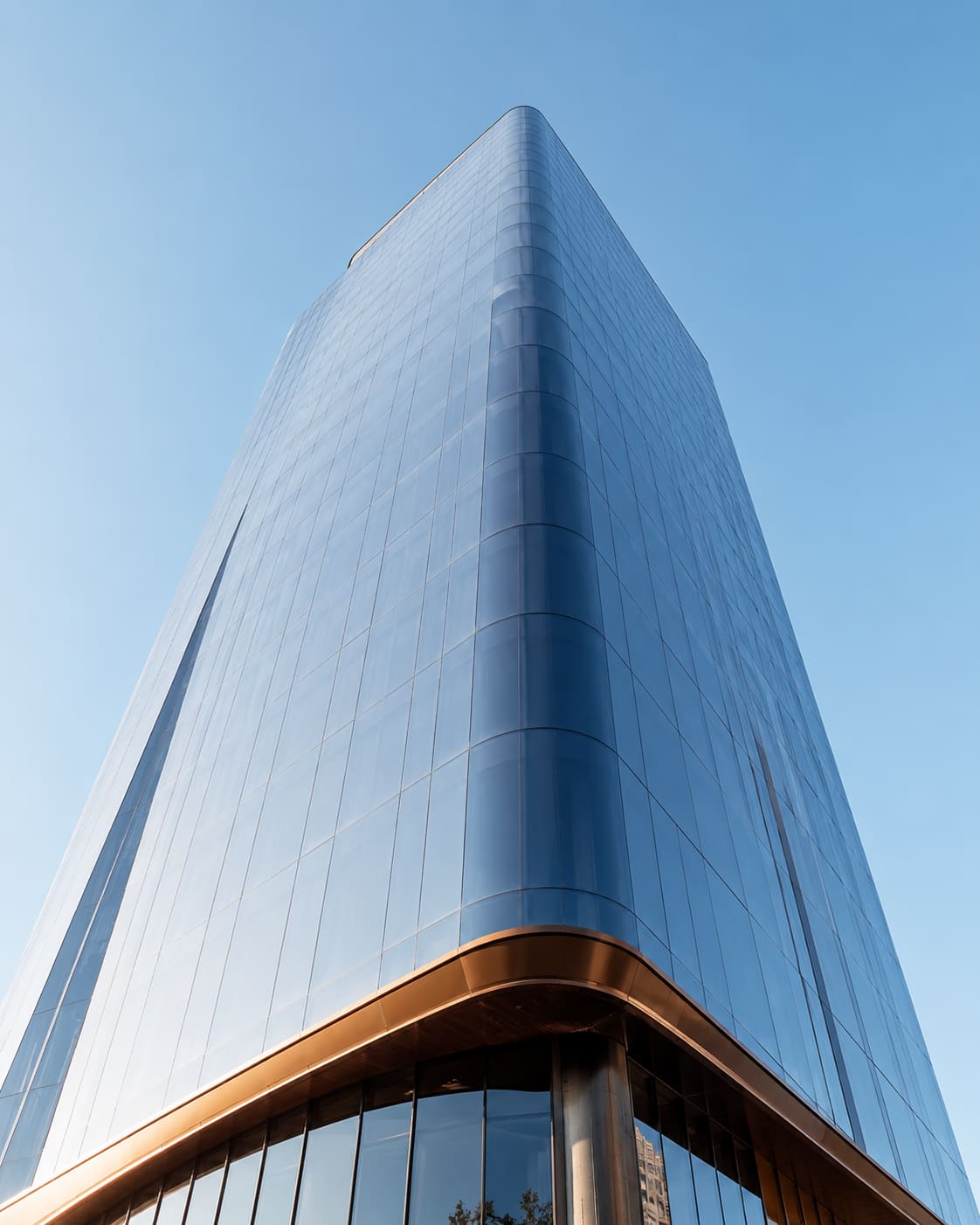
Structural glazing in Hyderabad typically costs between ₹200 and ₹850 per square foot in 2026, with most mid-market commercial facades landing in the ₹200–350 per sq ft band. The exact rate depends on the system you choose (stick, semi-unitized or unitized), the glass specification, the aluminium grade and finish, and the height and access complexity of the building. On that basis, a modest 2,000 sq ft showroom front works out to roughly ₹4–8 lakh, while a full commercial elevation runs into crores.
If you are planning a glass facade for an office, showroom or apartment tower in Gachibowli, Kokapet, Madhapur or the Financial District, cost is almost always the first question - and the honest answer is that "structural glazing" is not one product but a family of systems at very different price points. A phone estimate can be off by 40% because nobody has seen your building.
This guide breaks down realistic 2026 rates for Hyderabad, explains exactly what pushes the price up or down, and shows you how to budget so the quotation holds no surprises. We fabricate and install these systems across Telangana and Andhra Pradesh, so the numbers below reflect what actually gets built here - not generic all-India averages.
What is the structural glazing cost per square foot in Hyderabad?
As a working range for 2026, structural glazing in Hyderabad is quoted between ₹200 and ₹850 per sq ft. The largest cluster of real projects sits at ₹200–350 per sq ft for standard commercial elevations using single toughened glass on a stick or semi-unitized aluminium system.
The rate climbs toward ₹450–850 per sq ft when you specify double-glazed units (DGU), high-performance reflective coatings, thermally-broken aluminium, or a fully unitized glazing system for a tall tower. Spider and cable-net facades - the frameless, all-glass entrance look popular in tech-park lobbies - sit at the top of the range because of the hardware and engineering involved.
To translate that into project budgets:
- A 1,500 sq ft showroom or office front: roughly ₹3–6 lakh.
- A 5,000 sq ft mid-rise elevation: roughly ₹12–25 lakh.
- A 20,000+ sq ft commercial tower facade: ₹50 lakh to several crore, depending on system and glass.
These are supply-and-install figures inclusive of fabrication. If you only want fabricated frames supplied, the rate drops, but you take on the risk of site fit and weather-sealing yourself - rarely worth it on a facade.
What drives structural glazing prices up or down?
Five variables account for almost the entire spread between a ₹220 quote and an ₹800 quote. Understanding them lets you steer the budget instead of just reacting to it.
- System type: conventional stick glazing is the most economical because it is assembled panel-by-panel on site. Semi-unitized and fully unitized systems cost more per sq ft but install far faster and to a tighter, factory-controlled finish - often the right call on taller or time-sensitive projects.
- Glass: single toughened glass is the cheapest option. Laminated glass (for safety and acoustics) and DGU (for insulation) cost progressively more. Solar-control and reflective coatings add ₹40–120 per sq ft but cut air-conditioning load meaningfully in Hyderabad's climate.
- Aluminium and finish: powder-coated profiles are standard; anodised and PVDF finishes cost more and last longer. Thermal-break aluminium profiles add cost but reduce heat transfer and condensation.
- Height and access: a ground-floor showroom needs simple scaffolding; a 12-storey tower needs cradles, more wind engineering and safety provisioning, all of which load the installation rate.
- Design complexity: curves, spandrel panels, corner joints and integrated facade lighting each add fabrication and labour.
Structural glazing rates by system (2026)
Here is how the common systems compare on a per-sq-ft basis for Hyderabad projects. Treat these as planning bands, not fixed quotes - glass and finish choices move each one.
- Stick / conventional glazing: ₹200–320 per sq ft. Best value for low-to-mid-rise offices and showrooms.
- Semi-unitized glazing: ₹300–480 per sq ft. A balance of on-site flexibility and factory finish.
- Unitized glazing: ₹450–750 per sq ft. Premium finish, fastest install, ideal for high-rise curtain wall projects.
- Spider / bolt-fixed spider glazing: ₹550–900 per sq ft. Frameless glass look for lobbies and atriums.
- Cable-net / tension cable facade: ₹700 per sq ft and up. The most dramatic and engineering-heavy option.
For most Hyderabad commercial clients, the sweet spot is a semi-unitized system with solar-control glass - you get a clean, sealed, energy-aware facade without paying full unitized rates. If you are unsure which system suits your building, our facade consultancy team can specify it against your budget and elevation drawings.
How does Hyderabad's climate affect glass choice and cost?
Hyderabad throws three stresses at a facade: long stretches of intense summer heat, a heavy monsoon with wind-driven rain, and year-round dust. Each one has a cost implication you should budget for deliberately rather than discover later.
Heat is the big one. West- and south-facing elevations in areas like Kokapet, Financial District and Hitec City take severe solar gain. Plain glass turns those floors into ovens and pushes electricity bills up. Solar-control or reflective glass, or a DGU, costs more upfront but cuts cooling load enough that the premium typically pays back within a few years. This is the single most worthwhile place to spend extra.
Monsoon exposes weak sealing. The difference between a facade that stays dry and one that leaks at the third-floor joint is the quality of the structural silicone and the workmanship, not just the glass. This is exactly why cheap quotes are risky - the saving usually comes out of the sealant and labour, which you cannot see until it rains.
Dust affects maintenance, not structure. Textured or heavily-framed facades trap more grime; large flush glass panels clean more easily. If low upkeep matters, factor that into the system choice early.
What does a real Hyderabad facade budget look like?
Take a common example: a four-storey office building in Kondapur with a 6,000 sq ft street-facing elevation. A semi-unitized system with 8mm solar-control toughened glass and powder-coated aluminium might quote around ₹320 per sq ft, giving a facade budget near ₹19 lakh supply-and-install.
Upgrade the same elevation to DGU glass and anodised, thermally-broken profiles and you move toward ₹480 per sq ft - roughly ₹29 lakh - but you gain insulation, lower cooling bills and a longer-lasting finish. Downgrade to a basic stick system with single glass and you drop toward ₹230 per sq ft, near ₹14 lakh, at the cost of thermal performance.
The point is that the same wall can legitimately cost ₹14 lakh or ₹29 lakh depending on choices you control. A good fabricator will value-engineer these trade-offs with you rather than pushing the most expensive spec. You can see the range of elevations we have delivered across the city on our projects page, which helps set realistic expectations before you commit a budget.
How to budget realistically and avoid overpaying
Start by fixing two things: the facade area (in sq ft) and the look you want - flush all-glass, slim-framed, or a mixed cladding-and-glazing elevation. Those two decisions frame 80% of the cost before any quote is written.
Then follow these steps:
- Insist on a physical site survey before any number is committed. Reject phone estimates for anything above a small shopfront.
- Demand an itemised quotation that separates glass, aluminium, hardware, structural silicone, fabrication and installation. A lump sum hides where corners are being cut.
- Compare like-for-like: confirm glass thickness, coating, aluminium grade and silicone brand across every quote. A cheaper quote almost always thins one of these.
- Ask about warranty and post-installation service - a facade is a 15–25 year asset and the sealant work must be guaranteed.
- Build in a 5–10% contingency for site conditions that only reveal themselves once scaffolding is up.
When you are ready for accurate numbers on your building, get a free quote with your elevation drawings or even rough dimensions, and we will survey the site and return an itemised proposal.
Where can you save - and where you should not
Cost-cutting on a facade is fine in the right places and dangerous in the wrong ones. Knowing the difference protects both your budget and the building.
Safe savings: choosing a stick or semi-unitized system over unitized where the building height allows; using single toughened glass on shaded elevations while reserving DGU for the sun-hit faces; keeping the design geometry simple; and standardising panel sizes to reduce fabrication waste.
False economies: thin glass below the engineered thickness, generic non-structural silicone in place of certified structural sealant, unbranded hardware, and skipping the site survey. Every one of these shows up later as a leak, a rattle, a fogged pane or, in the worst case, a safety failure. On facades, the sealant and the glass spec are not the places to save.
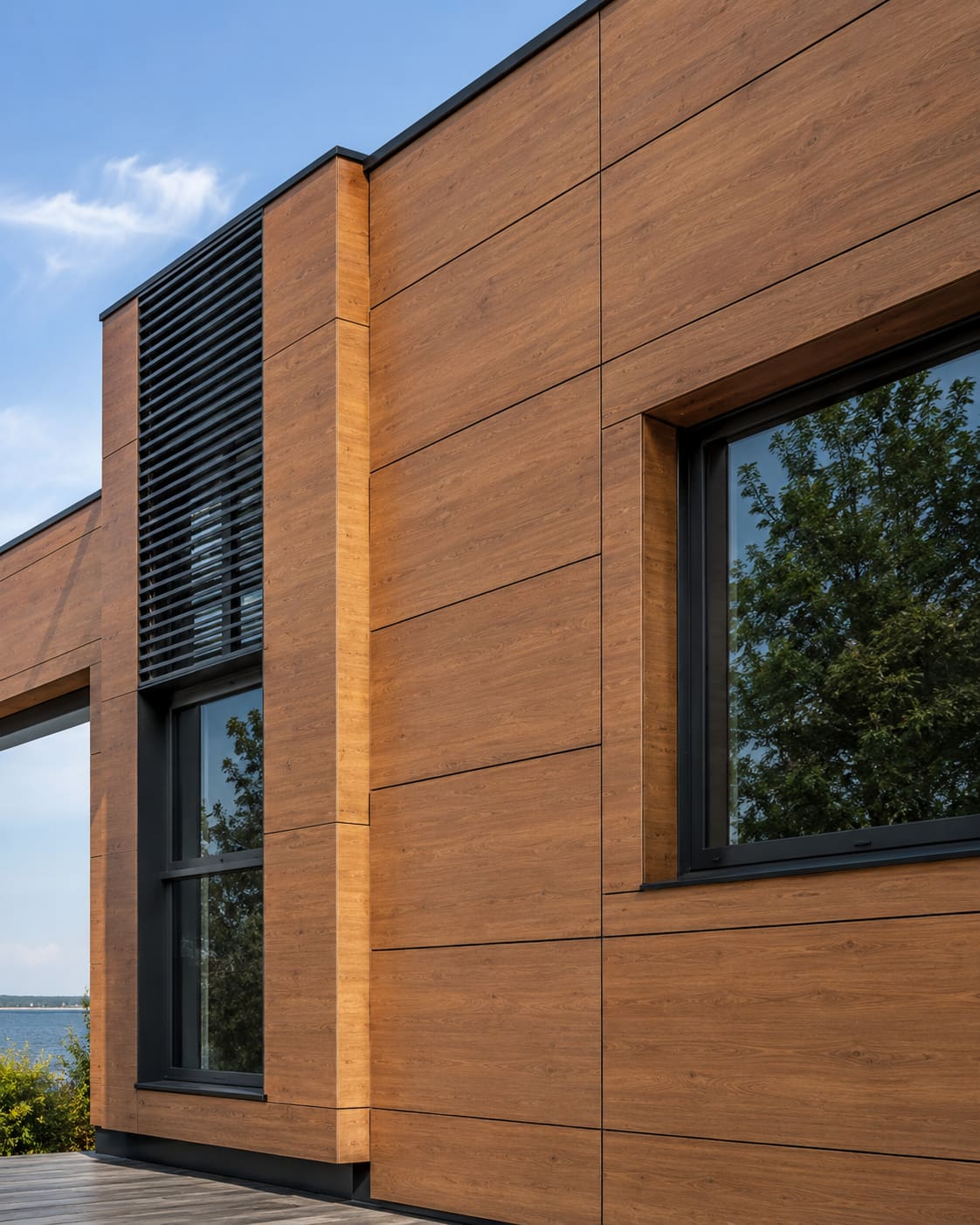
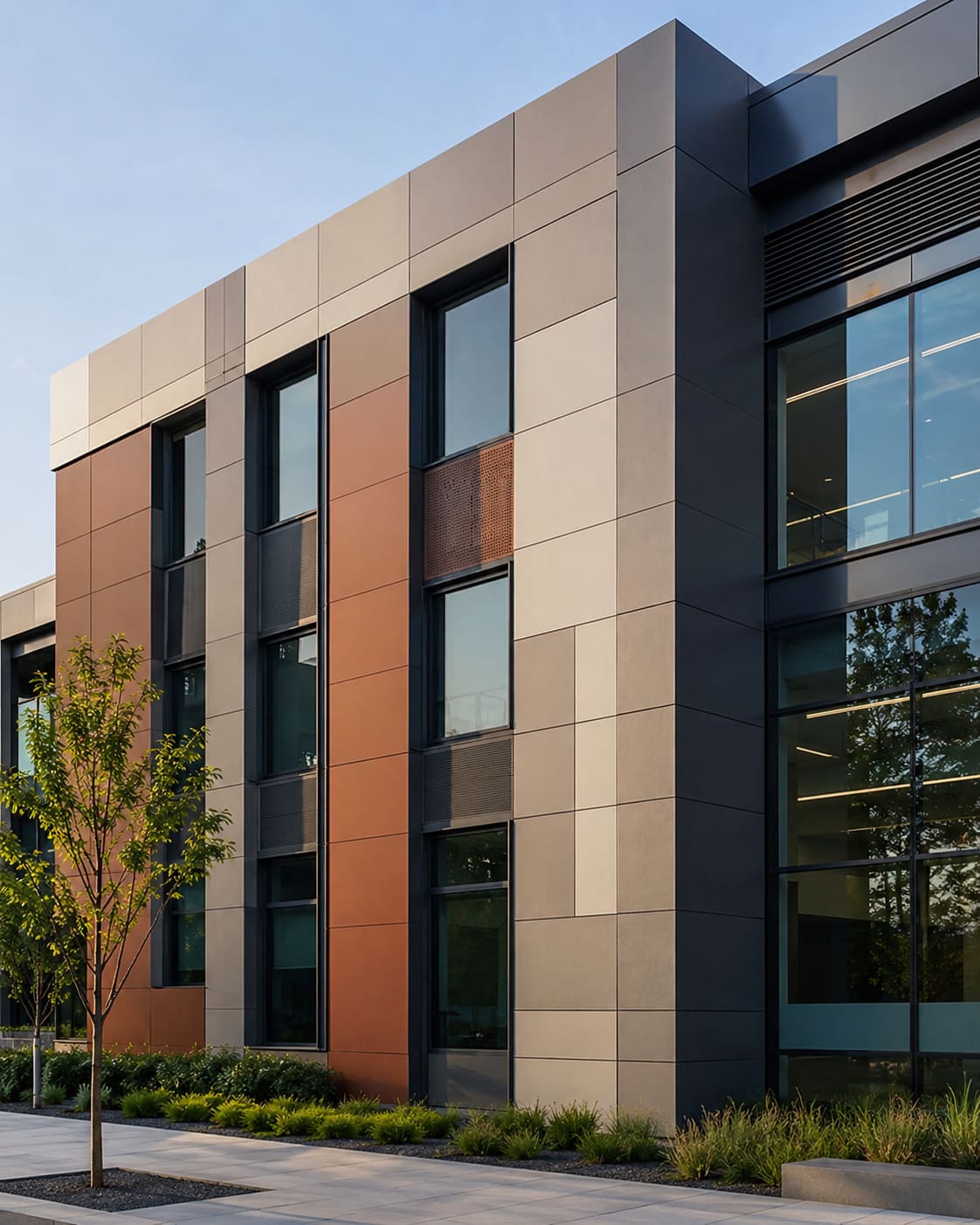
Beyond glazing, if your elevation combines glass with ACP cladding or HPL panels, mixing materials smartly can lower the overall cost per sq ft versus an all-glass wall while still delivering a premium look - a common approach on Madhapur and Gachibowli office buildings.
Why structural glazing costs more than ordinary windows
It helps to understand what you are actually paying for. A structural glazing facade is an engineered system, not a set of windows bolted to a wall. The price covers facade design and wind-load calculation, structural-grade silicone that bonds glass to frame, toughened or laminated or DGU glass, an aluminium framework sized for the loads, and certified installation tested for water and air-tightness.
That engineering is what keeps a multi-storey glass wall watertight in a monsoon and stable in high wind - something a standard aluminium window is never designed to do. When you compare a facade quote to a window quote, you are comparing two different levels of engineering, which is why the per-sq-ft numbers look so different.
It is also why the cheapest facade quote is rarely the best value. The engineering and sealing are invisible on day one and decisive over the next two decades.