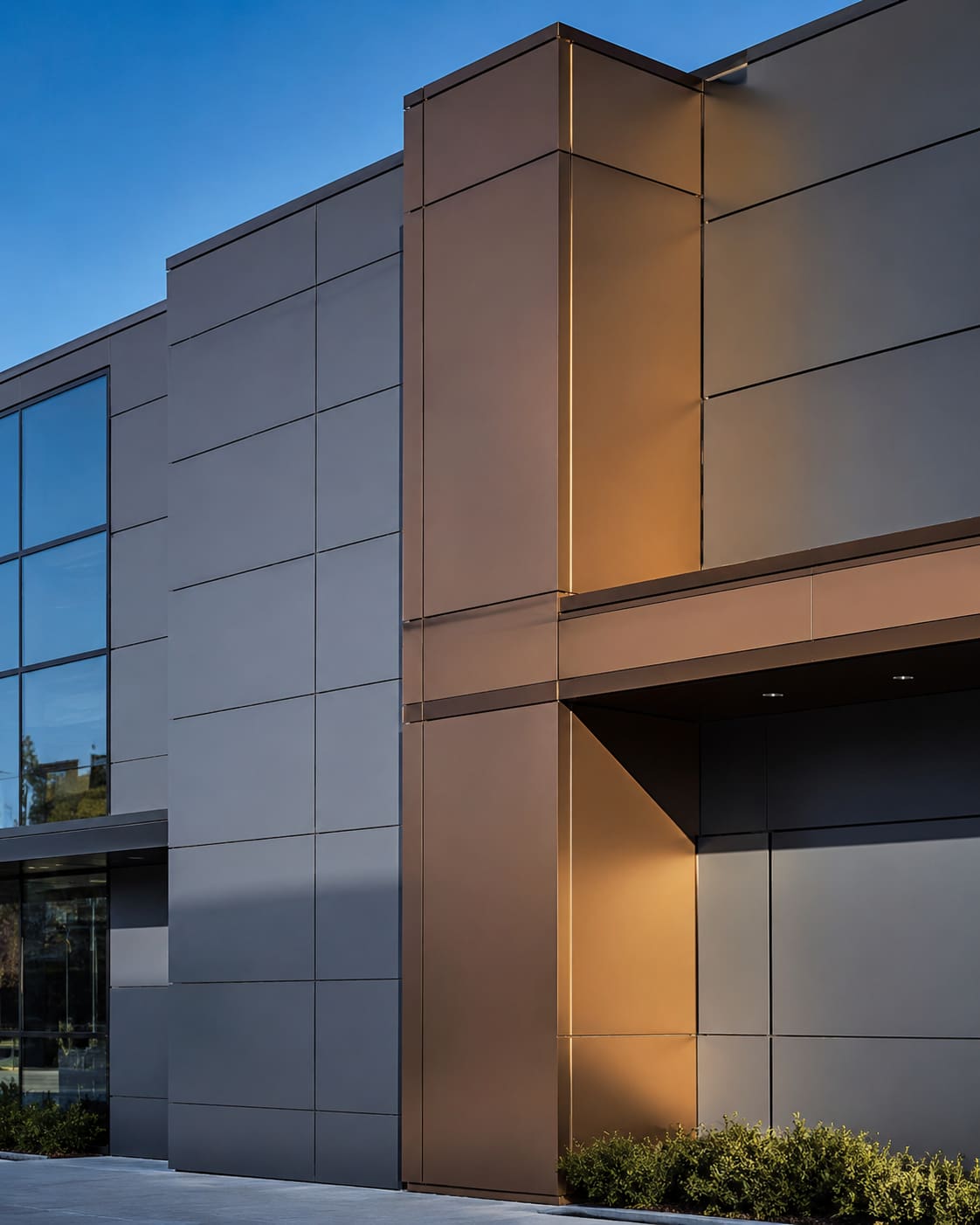
To maintain ACP cladding, wash the panels with a soft cloth and pH-neutral detergent at least twice a year, inspect and reseal the silicone joints annually, and repair scratches or loose panels as soon as you spot them. Done consistently, this simple routine keeps aluminium composite panel facades looking factory-fresh for 15 years or more, even in Hyderabad's punishing mix of construction dust, summer heat and monsoon rain.
Aluminium composite panel cladding gives commercial and residential buildings across Hyderabad a sharp, modern facade, but that finish only stays crisp with the right care. Knowing how to maintain ACP cladding is the difference between panels that stay pristine and a facade that dulls, streaks and lifts within a few monsoons. The good news is that ACP is one of the lowest-maintenance cladding materials available, and most of the work needs nothing more than water, a mild detergent and a scheduled reminder.
In Hyderabad and across Telangana and Andhra Pradesh, the real enemies are dust from traffic and construction, monsoon rain streaking, and the harsh summer sun that ages sealant. This guide walks through a complete care schedule, the products to avoid, joint and structural checks, stain removal, realistic INR costs, and when to call a professional ACP cladding team instead of tackling it yourself.
Why Does ACP Cladding Need Maintenance At All?
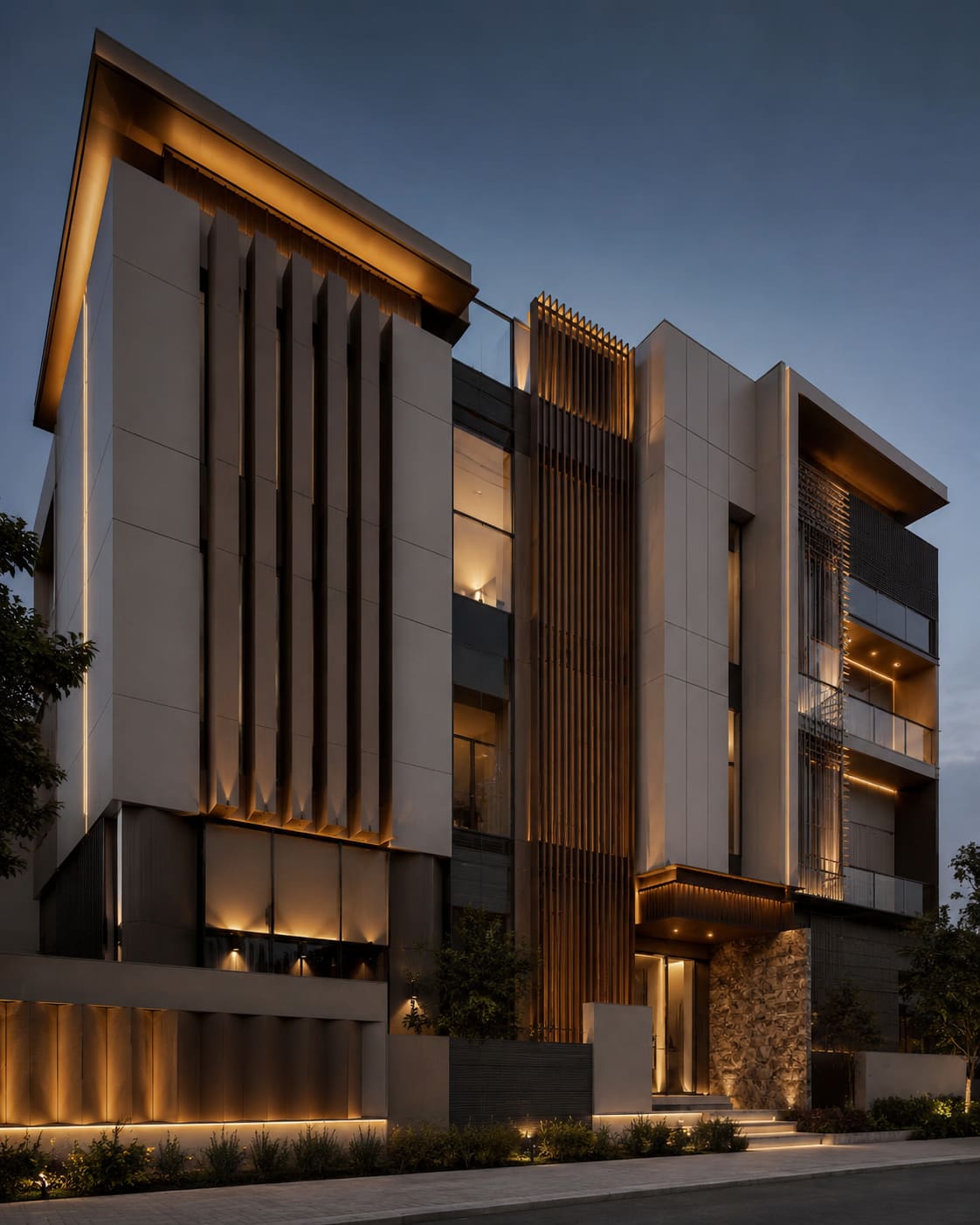
ACP panels are two thin aluminium sheets bonded to a polyethylene or fire-retardant mineral core, with a factory-baked PVDF or polyester paint coating on the face. That coating is engineered to shrug off UV, rain and pollution, which is exactly why ACP is so popular for facades and ACP elevation designs across the city. But the coating protects only the aluminium skin, not the joints, fasteners and framing that hold the system together.
In Hyderabad's climate three forces work against an untended facade. Fine cement and traffic dust settles into a grey film that mutes metallic and dark finishes. Monsoon rain then runs that dust into vertical streaks and tide-marks. And months of direct sun slowly hardens and cracks the silicone sealant that keeps water out of the cavity behind the panels.
None of this damages ACP overnight. The point of maintenance is to stop small, cheap-to-fix issues, a dusty panel or a hairline crack in a joint, from turning into expensive problems like corrosion, water ingress or warped panels. A facade cleaned and inspected on schedule easily outlasts one that is ignored until it looks tired.
Routine Cleaning: The Core of ACP Maintenance
Regular cleaning is the single most important thing you can do, and for most Hyderabad buildings a wash twice a year is enough. Facades on busy corridors like the Outer Ring Road, or towers near active construction in Kokapet, Financial District and the Gachibowli belt, may need quarterly attention because of heavier dust loads.
- Rinse the panels first with plain water to loosen surface dust and grit before you touch the surface.
- Wash with a soft microfibre cloth or sponge using a mild, pH-neutral detergent diluted in lukewarm water.
- Wipe in the direction of the panel, then rinse thoroughly with clean water so no soap film dries on the face.
- Dry with a clean soft cloth or a squeegee to prevent water spotting, which shows up most on darker and metallic finishes.
The order matters: rinsing first means you are never dragging hard grit across the coating, which is what causes fine swirl scratches over time. For ground-floor shopfronts and low elevations you can do this in-house; for anything above the first floor, rope-access or scaffold cleaning by a professional crew is safer and gives a more even result. Professional facade cleaning for mid-rise buildings in Hyderabad typically ranges from INR 12 to INR 30 per square foot depending on height, access and how heavily soiled the panels are.
What Should You Never Use on ACP Panels?
The PVDF or polyester coating on quality ACP is durable, but the wrong products and tools will permanently dull or scratch it, and coating damage is not something a wash can reverse.
- Never use abrasive pads, steel wool, scouring powders or hard-bristle brushes that scratch the coating.
- Avoid strong solvents such as acetone, thinner, petrol or ketone-based cleaners, which attack and soften the paint film.
- Do not use high-pressure jet washers above 40 to 50 bar; excess pressure forces water behind panels and damages sealed joints.
- Skip strongly acidic or alkaline cleaners, and always test any new cleaner on a small hidden corner first.
- Never clean panels in the middle of a hot afternoon, because detergent that dries before you rinse leaves streaks that are hard to remove.
If you are unsure whether a product is safe, the rule of thumb is simple: if it is strong enough to strip paint, degrease an engine or etch metal, it is too strong for ACP. Mild dish soap in warm water handles the vast majority of everyday soiling.
Sealant, Joints and Structural Checks
ACP performance depends heavily on the structural silicone sealant and the aluminium framing behind the panels, and this is the part most owners forget. In Telangana's climate, UV exposure and constant thermal expansion and contraction slowly age the sealant joints between panels.
- Inspect sealant lines once a year for cracks, gaps or blackening; failed joints let water enter and cause staining, streaking or corrosion.
- Check for any loose, bulging or vibrating panels, which point to fixing or fastener issues that need prompt professional attention.
- Look at the bottom edges and corners after the monsoon, where water tends to pool and where failures usually appear first.
Resealing joints usually costs around INR 25 to INR 60 per running foot in Hyderabad, a small expense compared with the cost of repairing water damage or replacing a corroded frame. If your building also has glazed sections, it makes sense to have the same crew review the facade and structural glazing joints on the same visit, since the sealant on both ages at a similar rate. Addressing minor issues early is far cheaper than replacing warped panels or drying out a wet cavity later.
How Do You Remove Stains and Fix Scratches?
Different marks call for different treatment, and quick action almost always prevents lasting damage.
- Bird droppings, tree sap and oily marks should be removed promptly with mild detergent before their acids etch the coating.
- Stubborn adhesive residue, sticker glue or paint spots can be softened with a little isopropyl alcohol on a soft cloth, never harsh thinner.
- Hard water spots and mild efflorescence usually lift with a very dilute vinegar solution, followed immediately by a clean-water rinse.
- Light scratches on the coating can sometimes be disguised with a colour-matched touch-up pen; deep gouges that expose the aluminium mean panel replacement.
Replacing a single damaged ACP panel typically costs between INR 180 and INR 450 per square foot for material plus fixing, depending on the brand and finish. This is exactly why we tell every client to keep a few spare panels from the original batch: colour and finish batches vary slightly, and a stored spare guarantees a seamless match years later. For a graffiti-hit or accident-damaged elevation, our team can colour-match and swap individual panels rather than reclad the whole face, which you can see in our completed projects.
A Season-by-Season Maintenance Schedule for Hyderabad
Hyderabad's weather has a clear rhythm, and the smartest maintenance calendars work with it rather than against it. Tying your washes to the monsoon bookends catches dust and streaking at exactly the right moments.
- Pre-monsoon (May to June): give the facade a full wash and, crucially, inspect and top up sealant joints so the building is watertight before the heavy rain arrives.
- Monsoon (July to September): do a quick visual check for streaking, blocked drainage paths and any panel that starts to vibrate or bulge in high winds.
- Post-monsoon (October): wash off rain tide-marks and mineral deposits, and check the lower panels and corners where water pooled.
- Summer (March to May): a light dust rinse on exposed elevations keeps metallic and dark finishes from looking chalky under strong sun.
Buildings in dust-heavy micro-locations, near the Metro construction, arterial roads, or new tower sites in Kondapur and Madhapur, should add an extra rinse between these milestones. Set calendar reminders so cleaning does not slip; ACP that is washed on schedule almost never needs the deep, expensive restoration that a neglected facade eventually demands.
DIY or Professional: What Can You Handle Yourself?
The honest answer depends on height and access. Ground-floor cladding, showroom fronts and boundary-wall panels are well within reach of an in-house facilities team armed with buckets, microfibre cloths and mild detergent. Above the first floor, the economics and safety change quickly.
- DIY-friendly: low elevations, canopies, signage surrounds, spot-cleaning bird droppings or stickers, and routine dust rinsing you can reach safely from the ground.
- Call a professional: any work needing rope access or scaffolding, sealant resealing, panel replacement, and diagnosing loose or water-stained panels.
Professional crews bring the right cleaning agents, fall-protection gear and the experience to spot early sealant failure that an untrained eye misses. For multi-storey commercial towers in Hitec City or the Financial District, an annual maintenance contract usually works out cheaper than reactive fixes and keeps the warranty on your original installation intact. If you are planning a new facade or a full re-clad, our cladding and elevation team can also specify finishes and fixing systems that are easier to maintain from day one, and you can get a free quote for either cleaning or installation.
When Is It Time to Repair or Re-clad Instead of Clean?
Cleaning solves the vast majority of facade complaints, but there is a point where maintenance alone will not restore the look, and pushing on wastes money. Watch for these signals that the system, not just the surface, needs attention.
- Chalking or fading that does not improve after a proper wash, which means the coating itself has degraded, common on very old or low-grade panels.
- Multiple panels loosening or oil-canning (visible waviness), which points to fixing or thermal-movement problems in the framing.
- Persistent water stains bleeding from behind the panels, a sign of a failed cavity or drainage rather than surface dirt.
- De-lamination, where the aluminium skin begins separating from the core, usually at the edges.
If several of these appear together on an older building, a targeted re-clad, or an upgrade to a more robust option like HPL cladding or a fireproof ACP with a fire-retardant core, is often the better long-term investment. A quick facade audit will tell you whether you are looking at a weekend clean or a capital project, and it is worth getting that assessment before another monsoon.