To reduce heat from a glass facade in Hyderabad, cut the amount of solar radiation the glass lets through by upgrading to solar-control or low-E glass, retrofitting a heat-rejection film, adding external shading, or converting single glazing to a double-glazed unit (DGU). The most cost-effective quick fix for existing buildings in HITEC City, Gachibowli or Banjara Hills is a good solar-control film, which can block 60-80% of solar heat for roughly Rs. 90-350 per sq ft, while new or premium projects benefit most from low-E DGU glazing on a properly engineered glass facade.
Hyderabad's climate makes this urgent. Peak summer temperatures from March to May regularly touch 40-43 degrees C, west and south-west facades take brutal afternoon sun, and dust plus monsoon humidity add extra load on interiors and air-conditioning. The right combination of glass, film and shading can drop indoor temperatures by 4-8 degrees C and cut cooling bills by 15-30%, which matters for both offices in the Financial District and homes in Jubilee Hills or Kondapur.
This guide walks through why facades overheat here, the five most effective heat-reduction methods ranked by cost, how to choose between a retrofit and a replacement, the exact SHGC and VLT numbers to demand from any vendor, and the maintenance habits that keep a facade cool through Telangana's harsh summers. Whether you manage a curtain-wall tower or own a glass-fronted villa, the specifics below will help you spend money where it actually lowers temperature.
Why do glass facades overheat in Hyderabad?
Glass facades overheat because ordinary clear or tinted float glass allows a high fraction of the sun's heat, measured as its Solar Heat Gain Coefficient (SHGC), straight into the building, and Hyderabad's long, dry, high-sun summers push that gain to the extreme. A plain 6mm clear glass has an SHGC of around 0.82, meaning 82% of solar heat passes through. Tinted glass helps only marginally because it absorbs heat and then re-radiates much of it inward.
Several local factors make it worse in the twin cities:
- Orientation: west and south-west facing facades in HITEC City, Madhapur and Kokapet get the harshest 2 pm-6 pm sun, exactly when outdoor temperatures also peak.
- Large glazed areas: curtain-wall and structural-glazing towers in the Financial District expose big uninterrupted surfaces with little self-shading.
- Dust and grime: Hyderabad's dust settles on glass and reduces reflective coating performance if the facade is not cleaned each season.
- Heat-island effect: dense concrete zones like Kukatpally and Ameerpet re-radiate heat onto nearby facades well into the evening.
- Single glazing: most buildings older than a decade use single 6-12mm glass with no insulating air gap, so heat crosses freely.
Understanding which of these apply to your building tells you where to spend. A west-facing single-glazed office in Gachibowli has a very different problem from a north-facing residential facade in Kondapur, and the fix should reflect that.
What are the 5 proven ways to cut facade heat?
The five most effective methods, in rising order of cost, are solar-control film, external shading, internal blinds, low-E glass replacement, and full double-glazed (DGU) conversion. Choose based on whether you are retrofitting an existing facade or specifying a new one, and on how much of the heat you need to stop.
- Solar-control / heat-rejection film: Rs. 90-350 per sq ft installed; blocks 60-80% of solar heat and 99% of UV; the best quick retrofit for offices in Gachibowli and shops in Banjara Hills because it needs no dismantling.
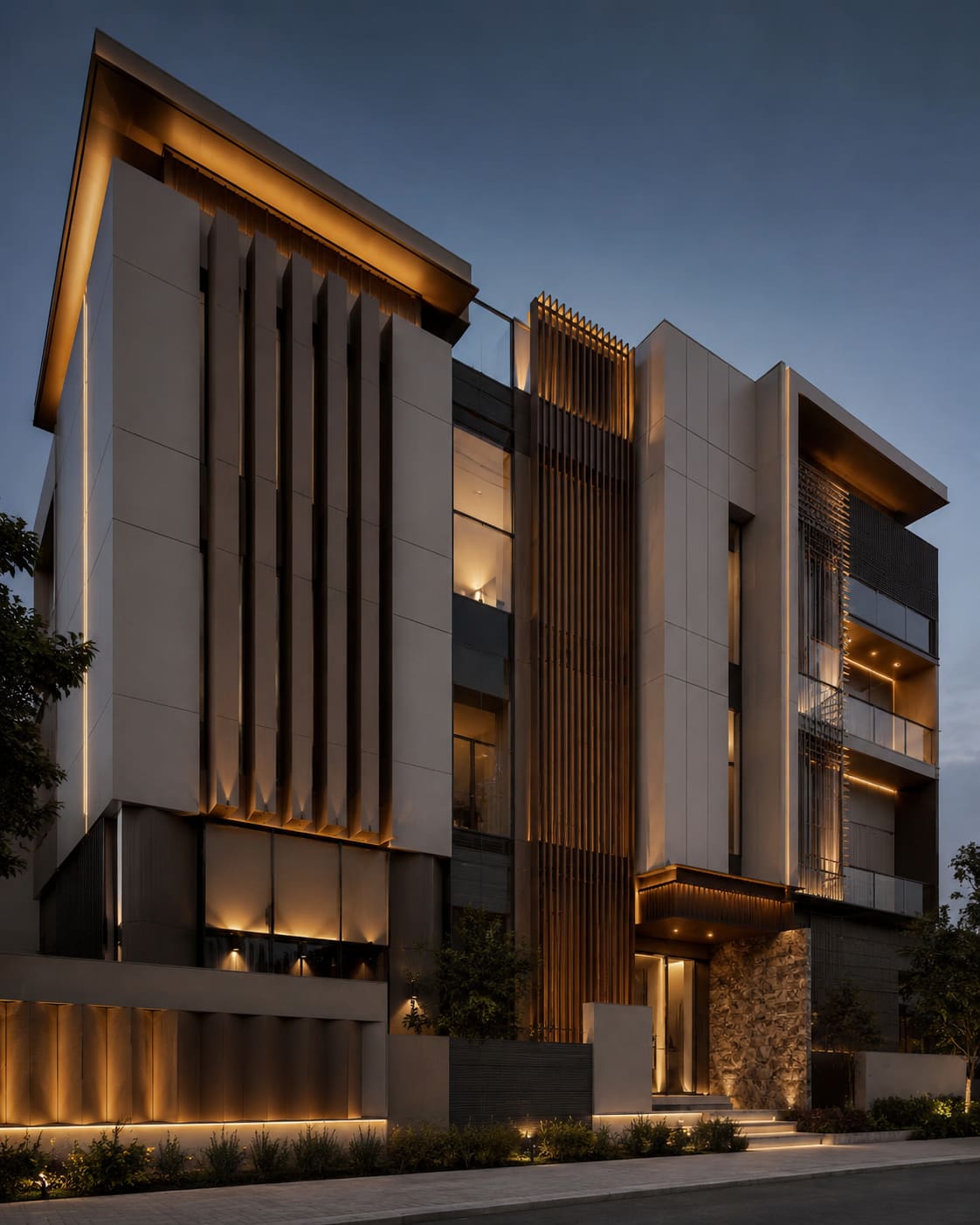
- External shading (fins, louvres, overhangs): Rs. 400-1,200 per sq ft of shading; stops heat before it hits the glass and works exceptionally well on west facades. Integrated aluminium louvers also double as a design feature.
- Internal blinds or honeycomb shades: Rs. 150-600 per sq ft; the lowest impact on heat because the sun has already crossed the glass, but they cut glare and improve comfort near desks.
- Low-E (low-emissivity) glass replacement: Rs. 350-800 per sq ft supplied and fixed; SHGC as low as 0.25-0.35 for new single-glazed facades, with a neutral clear look that suits front elevation glazing.
- Double-glazed unit (DGU) with low-E coating: Rs. 700-1,400 per sq ft; the best insulation, cutting heat and noise together, ideal for AC-heavy towers using DGU facade systems in the Financial District and Kokapet.
As a rule of thumb, film gives you the most heat reduction per rupee, external shading gives the best absolute performance on a west wall, and low-E DGU gives the best all-round result when you are already investing in new glazing.
Solar-control film: the fastest, cheapest retrofit
Solar-control film is the single most practical option for occupied buildings in Hyderabad because it installs from inside over a weekend, needs no scaffolding or facade removal, and delivers 60-80% heat rejection immediately. For a tenant in a Madhapur IT park or a showroom owner on Road No. 36 Jubilee Hills, it turns an unbearable afternoon-facing room into a usable one without touching the building envelope.
There are three broad film grades to know:
- Dyed / basic tinted film: cheapest at Rs. 90-150 per sq ft, darkens the glass, blocks glare and some heat, but fades over a few years.
- Metallised reflective film: Rs. 150-250 per sq ft, strong heat rejection with a mirror-like exterior look; good for privacy but check building bylaws on reflectivity.
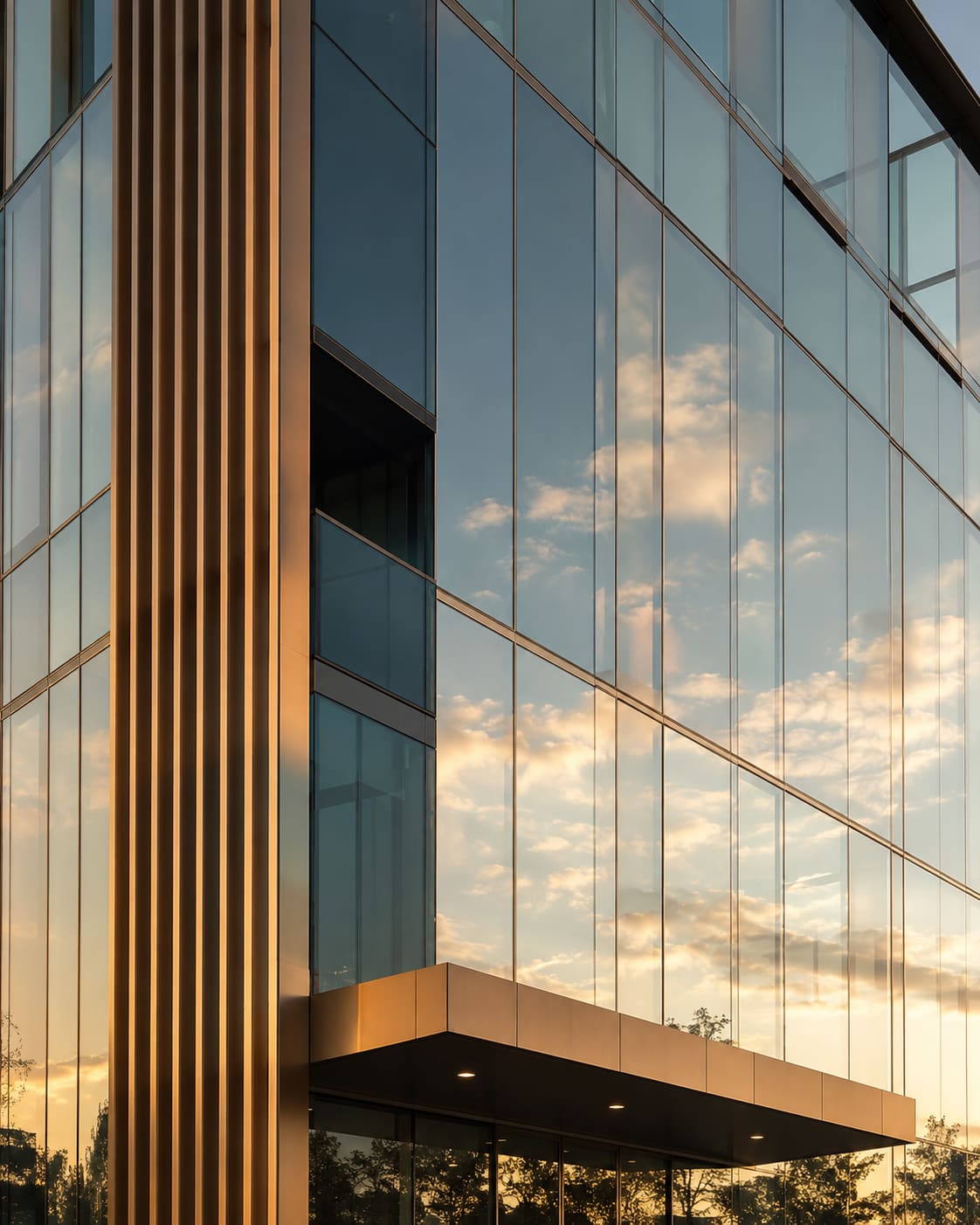
- Spectrally-selective / ceramic film: Rs. 250-350 per sq ft, rejects 70-80% of heat while staying clear, so the facade keeps its transparent architectural look. This is the right choice for premium reflective glass facade upgrades where appearance matters.
Insist on the film's Total Solar Energy Rejected (TSER) figure and its VLT. A film that rejects a lot of heat but drops light transmission below 20% may leave interiors gloomy, forcing you to switch on lights and defeating part of the saving.
If you are unsure which grade suits your elevation, a quick facade consultancy visit will match film specs to your orientation and glass type before you commit.
Retrofit or replace: which should you choose?
Choose a retrofit film if your existing glass is structurally sound and you want fast, low-cost heat reduction; choose glass replacement or DGU conversion if the glazing is old, sealed units have failed, or you are renovating anyway. For most occupied buildings in Hyderabad, film is the practical first step because it needs no facade dismantling and can be installed over a weekend.
Go with film when: you rent or lease, budget is tight, or the facade faces east/west and needs immediate relief.
Go with low-E or DGU when: you are building new, the glass is single-glazed and 10+ years old, or you want to combine heat, noise and condensation control for a premium property in Jubilee Hills or Kokapet.
- Tip: always ask for the film's or glass's SHGC and Visible Light Transmission (VLT) numbers in writing, not just a brand name.
- Tip: for structural-glazing towers, use spectrally-selective film that rejects heat while keeping the facade looking clear.
- Tip: if only one or two elevations overheat, treat those first rather than the whole building; a west-only film job can solve 80% of the discomfort at 30% of the cost.
A hybrid approach often wins: film the worst west and south-west elevations now for instant relief, and plan a low-E DGU upgrade for those same faces at the next renovation cycle.
How does external shading help west-facing facades?
External shading is the only method that stops solar heat before it ever reaches the glass, which makes it uniquely powerful on the west and south-west elevations that punish Hyderabad buildings from 2 pm to 6 pm. Because the heat is intercepted outside, even ordinary glass behind a well-designed shade stays far cooler than premium glass with no shading at all.
Common shading options for the twin cities include:
- Horizontal overhangs and fins: block high summer sun while allowing lower winter light, ideal above shopfronts and windows.
- Vertical aluminium fins: excellent for west facades where the sun comes in low and sideways during late afternoon.
- Adjustable or fixed louvre screens: facade louvers that shade the glass and add a strong architectural rhythm to elevations in Kokapet and the Financial District.
- Perforated or expanded metal screens: a perforated metal facade filters direct sun while keeping some outward view and airflow.
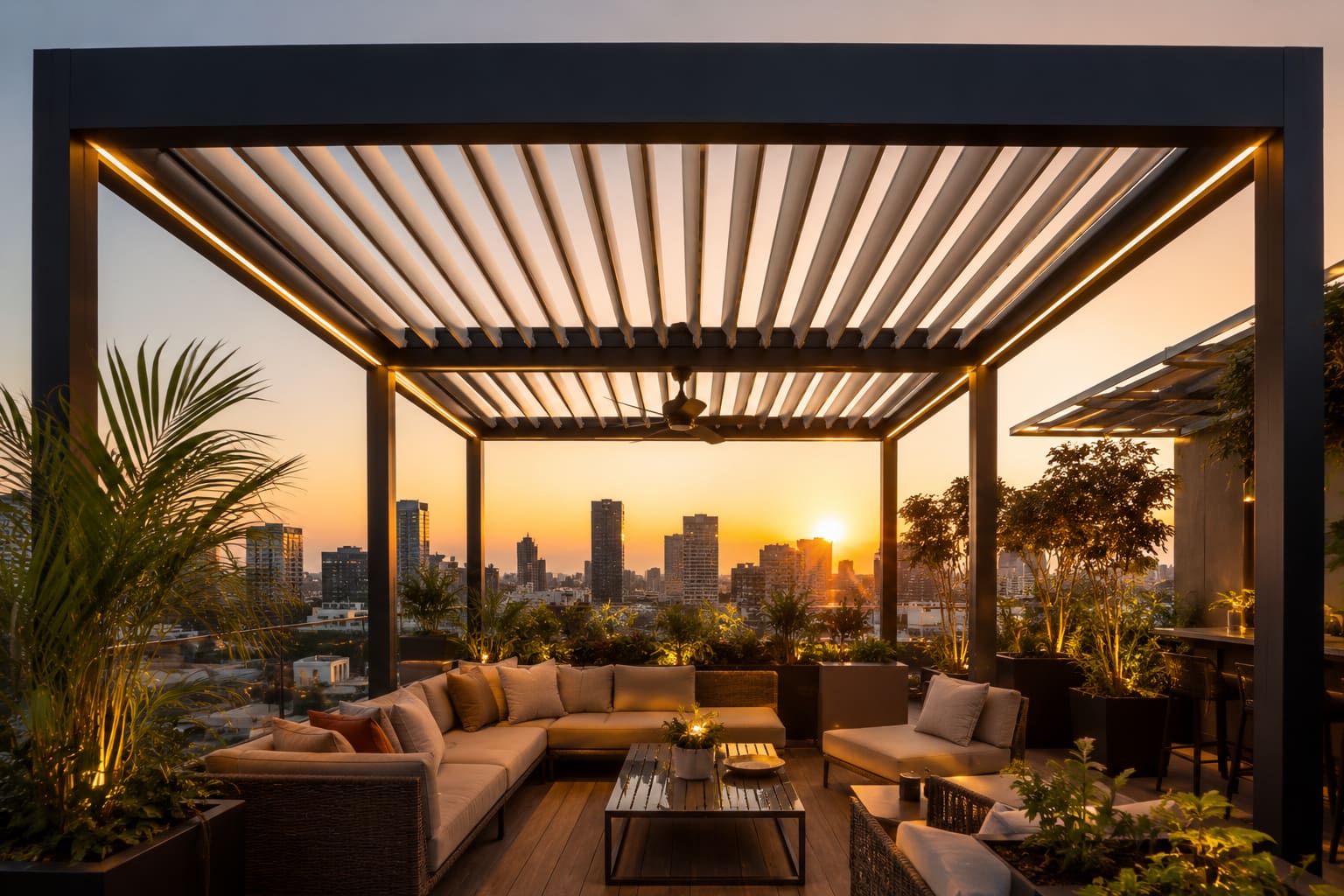
- Deep balconies and pergolas: on residences, a glass roof pergola or generous balcony naturally shades the storey below.
Shading does cost more per square foot than film, but it also becomes part of the building's identity and needs almost no maintenance. On a genuinely west-facing glass wall, a fin or louvre system plus modest film usually beats spending the same money on the most expensive glass alone.
What do the SHGC, VLT and U-value numbers mean?
Three numbers decide how a facade performs, and knowing them protects you from being sold a brand name instead of real performance. Ask every vendor to put these in writing on the quotation.
- SHGC (Solar Heat Gain Coefficient): the fraction of solar heat that passes through, from 0 to 1. Lower is cooler. Aim for 0.25-0.40 on hot Hyderabad elevations; plain clear glass sits near 0.82.
- VLT (Visible Light Transmission): the percentage of daylight let through. Too low and interiors feel dark, forcing artificial lighting. A balanced facade often lands around 30-50% VLT.
- U-value: how much heat conducts through the glass by temperature difference. It matters most for air-conditioned DGU facades; lower means better insulation.
The ideal glass has a low SHGC with a relatively high VLT, sometimes expressed as a high Light-to-Solar-Gain (LSG) ratio. That combination keeps rooms cool and bright at once, which is exactly what a well-specified low-E product delivers.
For an air-conditioned tower, prioritise low SHGC and low U-value. For a naturally lit showroom or showroom glazing frontage, protect VLT so the display stays bright while still rejecting heat. If you want an independent read on which numbers suit your building, get a free quote and we will size the glass and film to your orientation.
Local maintenance and quick wins
Beyond glass and film, a few low-cost habits keep a Hyderabad facade cooler and protect its coatings. Clean the glass at the start of summer and after the monsoon to remove dust that degrades reflective performance and shades interiors unevenly.
- Clean west and south facades before March and again in October (post-monsoon) using pH-neutral cleaner, never abrasive pads that scratch coatings.
- Add landscaping or a green buffer near ground-floor glass in villas at Kondapur and Tellapur to reduce reflected ground heat.
- Seal gaps in curtain-wall gaskets to stop hot-air infiltration and dust ingress, which also protects the system's air-tightness.
- Use light-coloured internal furnishings and blinds near glass to reduce re-radiated heat inside the room.
- Schedule an annual facade inspection to catch failed DGU seals (fogging between panes) early, since a fogged unit loses much of its insulating value.
None of these replace proper glass or film, but together they preserve the performance you paid for and stop a good facade from quietly degrading over a couple of harsh Telangana summers. Pairing seasonal cleaning with the right glass specification is what separates a facade that stays comfortable for a decade from one that bakes its occupants within two years.