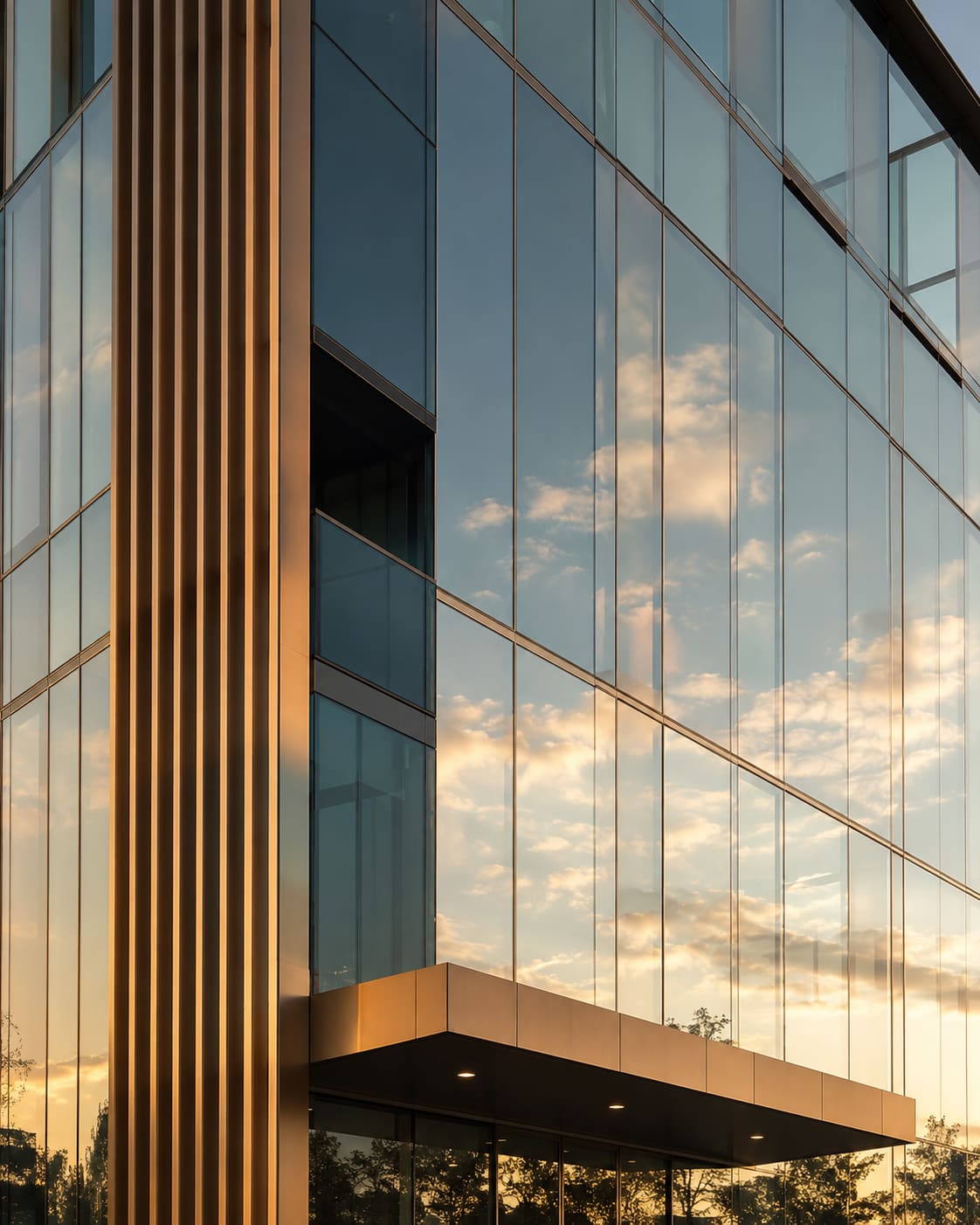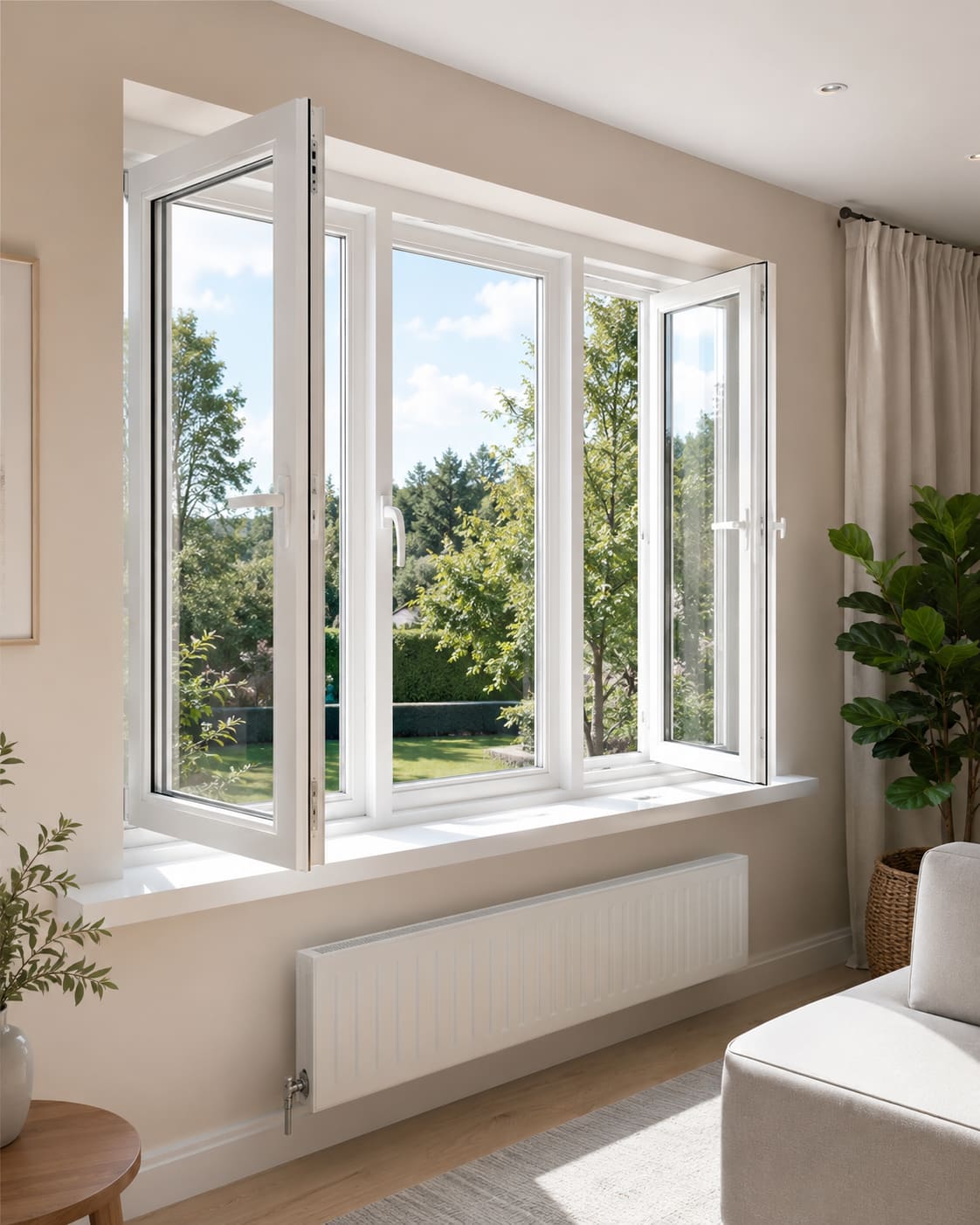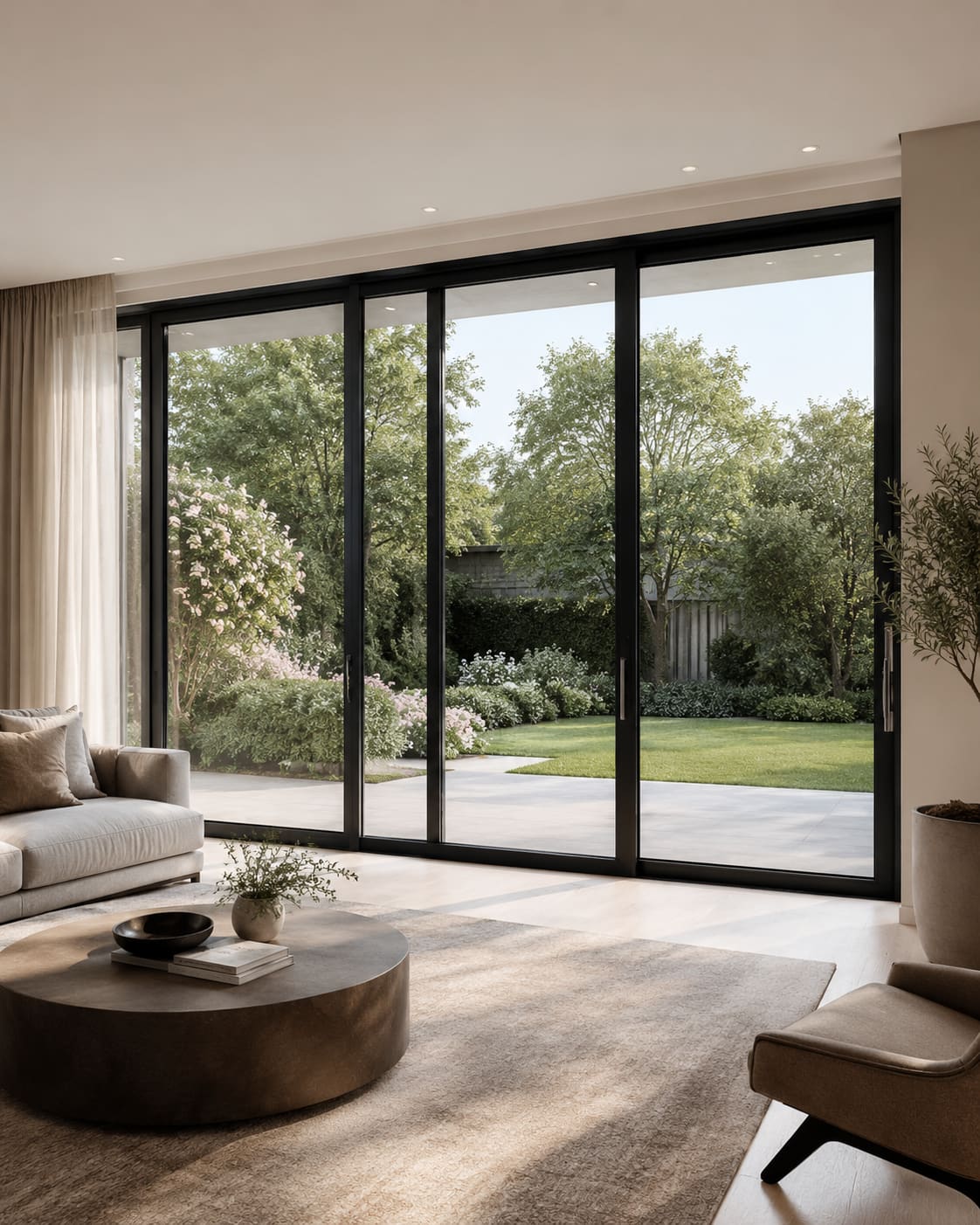
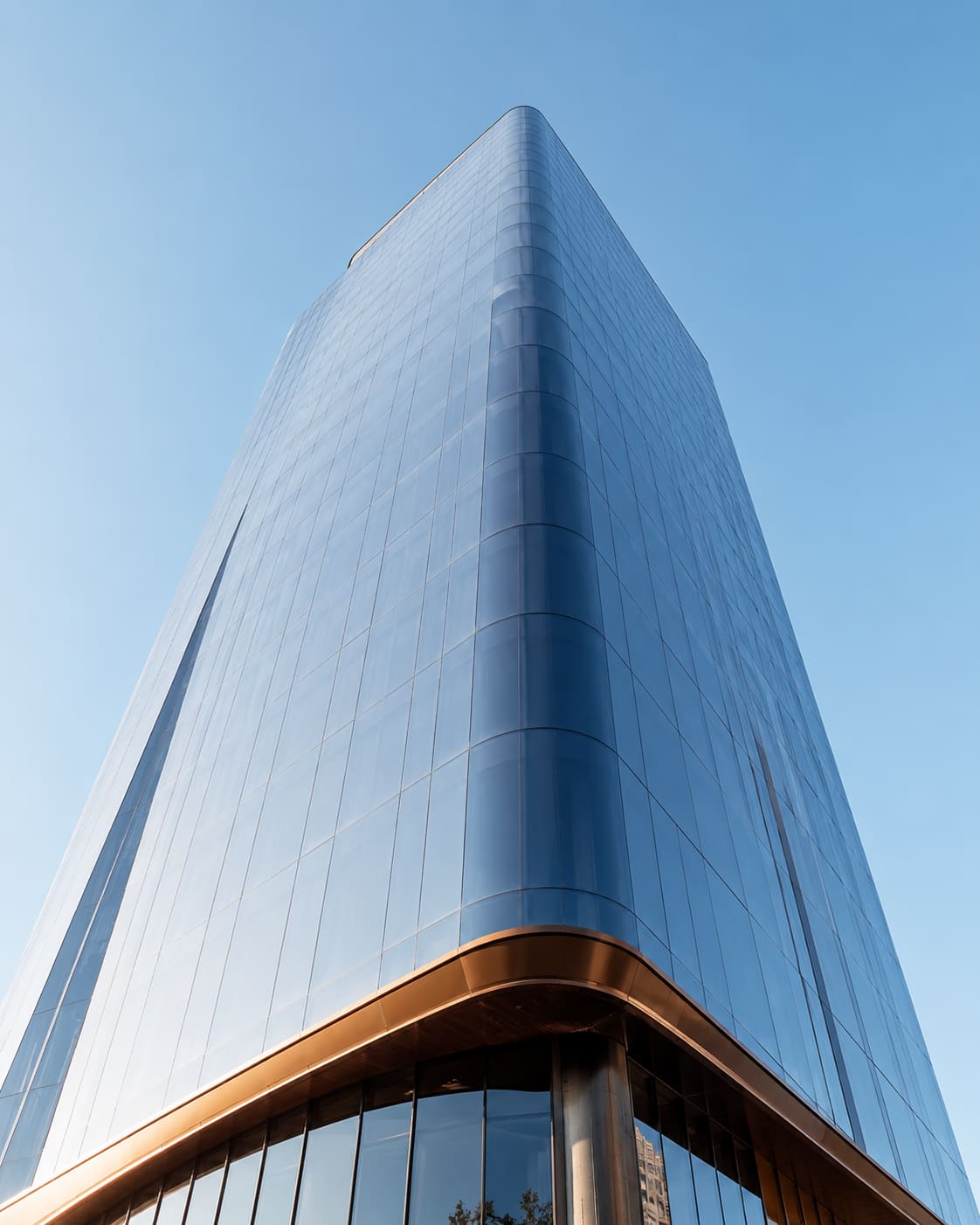
Structural glazing in HITEC City is a facade system where glass panels are bonded to an aluminium frame using high-strength structural silicone, creating the flush, frameless glass exterior seen on almost every IT tower around Madhapur, Gachibowli and the Financial District. In Hyderabad, installed rates typically run from Rs 850 to Rs 1,800 per sq ft depending on the glass specification, wind-load design and floor height, with double-glazed high-performance units at the upper end. If you want a single number to plan a budget, most mid-spec office facades in the tech corridor land near Rs 1,300 to Rs 1,500 per sq ft supplied and fitted.
For HITEC City's high-rise offices, structural glazing is popular because it maximises daylight, cuts heat gain from the harsh Deccan summer, and gives a premium corporate look that suits Cyber Towers, Mindspace and the wider tech corridor. Whether you are cladding a new tower in Kokapet or reskinning an ageing elevation in Kondapur, the same engineering principles apply, and getting the glass, silicone and wind-load design right is what separates a facade that lasts 25 years from one that leaks in its second monsoon.
This guide covers how the system works, the glass options, real twin-city pricing for 2026, project timelines, how the facade copes with Hyderabad's monsoon and dust, and exactly how to choose a reliable facade and structural glazing contractor. If you would rather skip to numbers for your building, you can get a free quote with a measured estimate.
How does structural glazing work, and why does HITEC City use it?
Structural glazing holds glass to the building using structural silicone sealant rather than visible clamps or beads, so the facade reads as an unbroken glass skin. The silicone bead transfers wind load from the glass into the aluminium framing and then into the building structure, which is why the sealant grade and joint size are engineered, not guessed. This flush appearance suits HITEC City's IT parks because it delivers large clear spans, better natural light and a modern corporate identity that anchor tenants expect.
The main systems used across Hyderabad are:
- Four-side structural glazing: glass bonded on all edges for a fully flush look, common on premium towers in Gachibowli and the Financial District.
- Two-side structural glazing: two edges bonded and two mechanically captured, a cost-effective option for mid-rise offices in Kondapur and Kukatpally.
- Semi-unitised and unitised systems: factory-assembled panels for faster, safer installation on tall buildings near Nanakramguda and Kokapet.
Structural glazing sits within the wider family of curtain wall glazing, and for taller towers a unitized curtain wall is often the safest choice because panels are built and quality-checked indoors before they ever reach site. For any building above four floors, insist on a wind-load and deflection calculation, because Hyderabad's design wind speed is around 44 m/s under IS 875.
What does structural glazing cost in Hyderabad in 2026?
Expect to pay between Rs 850 and Rs 1,800 per sq ft for supplied-and-installed structural glazing in the twin cities, with the glass type being the single biggest price driver. These are realistic 2026 rates for Hyderabad and Secunderabad projects, based on 6063-T6 aluminium, branded structural silicone and standard floor heights.
- Single-glazed reflective or tinted glass (basic offices, showrooms): Rs 850 to Rs 1,100 per sq ft.
- Double-glazed unit (DGU) with high-performance coating: Rs 1,250 to Rs 1,600 per sq ft.
- DGU with Low-E plus toughened and laminated glass (premium IT towers): Rs 1,600 to Rs 1,800 per sq ft.
Add roughly 8 to 15 percent for spider glazing, curved facades or heights above 15 floors, because of scaffolding, cranage and working-at-height safety costs. A typical 5,000 sq ft showroom facade in Banjara Hills therefore lands around Rs 42 to 80 lakh depending on spec, while a full glass facade on a mid-size Gachibowli office block can run well into the crores. Always compare quotes on the same glass make and thickness, since a cheaper rate often hides thinner glass or an unbranded sealant.
Which glass is best for Gachibowli and Financial District offices?
Low-E double-glazed units are the best all-round choice for offices in Gachibowli and the Financial District because they cut solar heat gain while keeping interiors bright and reducing glare on screens. The two glass panes trap an insulating air or argon gap, and a microscopic Low-E coating reflects infra-red heat back outside, which is exactly what you want facing the west sun off the Outer Ring Road.
- Aim for a Solar Heat Gain Coefficient (SHGC) of 0.25 to 0.35 to balance daylight against cooling load.
- Choose a visible light transmission of around 40 to 60 percent so the office stays naturally lit without a dark, tinted feel.
- Use toughened glass for spandrel zones and laminated glass at vision panels for safety at height.
- Consider a reflective glass facade where privacy and a mirror-clean corporate look matter, or spandrel glazing to hide floor slabs and services.
For very tall or exposed elevations, a proper DGU facade pays for itself within a few years through lower air-conditioning bills, which is a real consideration given Hyderabad's long cooling season.
Designing for Hyderabad's climate: heat, monsoon and dust
A structural glazing facade in Hyderabad must control summer heat, resist monsoon-driven rain and stay clean despite construction dust, which means glass selection and sealing quality matter far more than looks. Get these three things right and you cut cooling bills, avoid callbacks, and keep the elevation looking new for years.
- Heat: choose Low-E double-glazed units with an SHGC of 0.25 to 0.35 to tame 40-plus degree C summers and reduce the air-conditioning load that dominates running costs.
- Monsoon: use DC-approved weather silicone and a drained, pressure-equalised system so wind-driven rain from June to September cannot track inside.
- Dust: self-cleaning or hydrophobic-coated glass plus easy roof-anchor access help manage the fine dust common along the Outer Ring Road, Madhapur and Kondapur.
- Safety: specify toughened glass for spandrels, laminated glass at vision panels, and only structural silicone with a valid test certificate.
The monsoon detail is where cut-price jobs fail. A flush glass face looks watertight, but water always finds the weakest joint, so the drainage channels and pressure-equalisation slots inside the frame do the real work. Insist on seeing a section drawing that shows how water drains back out.
Structural glazing vs curtain wall vs stick glazing: which to pick?
The right system depends on building height, site access and budget. All three create a glass facade, but they differ in how the aluminium is assembled and where the labour happens, and that changes both cost and risk on a HITEC City site.
- Stick glazing: mullions and glass are assembled piece by piece on site. It is economical and flexible for low-to-mid-rise buildings in Kondapur or Kukatpally, but slower and more weather-dependent during the monsoon.
- Unitised glazing: full storey-height panels are built in the workshop and craned into place. It is faster, safer and higher quality for towers in Kokapet, Nanakramguda and the Financial District, at a modest premium.
- Pressure-plate glazing: a hybrid with slim external caps that mechanically retain the glass, useful where a fully bonded look is not essential and maintenance is a priority.
For frameless, minimal-structure entrances and atriums, bolt-fixed spider glazing or a glass fin system gives a dramatic, transparent result that works beautifully on showroom and lobby elevations. If you are unsure, an independent facade consultancy review before tender usually saves more than it costs.
How long does a structural glazing project take?
A typical structural glazing project in Hyderabad takes about 4 to 10 weeks, split between fabrication and on-site installation, and the biggest variable is building height. Planning around this timeline early helps you sequence it with interiors and the office front glazing or entrance works that usually follow.
- Survey and design: 1 to 2 weeks for measurement, shop drawings and wind-load calculation.
- Fabrication: 2 to 4 weeks for aluminium cutting, glass ordering and workshop bonding of structural silicone (which needs a full cure before glazing).
- Installation: 1 to 4 weeks depending on area, height and access.
A small glass shopfront or showroom in Banjara Hills may finish in 3 to 4 weeks, while a multi-storey tower in HITEC City or Kokapet using unitised panels can run 8 to 12 weeks including fabrication and installation. Monsoon months can extend on-site work, which is another reason unitised panels bonded indoors are preferred for the June-to-September window.
How do I choose a structural glazing contractor in the twin cities?
Pick a Hyderabad facade contractor who provides structural silicone test reports, a stamped wind-load design, and completed local references you can visit in HITEC City or Gachibowli. Structural glazing is a safety-critical, load-bearing system installed at height, so credentials matter far more than the lowest quote.
- Ask for the silicone brand and its adhesion and compatibility test certificate for your exact glass and aluminium combination.
- Confirm the aluminium is a known system in grade 6063-T6 and that the sealant is applied in a clean, dust-free workshop, never on site.
- Request a project list in Kondapur, Kukatpally or the Financial District and inspect at least one facade in person; a good contractor will happily show you their completed projects.
- Get a written warranty, typically 5 to 10 years on the glazing system and workmanship.
- Verify GST invoicing, safety compliance for working at height, and a clear maintenance plan for annual sealant checks.
If your scope also includes solid panel areas, ask whether they handle ACP cladding and cladding and elevation in-house, since a single accountable contractor for glass and cladding avoids the finger-pointing that plagues split-contract facades.
Maintenance and lifespan of a HITEC City glass facade
A well-built structural glazing facade in Hyderabad lasts 20 to 30 years, but the structural silicone and weather seals need periodic inspection to reach that lifespan. Maintenance is light, yet skipping it is the most common reason facades leak or fade early in the twin cities' dusty, high-UV environment.
- Schedule an annual visual inspection of the weather-silicone joints, looking for cracking, chalking or gaps.
- Clean the glass two to four times a year to remove ORR dust; use pH-neutral cleaners, never abrasive pads that scratch coatings.
- Keep drainage slots and weep holes clear so monsoon water can escape freely.
- Re-seal isolated weather joints as needed; the structural bond itself rarely needs attention if it was correctly designed and cured.
Budget a small annual maintenance sum, and keep the original shop drawings and silicone certificates on file. When it is eventually time to refresh the look, the aluminium and glass can often be reglazed rather than fully replaced. For advice specific to your elevation, you can get a free quote that includes a maintenance plan alongside the installation cost.