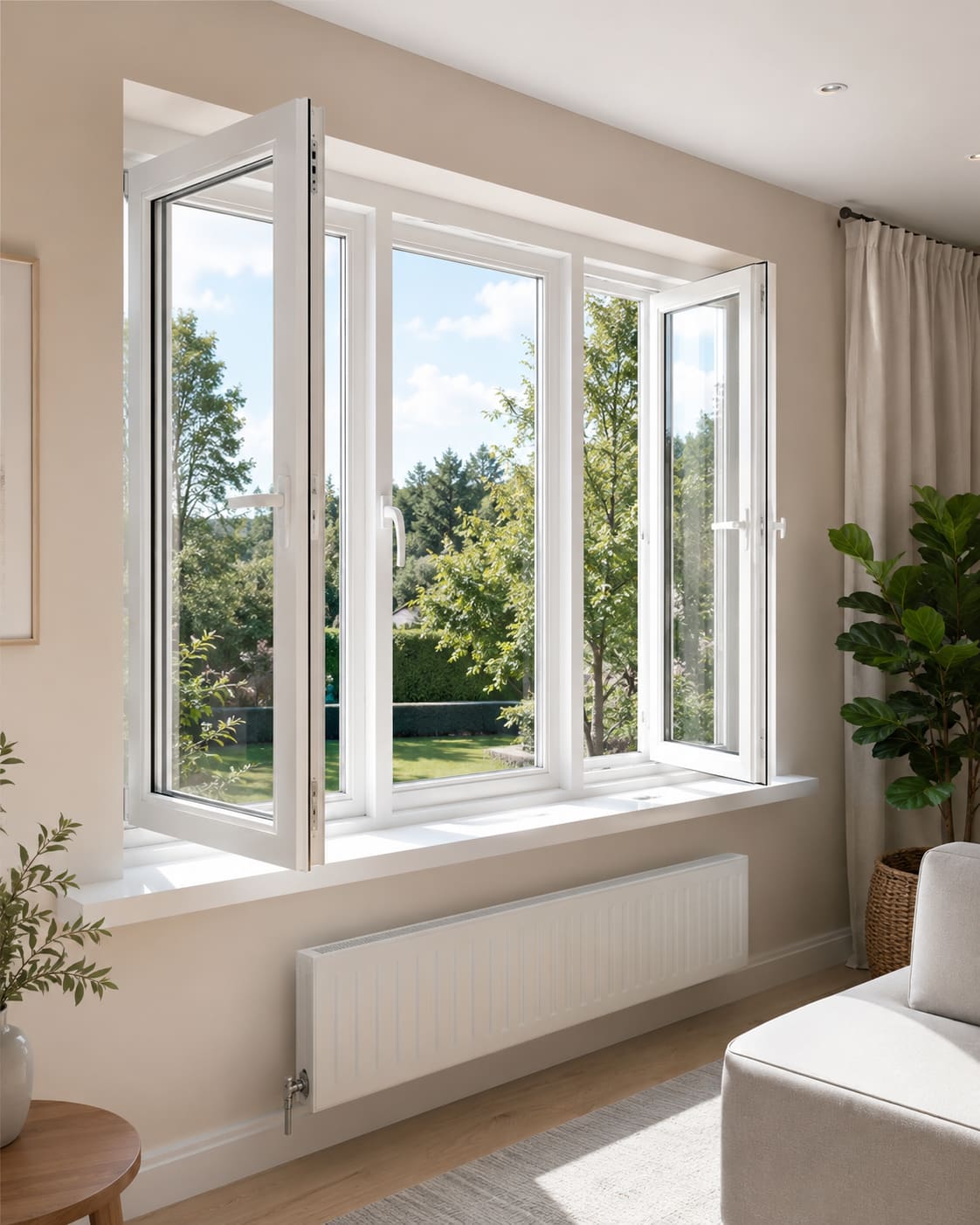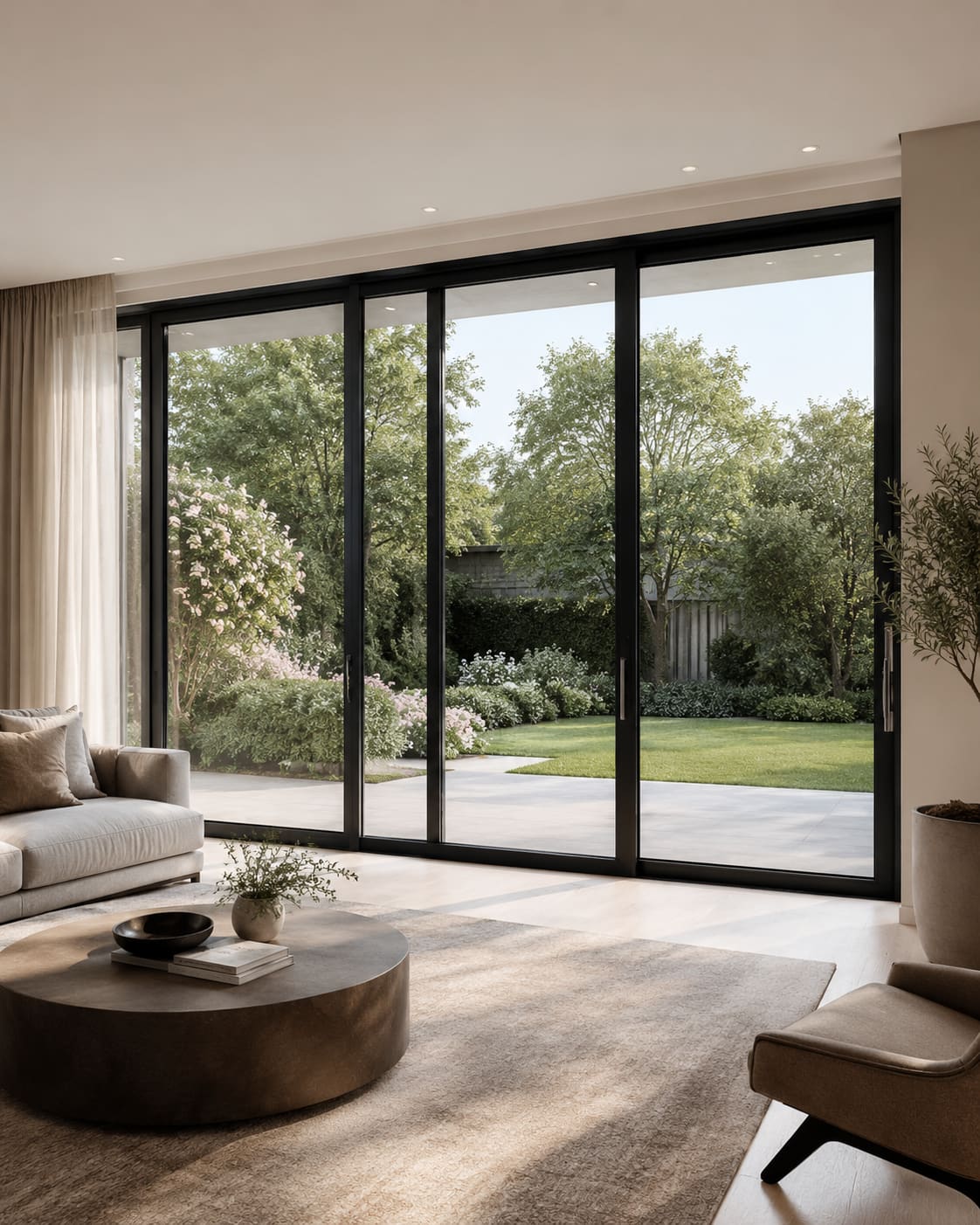
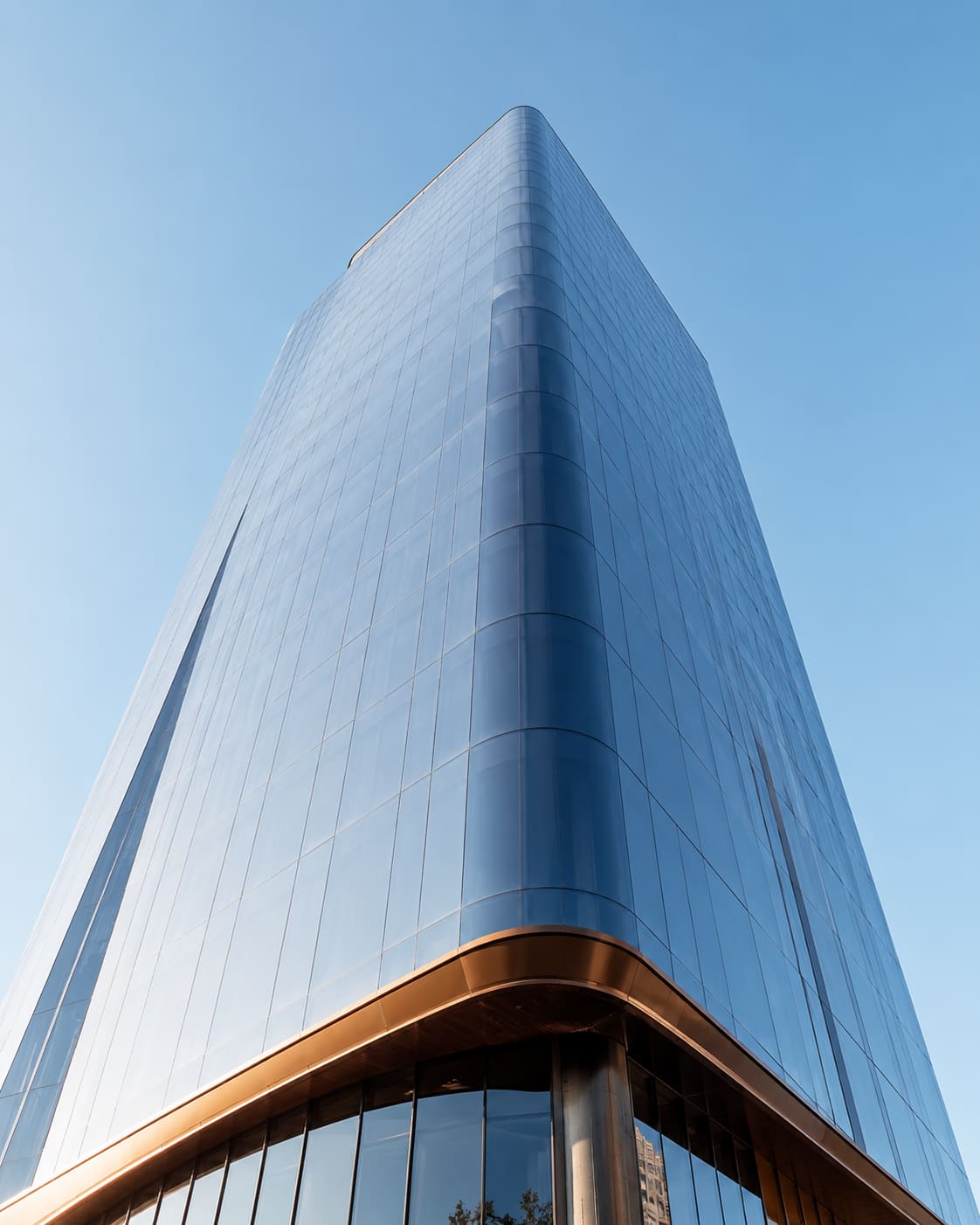
Structural glazing for villas in Kokapet uses toughened, insulated glass bonded to a concealed aluminium framework with high-strength structural silicone, creating flush, frameless glass exteriors with no visible mullions from outside. For Kokapet's premium villas and gated communities along the Financial District and Outer Ring Road, it delivers the seamless, floor-to-ceiling glass look that defines Hyderabad's new luxury homes while withstanding harsh summer heat, monsoon rain and dust. Expect to budget roughly INR 550 to INR 1,400 per square foot installed, depending on glass and system.
Kokapet has become the twin cities' most sought-after villa belt, and buyers here expect elevations that match the skyline of the neighbouring Financial District. A well-engineered facade and structural glazing system is what turns a good villa into a landmark one, giving you uninterrupted views, natural light in double-height living rooms, and a facade that reads as one clean sheet of glass.
This guide is written specifically for homeowners and builders in Kokapet, Gachibowli, the Financial District and the wider Hyderabad-Secunderabad twin cities. It covers realistic 2026 INR pricing, the right glass for our climate, monsoon and safety considerations, timelines, and how to choose an installer so your villa facade stays leak-free and stunning for decades. If you want a site-specific number, you can get a free quote after a measured survey.
What is structural glazing and why do Kokapet villas choose it?
Structural glazing is a facade system where glass panels are held by structural silicone bonded to a concealed aluminium frame, so the exterior reads as a continuous glass surface with no external framing. It is the signature look of high-end villas across Kokapet, Gachibowli and Jubilee Hills, and the reason new elevations in the Financial District look so sleek compared with older window-and-wall homes.
Unlike conventional windows where aluminium sections wrap every pane, structural glazing hides the structure behind the glass. The result is a flush, mirror-like skin broken only by slim silicone joints. It sits within a broader family of facade methods, including stick glazing built up piece by piece on site and factory-assembled unitized glazing that speeds up installation on larger elevations.
Villa owners in Kokapet choose it for several practical reasons:
- Uninterrupted views of the Financial District skyline, landscaped gardens and the Kokapet Neopolis stretch
- Maximum daylight, cutting daytime lighting costs in double-height living and stair areas
- A clean, modern elevation that lifts resale value in premium gated communities
- Better weather sealing than ordinary windows against monsoon-driven, wind-blown rain
- Design freedom to combine glass with ACP cladding or stone bands for a layered, contemporary look
Which glass is right for Hyderabad's climate?
For Hyderabad's 40C-plus summers and dusty conditions, the correct choice is double-glazed (DGU) toughened glass with a low-E or solar-control coating, which cuts heat gain by 40-60% versus plain single glass. This keeps Kokapet villas cooler and meaningfully reduces air-conditioning loads through the brutal April and May peak, when west-facing glass takes the full afternoon sun off the open ORR plots.
The glass specification matters as much as the framing. A DGU facade traps an insulating air or argon layer between two panes, while a reflective glass facade adds daytime privacy for closely spaced gated-community plots. Recommended specifications for twin-city villas:
- Toughened (tempered) glass, 8mm to 12mm, for safety and wind-load strength
- Double-glazed units with an argon-filled 12mm to 16mm cavity for heat and sound insulation
- Solar-control or low-E coating to block Hyderabad's intense western sun
- Laminated glass for balconies, railings and any glazing above ground floor
- A subtle tint or reflective coating for privacy in closely spaced gated-community plots
For living rooms that open to gardens, pair the glazed skin with aluminium slide-fold doors so the whole wall can open up on pleasant winter evenings, then seal tight against dust and heat the rest of the year.
How much does structural glazing cost in Kokapet?
Structural glazing in Kokapet typically costs between INR 550 and INR 1,400 per square foot in 2026, depending on glass thickness, coating, double-glazing and system type. A full villa facade of 1,500-2,500 sq ft generally lands between INR 9 lakh and INR 30 lakh installed, with double-glazed solar-control jobs at the upper end.
Indicative twin-city rates (supply and fit):
- Semi-unitized structural glazing with single toughened glass: INR 550-750 per sq ft
- Double-glazed structural glazing with solar-control coating: INR 900-1,400 per sq ft
- Spider (point-fixed) glazing for entrances and atriums: INR 1,200-2,200 per sq ft
- ACP and aluminium composite accents around glass bays: INR 180-350 per sq ft
Prices in Kokapet and the Financial District run slightly above Kukatpally or older Secunderabad areas due to premium finishes, taller elevations and access constraints on gated plots. Costs also rise with cantilevered bays, curved corners and any glass above the second floor, where scaffolding and safety measures add labour. Always get a site-measured quote rather than a per-sq-ft estimate; you can request one from our team with your drawings.
How do you make structural glazing monsoon-proof?
For Hyderabad's monsoon, structural glazing must use weatherproof structural-grade silicone, EPDM gaskets and a drained-and-ventilated design so any water that enters is channelled back out, preventing the leaks common in poorly built facades. Correct sealing, not just good glass, is what separates a facade that lasts twenty years from one that stains and seeps during heavy July-to-September rain.
The monsoon in the twin cities arrives with wind-driven rain that hits west and south elevations hard, so the sealing system must be engineered, not improvised. Practical points for Kokapet villas:
- Insist on Dow or equivalent structural and weather silicone, not cheap unbranded substitutes
- Use laminated glass at height so panels stay intact if broken, protecting people below
- Ensure proper slope and weep holes so monsoon water drains away from the frame
- Specify a pressure-equalised, drained cavity behind the glass line so trapped water escapes
- Verify wind-load design for the open, high-rise-adjacent plots common near the ORR
Where a villa has large flat or low-slope glass overhead, treat skylights and glass canopies as their own waterproofing challenge with dedicated slopes and gutters, because overhead glass is where leaks most often start.
What maintenance does a glass villa facade need?
A structural glazing facade in Kokapet needs light but regular upkeep: clean the glass twice a year, inspect silicone joints annually, and clear weep holes before the monsoon. Done consistently, this keeps the facade looking new and prevents small issues from becoming expensive leaks.
Hyderabad's dust is the main enemy of a glass elevation. Fine construction and road dust settles on horizontal joints and coatings, dulling the finish and clogging drainage paths. A simple maintenance rhythm:
- Wash glass with mild detergent and de-ionised water twice a year, ideally before and after monsoon
- Inspect structural and weather silicone joints annually for cracking, chalking or pull-away
- Clear weep holes and drainage channels of dust and debris before June
- Check that gaskets remain seated and re-seal any joint showing early failure promptly
- Keep a record of glass sizes and coatings so any single panel can be replaced quickly
For upper floors and atrium glass that are hard to reach, budget for a professional facade cleaning contract rather than risking DIY access at height.
Structural glazing vs spider and curtain wall: which suits a villa?
For most Kokapet villas, silicone structural glazing gives the best balance of clean looks, weather performance and cost, while spider glazing suits dramatic double-height entrances and curtain walling suits very large or commercial-scale elevations. The right system depends on the span, the look you want and your budget.
A quick comparison for villa owners:
- Structural (silicone) glazing: flush frameless skin, best all-round value, ideal for full villa facades
- Spider glazing: point-fixed glass for entrance lobbies, staircases and atriums where you want maximum transparency
- Curtain wall glazing: a self-supporting glazed skin for very tall or wide elevations, more common on villa-plus-clubhouse projects
- Glass fin spider glazing: uses glass fins instead of metal supports for a near-invisible structure at a premium price
Many Kokapet villas mix systems: structural glazing for the main elevation, a spider-glazed double-height entrance, and framed aluminium windows or uPVC windows in bedrooms where opening panes and thermal comfort matter more than a frameless look. Browse our completed projects to see how these combinations come together on real twin-city homes.
How long does installation take for a Kokapet villa?
Structural glazing for a typical Kokapet villa takes about 3 to 6 weeks from measurement to completion, covering survey, fabrication, framing, glass fitting and silicone curing. Larger or more complex elevations, and any work during peak monsoon, can extend this.
A realistic sequence looks like this:
- Site survey and measured drawings: 2-4 days
- Fabrication of aluminium framing and glass processing: 2-3 weeks
- Framing installation and glass fitting on site: 1-2 weeks
- Structural silicone application and curing: several days, weather dependent
- Final sealing, cleaning and handover: 2-3 days
Structural silicone needs stable, dry conditions to cure and bond properly, so reputable installers avoid sealing during heavy rain. Planning the glass phase for the drier October-to-May window avoids monsoon delays and gives the best long-term bond quality.
How do you choose a structural glazing installer in Hyderabad-Secunderabad?
Choose a structural glazing contractor with proven villa facade work in Kokapet, Gachibowli or Jubilee Hills, in-house fabrication, and a written warranty on both glass and silicone joints. Structural glazing is a safety-critical, load-bearing system, so experience and certified materials matter far more than the lowest quote.
Questions to ask before signing:
- Can you show completed villa or facade projects in the twin cities?
- Do you use certified toughened and laminated glass with test reports?
- What warranty covers silicone bonding and water leakage?
- Is fabrication done in-house or outsourced to a third party?
- How do you handle post-monsoon service and panel replacement in Kokapet?
The lowest bid often hides thinner glass, unbranded silicone or outsourced fabrication that shows up as leaks two monsoons later. Ask to inspect a facade the contractor built three or more years ago, so you can judge how the joints and glass have aged in Hyderabad's climate. When you are ready to compare, our team can walk your site and prepare a detailed quote.