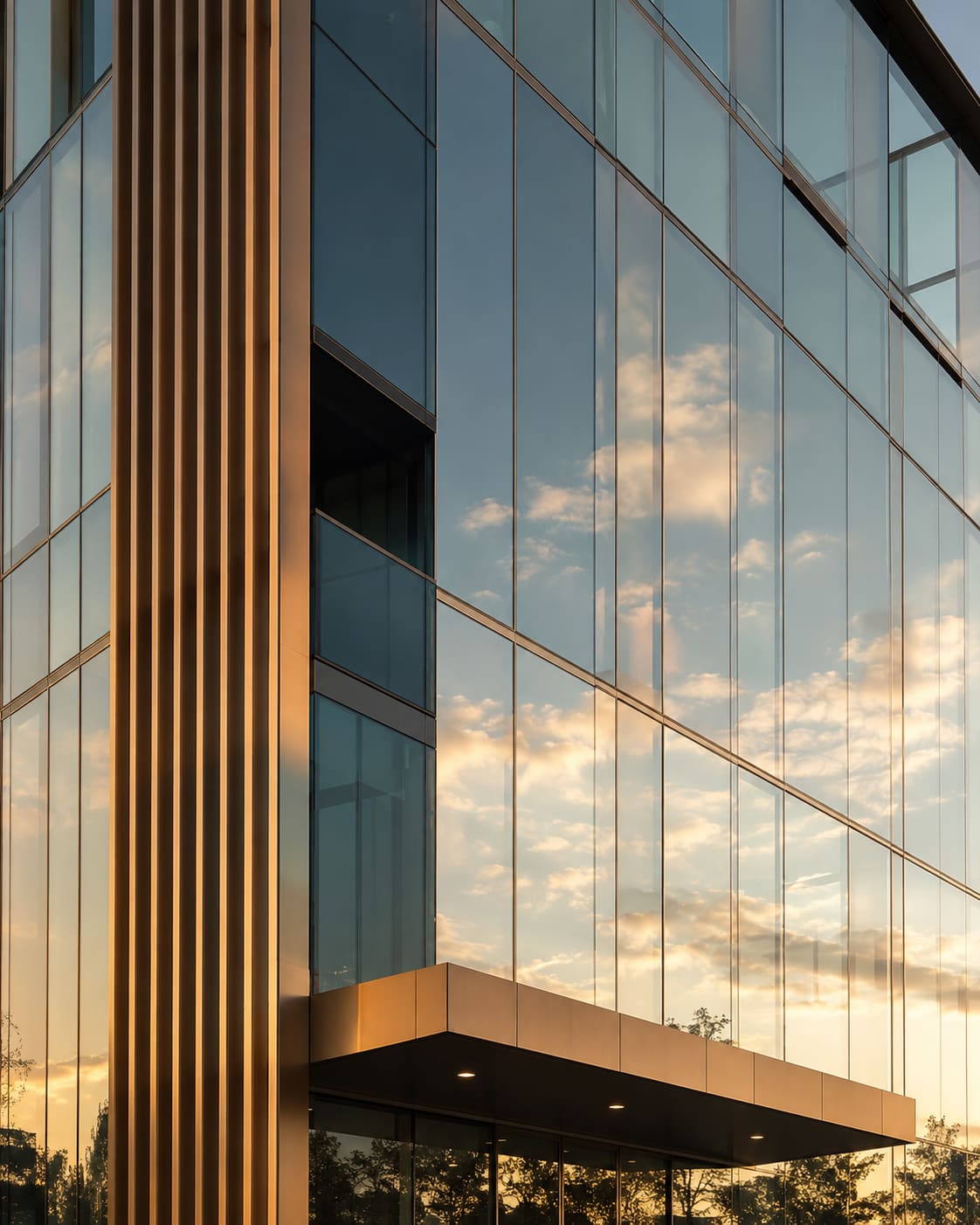
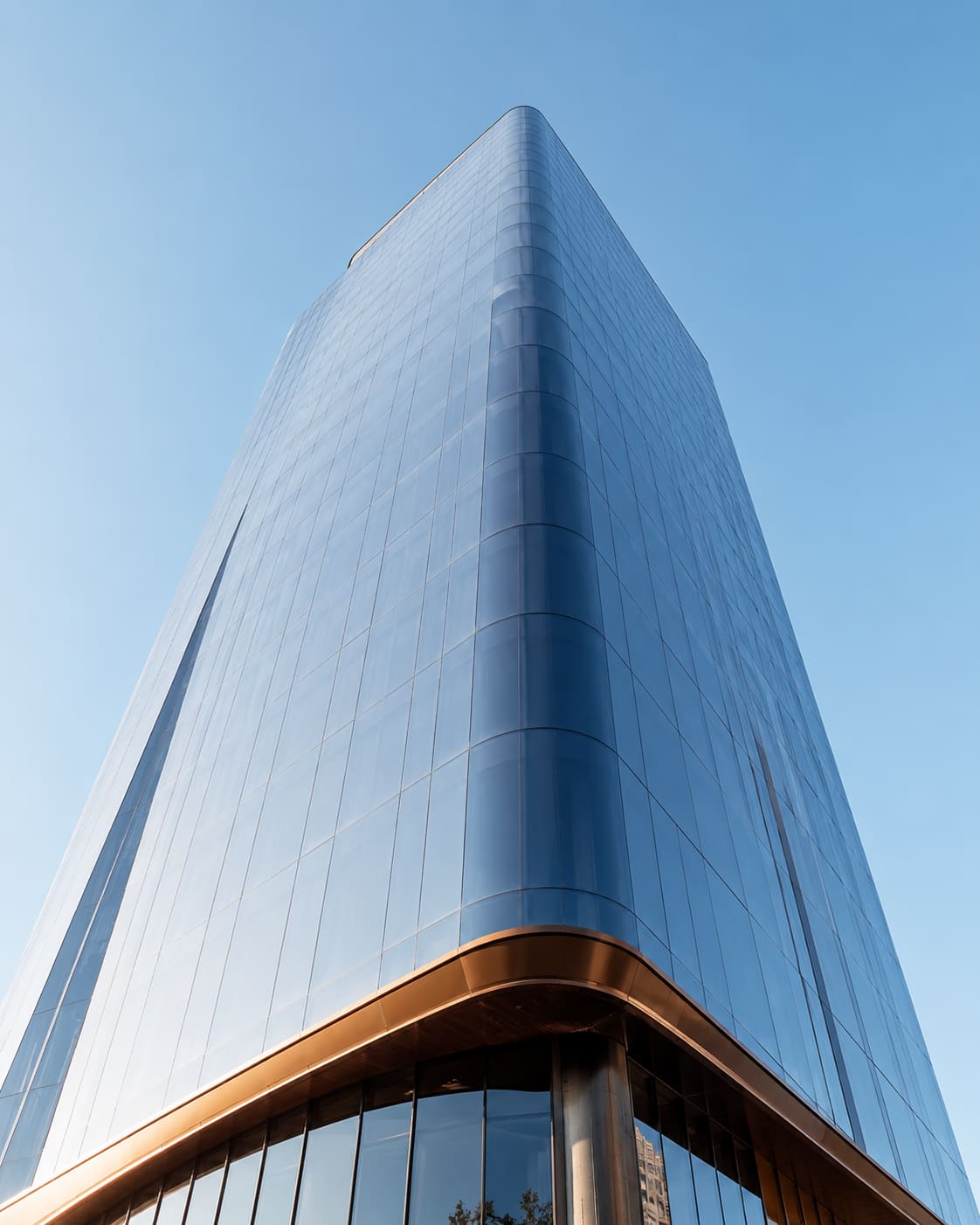
Structural glazing in Madhapur typically costs between INR 350 and INR 750 per sq ft in 2026, depending on glass type, whether you choose a spider or 4-side captured system, and building height. It is a facade method where glass panels are bonded to an aluminium framework with high-strength structural silicone, so the glass itself carries wind and dead loads and you get a smooth, frameless, mirror-like exterior. This is the dominant look across Madhapur, HITEC City and the Financial District office towers, and it is what most IT-park landlords and showroom owners now specify by default.
For Hyderabad's climate, the specification matters as much as the headline price. Madhapur summers push 42 degrees Celsius, the June to September monsoon drives water horizontally against west-facing facades, and year-round construction dust from the ongoing Kokapet and Financial District build-out demands quality gaskets and workshop-grade sealants. A cheap system that looks identical on day one can leak and delaminate within two monsoons.
This guide breaks down the systems, glass, real 2026 costs, timelines and compliance points that twin-city clients ask about most, so you can brief a facade and structural glazing contractor with confidence and compare quotes on a like-for-like basis instead of on rate alone.
What is structural glazing and why does Madhapur use it?
Structural glazing is a curtain wall technique where glass panels are bonded to a concealed aluminium sub-frame using structural silicone, rather than being held in visible metal snap-caps. The silicone transfers wind pressure and the dead weight of the glass back to the building structure, which is why the finish looks seamless from outside. The result is the flush, reflective glass skin you see on Cyber Towers, the DLF and Raheja IT parks, and the newer Financial District blocks.
Madhapur and HITEC City favour this look for three practical reasons. First, it reads as premium Grade-A office space, which supports rent per sq ft. Second, a fully glazed skin with a good coating manages Hyderabad's solar heat far better than punched windows in a plastered wall. Third, it installs faster on tight urban plots than wet-trade masonry facades.
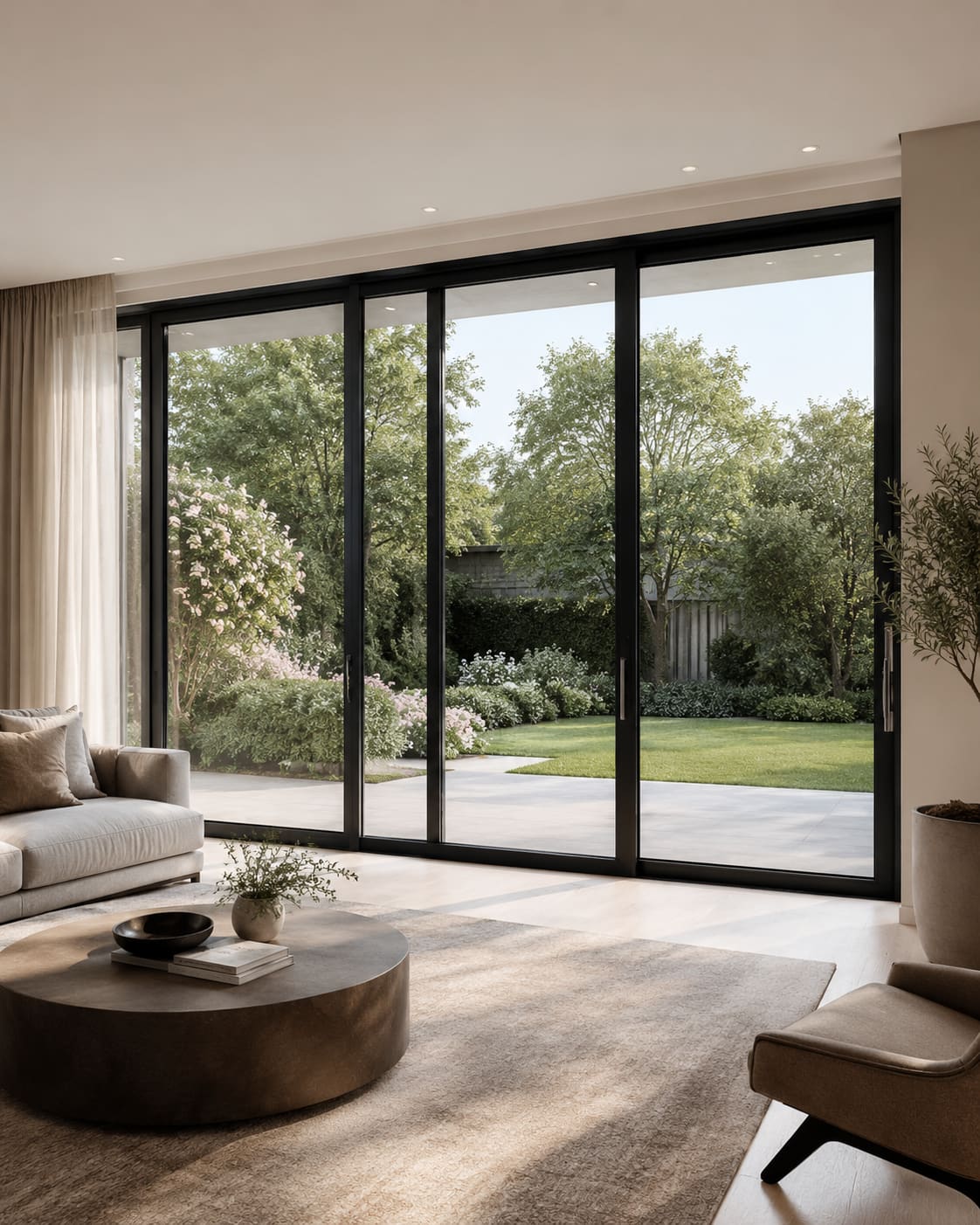
The same principle scales down for retail and residential. Showroom fronts along the Madhapur and Kondapur main roads use structural glass storefronts for an uninterrupted display window, while premium villas in Kokapet and Jubilee Hills use bonded glazing for double-height living-room walls. If you want the full curtain-wall treatment, our curtain wall glazing systems extend the same detailing across multiple floors.
Which structural glazing system suits your building?
Four-side structurally-bonded (SSG) systems are the most common choice for Madhapur and HITEC City offices because they give a fully flush glass skin with no visible aluminium. Pick the system by building type, height and budget:
- 4-side SSG (silicone-bonded): the frameless look on most Cyber Towers-era office facades; INR 500 to 750 per sq ft.
- 2-side captured / 2-side bonded: mechanically held on two edges, bonded on the other two; a balanced, cost-effective mid-range at INR 400 to 600 per sq ft.
- Spider / point-fixed glazing: bolted stainless spider fittings for lobbies, atriums and showroom fronts in Banjara Hills and Jubilee Hills; INR 600 to 1,100 per sq ft. See our spider glazing and bolt-fixed spider glazing options.
- Unitised / semi-unitised: shop-fabricated modules that install fast on tall Financial District and Kokapet towers, cutting site time and weather risk. Our unitized glazing line suits high-rise programmes.
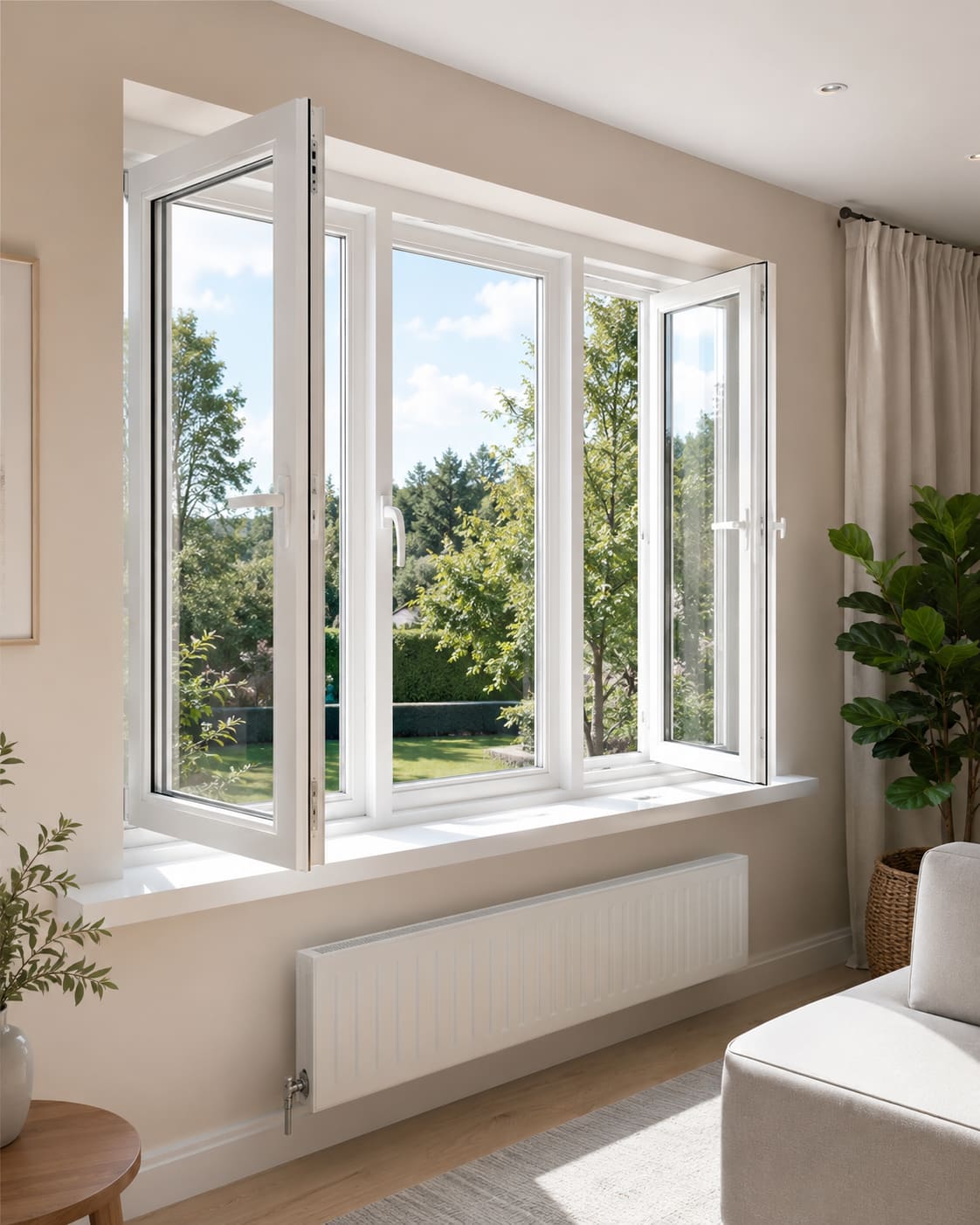
For homes and low-rise commercial in Kondapur or Kukatpally, 2-side captured systems give the glazed look at a lower cost than full SSG, and they are easier to service. If you are comparing framed alternatives, stick glazing assembled on site is often the most economical route for buildings up to four or five floors.
Which glass is best for Hyderabad's heat and glare?
For Madhapur's heat, double-glazed units (DGU) with a solar-control low-E coating are the recommended default, cutting heat gain by 50 to 70 percent versus plain glass and noticeably lowering the connected AC load. Match the glass to the elevation:
- DGU low-E (6mm + 12mm air + 6mm): best for air-conditioned offices; reduces AC running cost and glare on west and south faces. Explore our DGU facade options.
- Heat-strengthened or toughened glass: mandatory for structural spans and any pane above 1.5m to resist thermal stress and wind load.
- Reflective / high-performance coated glass: controls the harsh afternoon glare common on HITEC City towers; see reflective glass facade finishes.
- Laminated glass: adds safety and cuts road noise near the busy Madhapur, Kondapur and Gachibowli junctions.
Insist on certified structural silicone (Dow, Sika or equivalent) with a manufacturer warranty. Cheap sealant is the single biggest cause of monsoon leaks in the twin cities, and it also drives the silicone delamination that makes a glass skin look patchy within a couple of years.
How much does structural glazing cost in Madhapur in 2026?
A typical 1,500 sq ft Madhapur office facade runs INR 7.5 lakh to 11 lakh in 2026 for a supplied-and-installed 4-side SSG system with DGU glass. On a per-square-foot basis, expect INR 350 to 750 for standard 2-side and 4-side work, and INR 600 to 1,100 for spider or point-fixed glazing. Confirm these cost drivers in every quote so you are comparing like with like:
- Glass spec (single vs DGU, coating grade and brand) is the largest single line item.
- Building height and access; scaffolding or suspended cradles add real cost above the third floor.
- Aluminium grade and section depth, sized to Hyderabad's design wind loads, not undersized to win on price.
- Site distance from fabrication units in Jeedimetla, Balanagar, Uppal or Cherlapally, which affects transport and logistics.
- Scope of allied works such as ACP cladding around the glazed bays or a feature entrance canopy.
The cheapest quote is rarely the true cost. A rate INR 100 to 150 per sq ft below the market usually signals thinner aluminium, non-branded silicone or single glazing dressed up as high-performance glass, all of which cost more later. Ask for a written spec sheet, then get a free quote benchmarked against it.
How long does a structural glazing project take?
A mid-size structural glazing project in Madhapur or HITEC City takes about 5 to 9 weeks end to end. Knowing the sequence helps you plan fit-out and handover dates realistically:
- Survey and design: 1 to 2 weeks for site measurement, wind-load sizing and shop drawings.
- Fabrication: 2 to 4 weeks, including workshop bonding of structural silicone and its full cure time.
- Installation: 1 to 3 weeks on site for a mid-size elevation, longer for tall Financial District towers.
Unitised systems compress the on-site window because most bonding and assembly happens in the factory, which is a major advantage during the monsoon when site-applied silicone cannot cure reliably in the damp. If your programme is tight, flag it early so the contractor can plan glass procurement, since coated DGU units often carry a lead time of their own. You can review completed twin-city elevations in our projects gallery to gauge scope and finish.
How do you stop monsoon leaks in a glazed facade?
Leaks in structural glazing almost always trace back to sealant quality or site workmanship, not the system itself. Correct installation in Hyderabad means dry-glazing tolerances, weep holes and a two-stage drainage design so monsoon water is channelled out rather than trapped against the aluminium. Insist on these checkpoints:
- Structural silicone applied in a controlled workshop, not brushed on site in dust and humidity.
- A pressure-equalised or two-stage drainage detail behind the glass line so any water that gets past the outer seal drains away.
- Correctly sized EPDM gaskets and weep slots that are actually open, not clogged with sealant.
- A water-tightness test (hose or spray test) on a sample bay before the full facade is signed off.
West and south-west elevations take the brunt of Hyderabad's driven monsoon rain, so those faces deserve the most scrutiny. If an existing facade already leaks, a survey through our facade consultancy can isolate whether the fix is re-sealing, re-gasketing or a drainage redesign before you spend on a full re-glaze.
Getting compliance and structural safety right
Structural glazing is a life-safety element on any building above a couple of floors, so the engineering behind the glass matters as much as the finish. Before you approve a design, confirm the following:
- The aluminium framing is anchored to structural slabs or a designed backup steel frame, with cast-in or expansion anchors rated for the loads.
- A GHMC-compliant design package with wind-load and structural calculations for the building's height and exposure.
- Toughened or heat-strengthened glass with heat-soak testing on toughened panes to reduce the risk of spontaneous nickel-sulphide breakage.
- Fall-safety detailing at floor edges and any glazed balustrade, ideally with laminated glass so a broken pane stays in place.
- Facade access planned in from day one (BMU tracks or rope-access anchors) for cleaning and re-sealing, which is essential given Madhapur's dust.
For entrance lobbies and atriums that combine glazing with balustrades or canopies, coordinate the glass railing and glass canopy details with the facade contractor so anchors, glass grades and drainage all align rather than clashing on site.
Choosing a structural glazing contractor in the twin cities
The right contractor is the difference between a facade that performs for 20 years and one that leaks by its second monsoon. Weigh these factors when you shortlist a fabricator for Madhapur, Gachibowli or Secunderabad:
- In-house fabrication near the twin cities (Jeedimetla, Balanagar, Uppal or Cherlapally) so bonding is controlled and site response is quick.
- A portfolio of completed HITEC City, Financial District or Kokapet elevations you can actually inspect.
- Written specifications naming the glass brand, coating, aluminium system and silicone, not just a lump-sum rate.
- Clarity on warranties: separate cover for glass, silicone bonding and weather-tightness.
- Willingness to run a mock-up bay and a water test before committing the full elevation.
Hakimi Aluminium and Glass fabricates and installs across Madhapur, HITEC City, Gachibowli, Kondapur, Kokapet, the Financial District and Secunderabad, covering everything from aluminium doors and windows to full curtain walls. To scope your project and get a site-measured price, request a free quote and we will benchmark the spec against what actually survives Hyderabad's climate.