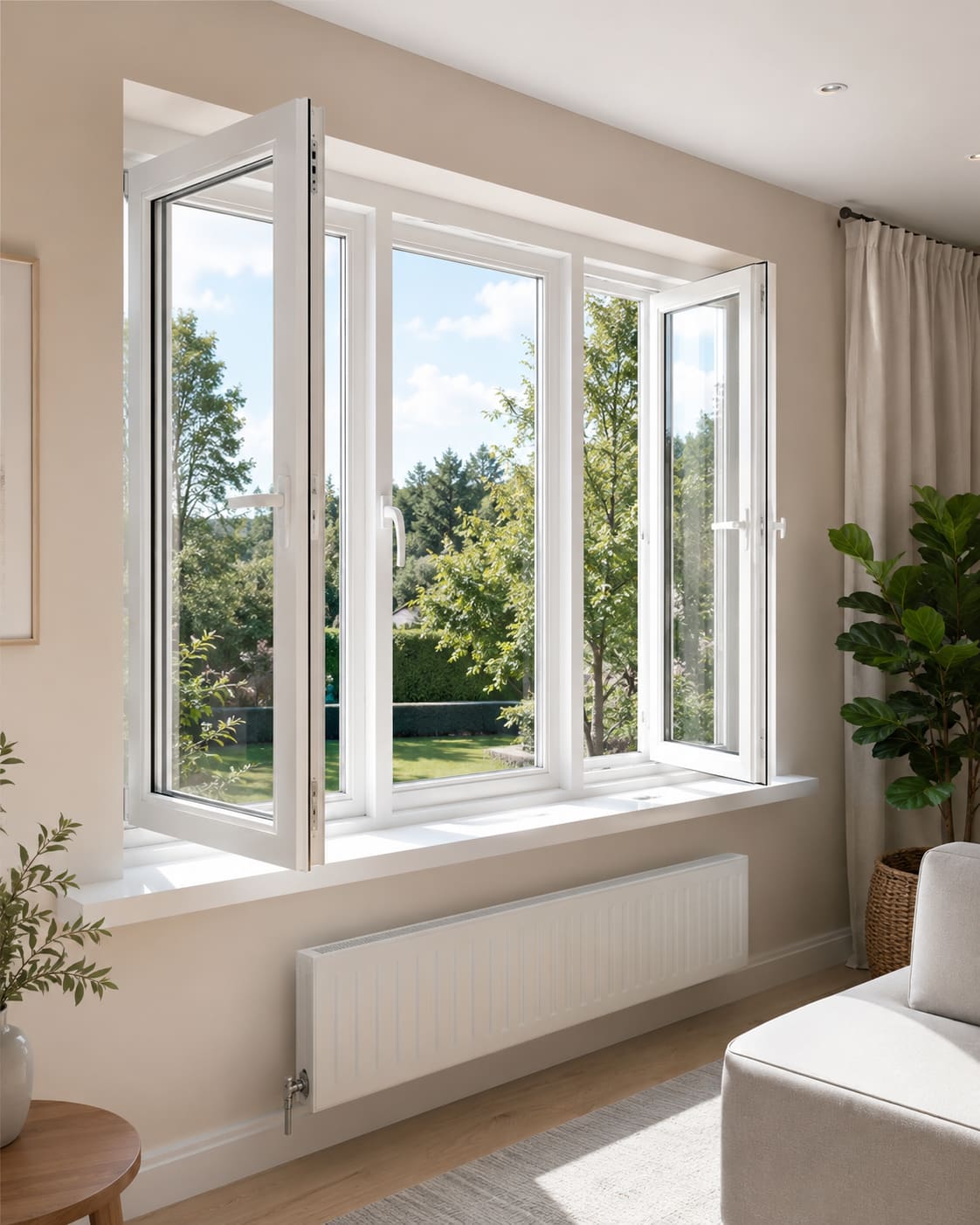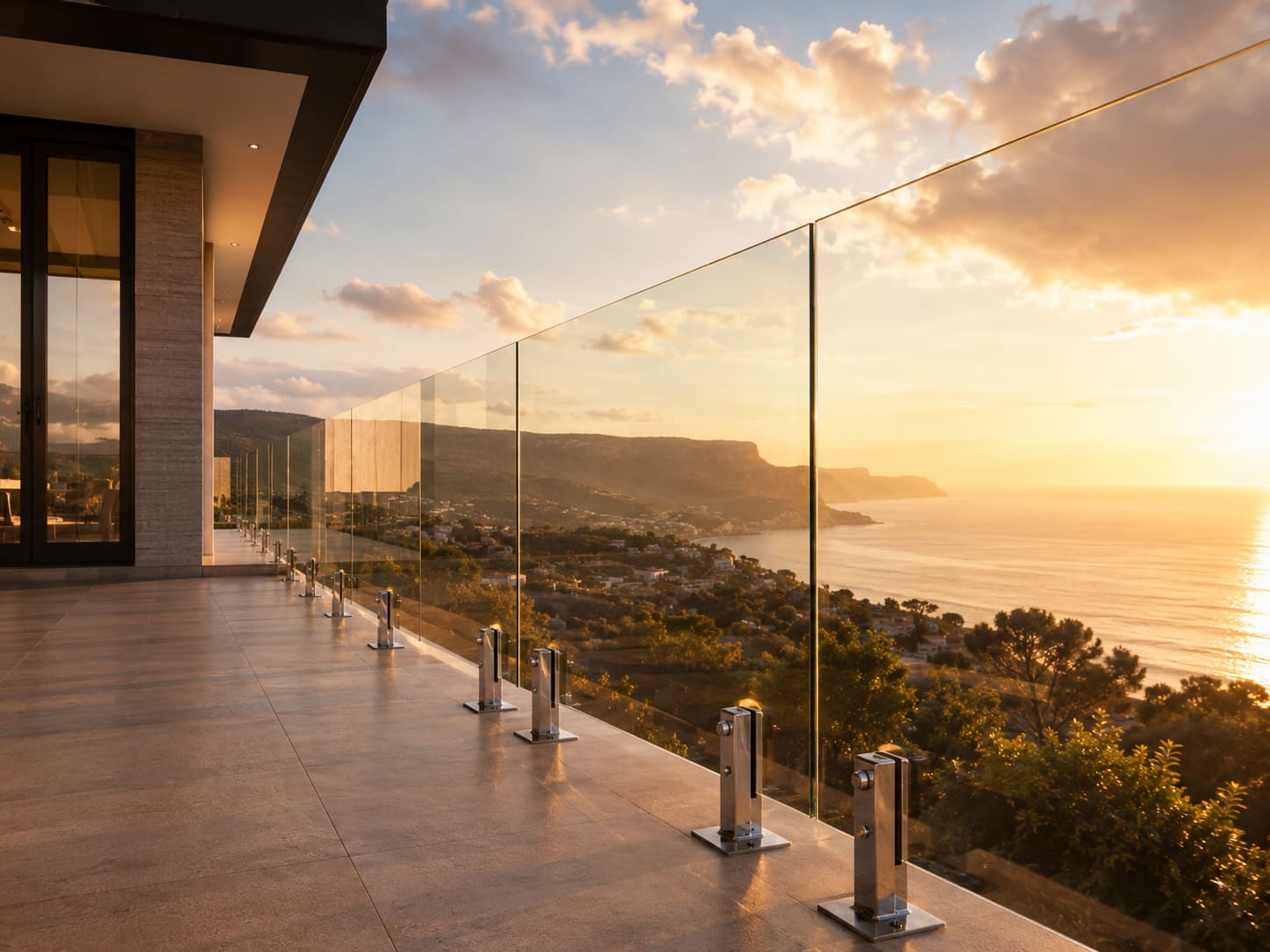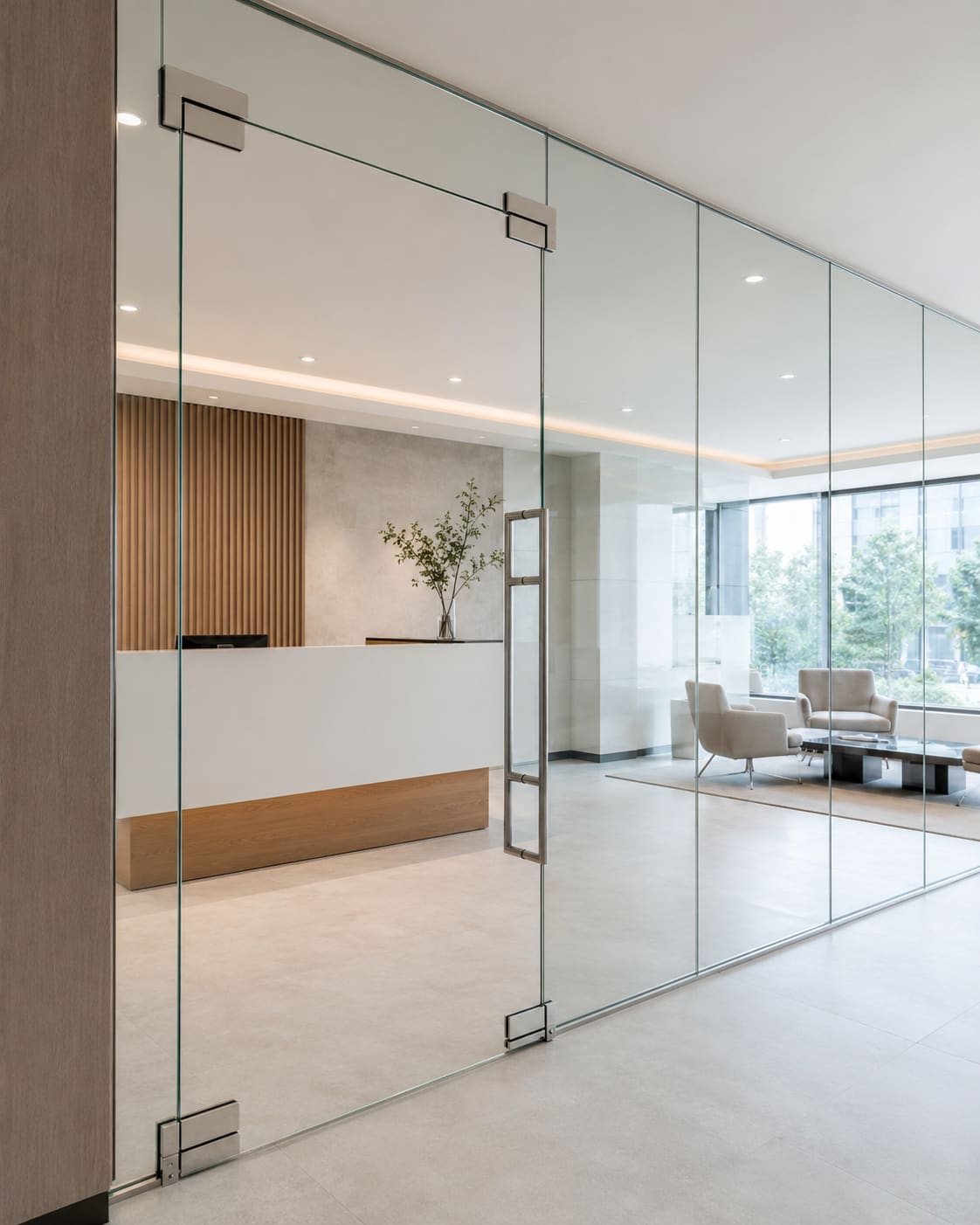
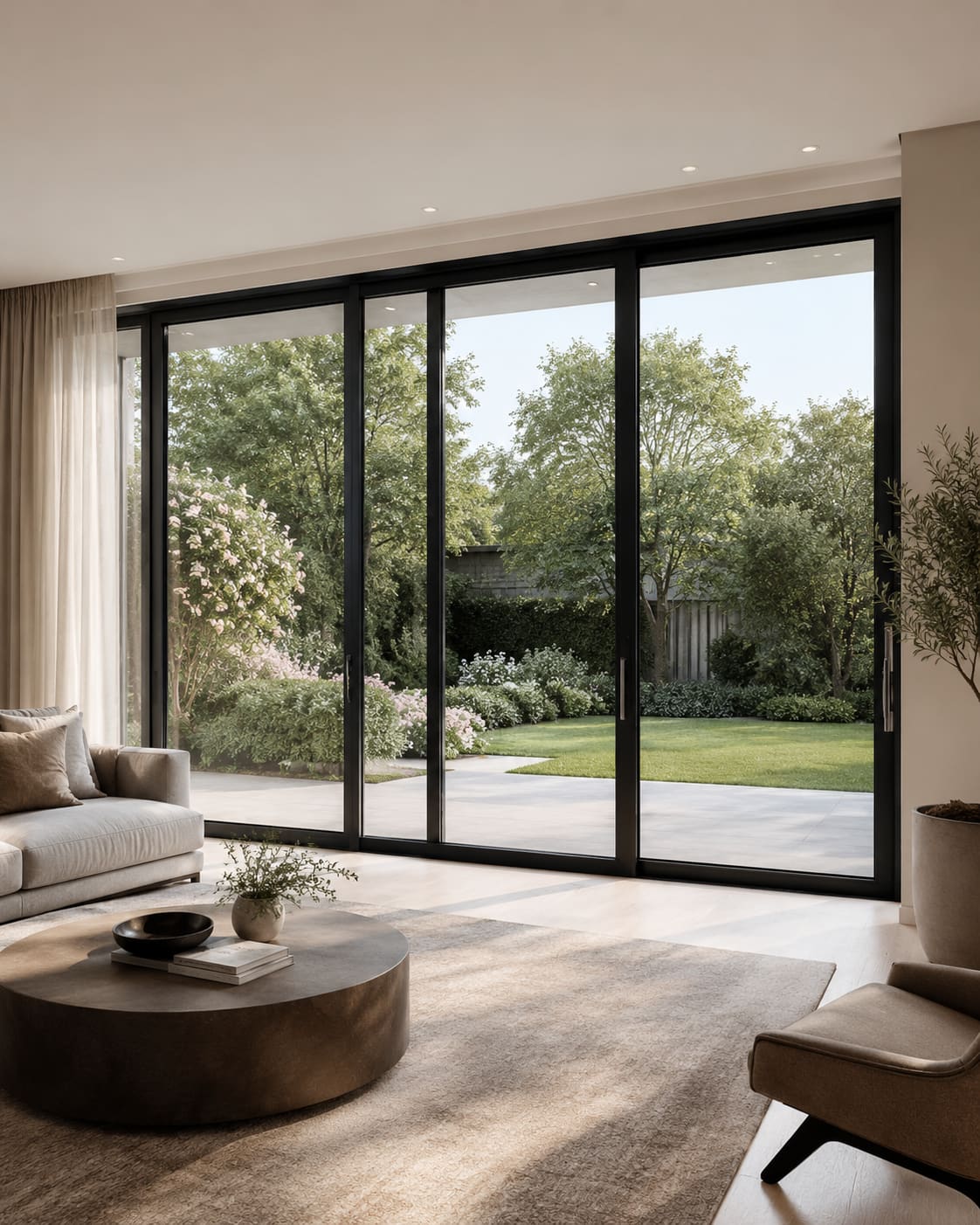
Aluminium windows last 30 to 45 years on average, and frequently exceed 40 years when the frames are anodised (15-25 micron) or powder-coated (60+ micron) and the moving hardware is serviced periodically. That comfortably outlasts uPVC windows, which typically manage 20 to 30 years, because aluminium is dimensionally stable, does not warp, rot or burn, and its surface forms a naturally protective oxide layer that resists corrosion instead of feeding it. In short, a properly specified aluminium window is one of the longest-lasting building elements you can fit.
The figure that really matters is actually two numbers: frame life and component life. A well-extruded aluminium window frame can stay structurally sound for four decades or more, but the consumable parts - gaskets, weather seals, friction stays, rollers, locks and handles - wear out far sooner and are designed to be replaced. In the hot, humid, dust-laden conditions of Hyderabad, Secunderabad and the wider Telangana region, understanding that distinction is the key to getting the maximum service life without paying to replace whole windows.
This guide breaks down realistic lifespan figures by finish and alloy, the Indian and international standards that drive durability, which components fail first and what they cost to replace in INR, an honest comparison with uPVC and timber, and the low-cost maintenance routine that pushes an aluminium window to the top of its range across Telangana and Andhra Pradesh. If you are specifying new windows, you can get a free quote at any stage for grade-specific advice.
Average Aluminium Window Lifespan by Frame and Finish
Aluminium window lifespan is driven primarily by three things: the surface finish, the alloy grade and the environment. The finish is what shields the base metal from UV, dust abrasion and moisture, so it is the first thing to scrutinise when you compare quotes. Typical service-life ranges look like this:
- Mill-finish (raw) aluminium: 15-25 years - cheapest, but chalks and pits without protection.
- Powder-coated aluminium (60+ micron): 30-40 years - the most common residential choice in India.
- Anodised aluminium (15-25 micron, per IS 1868): 35-45 years - excellent abrasion and UV resistance.
- Architectural PVDF-coated systems (AAMA 2605-class): 40+ years, often with 20-25 year coating warranties.
The base metal in most architectural windows is 6063-T5 or T6 alloy, chosen for its strength-to-weight ratio and inherent corrosion resistance. Because aluminium contains no iron, the frame does not rust - instead it forms a microscopically thin oxide film that reseals itself if scratched. That self-healing layer is why a well-finished frame routinely outlives its own hardware two or three times over. When you weigh up different aluminium windows, the coating micron count and the alloy temper are the two specifications that separate a 20-year window from a 45-year one.
What Determines How Long Aluminium Windows Last
Beyond the headline finish, five measurable factors decide real-world lifespan, in roughly this order of importance:
- Surface finish: A thicker, higher-grade coating (anodising or powder coat) is the strongest single predictor of frame life.
- Environment: Coastal salt spray and industrial pollution accelerate corrosion and can shorten coating life by 30-50%. This is a real concern for projects in coastal Andhra Pradesh (Visakhapatnam, Kakinada, Nellore) versus landlocked Hyderabad.
- Extrusion wall thickness: Sections of 1.2-2.0 mm are standard; thicker walls resist flexing and long-term deformation, which matters most on large sliding sashes.
- Installation quality: Correct anchoring, thermal-break integrity and clean sealant application prevent water ingress and frame movement - poor fitting is the most common cause of premature failure, regardless of frame quality.
- Hardware and seal maintenance: Routine servicing of stays, rollers and gaskets prevents secondary damage that eventually stresses the frame.
Glazing choice matters too. Toughened safety glass to IS 2553 and insulated double-glazed units (IGUs) hold their seals for 15-25 years before the edge seal or gas fill may need attention. Getting the glass, gasket and frame to work as one weathertight assembly is exactly the kind of detail you can see resolved in our recent projects, where specification is matched to each building's exposure.
Components That Wear Out First (and What They Cost)
The parts that fail before the frame are the consumables, and knowing their replacement intervals lets you plan maintenance rather than react to a leak. Crucially, none of these require replacing the window itself:
- EPDM/rubber gaskets and weather seals: 10-15 years before hardening and shrinkage cause draughts or leaks.
- Friction stays and hinges: 12-20 years, depending on cycle count and lubrication.
- Locks, handles and multi-point mechanisms: 10-15 years; replaceable without touching the frame, and often a chance to upgrade security.
- Roller mechanisms on sliding windows: 8-15 years, extended significantly by keeping tracks clear of dust - the single most common service call we get in Hyderabad.
- Cylinder locks and keeps: 10-15 years; modern units retrofit easily to older frames.
- IGU edge seals: 15-25 years before possible fogging in double-glazed units.
Replacing these components is inexpensive relative to the window - typically INR 500 to INR 3,000 per window including labour - and restores near-original performance. By contrast, a full window replacement runs INR 8,000 to INR 25,000 or more depending on size, profile system and glazing. That gap is precisely why proactive servicing, not reactive replacement, is the economical path over a 40-year life.
Aluminium vs uPVC and Wooden Windows: A Lifespan Comparison
Aluminium windows generally last longer than uPVC and need far less upkeep than timber. A direct comparison of typical service life makes the trade-offs clear:
- Aluminium: 30-45 years; does not warp, rot or burn; slim sightlines allow larger glass areas.
- uPVC: 20-30 years; good thermal insulation, but can discolour, become brittle and sag under sustained heat.
- Timber/wood: 20-40 years, but only with regular painting and sealing; vulnerable to termites, rot and swelling in humidity.
In hot Indian climates, uPVC's tendency to soften and yellow under prolonged high temperatures gives thermally-broken aluminium a clear edge for large spans and sun-facing facades. On a Hyderabad summer afternoon, the surface of a dark uPVC frame can exceed 60 C, at which point the profile starts to lose rigidity and can bow over the years - aluminium simply does not. Aluminium is also fully recyclable, and roughly 75% of all the aluminium ever produced is still in use, which is a genuine end-of-life advantage.
Where security and durability are priorities, aluminium's rigidity also lets it carry heavier multi-point locking than uPVC. The same longevity logic applies to matching entrances, so many homeowners pair long-life windows with equally durable aluminium doors for a consistent facade that ages at the same rate.
How Hyderabad, Telangana and Andhra Pradesh Climate Affects Lifespan
Regional climate is the second-biggest lifespan variable after finish, and it varies meaningfully across Telangana and Andhra Pradesh. Matching specification to location is how you avoid over-paying for coating you do not need - or under-specifying and paying twice:
- Hyderabad and Secunderabad (inland, semi-arid): The main stressors are intense summer heat, high UV, monsoon humidity and heavy airborne construction dust. A quality 60-micron powder coat or standard anodising reaches the full 35-45 year range here comfortably.
- Coastal Andhra Pradesh (Visakhapatnam, Kakinada, Nellore): Salt-laden marine air is aggressive on lower-grade finishes. Specify seaside-grade (marine) anodising or PVDF coatings and stainless-steel fixings; expect the environment to shave years off any budget finish.
- Industrial corridors: Sulphur dioxide and particulate pollution near industrial zones behave much like marine exposure, accelerating chalking of cheaper coatings.
The rule of thumb is simple: the harsher the environment, the thicker and higher-grade the finish must be, and the more it pays to use stainless fixings rather than plated steel. For a facade-scale or high-rise project exposed to these conditions, browse our services to see the engineered glazing and framing systems designed to hold up over decades rather than years.
Maintenance Routine to Reach 40+ Years
To reach the upper end of the lifespan range in Hyderabad and Secunderabad, follow a simple, low-cost routine. None of it needs a specialist - most is homeowner-level care that pays back many times over in delayed replacement:
- Clean frames and tracks every 3-6 months with mild soapy water; avoid abrasive pads or alkaline cleaners that attack coatings.
- Lubricate hinges, stays and rollers annually with a silicone-based lubricant, never oil (oil attracts and holds dust).
- Inspect and re-seal external silicone joints every 5-10 years to keep water out during monsoon.
- Check gaskets yearly for hardening or shrinkage and replace them before they leak, not after.
- Keep drainage weep holes clear so trapped monsoon water cannot sit against the frame.
- Service moving parts on adjoining doors so slamming does not stress shared frames and mullions.
Following this routine typically adds 5-10 years to real-world service life and keeps operation smooth and quiet throughout. When components do reach end of life, fitting quality branded hardware rather than generic parts protects the larger frame investment and preserves the original feel of the window.
Standards, Specifications and When to Replace vs Repair
Longevity is designed in at the specification stage, so it pays to reference the relevant Indian and international standards when you buy. A window that meets these will comfortably outlast one that does not:
- Anodising thickness to IS 1868 (15-25 micron for exterior use).
- Powder coating to AAMA 2603/2604/2605 class, with a 60+ micron film build for durability.
- Toughened/safety glass to IS 2553, with design wind loads to IS 875 (Part 3).
- Installation following the National Building Code of India (NBC) 2016.
Knowing when to repair versus replace is the final piece. Repair is almost always the right call when the frame is sound and only seals, rollers or handles have worn - this restores full performance for a few thousand rupees. Full replacement makes sense only when the frame is corroded through (rare within 40 years), the coating has chalked beyond cleaning, or you are deliberately upgrading to thermally-broken or double-glazed systems for energy performance. If you are unsure which side of that line your windows fall on, get a free quote and we will assess condition on site. Hakimi Aluminium and Glass supplies, fabricates, installs and services anodised and powder-coated aluminium windows engineered for these conditions across Hyderabad, Secunderabad and the wider Telangana and Andhra Pradesh region.
Common Mistakes That Shorten Aluminium Window Life
Most windows that fail early do so for avoidable reasons, not because aluminium is at fault. Watch for these common mistakes:
- Choosing on price alone: A thin 20-30 micron powder coat looks identical on day one but chalks a decade sooner than a 60-micron finish.
- Skipping the thermal break on sun-facing elevations, which increases condensation and long-term seal stress.
- Using plated-steel screws and fixings in coastal or polluted air, where they rust and stain the frame long before the aluminium itself degrades.
- Cleaning coatings with abrasive or acidic products, which micro-scratch the surface and open a path for corrosion.
- Letting weep holes and tracks clog with dust so monsoon water pools against gaskets and accelerates their failure.
- Ignoring a stiff stay or dragging roller until it damages the sash - a INR 800 part left too long can turn into a INR 15,000 replacement.
Avoiding these is straightforward once you know them, and it is the difference between a window that reaches 25 years and one that comfortably passes 40. Specifying correctly at the outset costs little more than a budget window but doubles the useful life, which is why the right first decision matters more than any later repair.