
An insulated glass unit (IGU) is a factory-sealed assembly of two or more panes of glass separated by a spacer bar that encloses a dehydrated air or inert-gas cavity, engineered to reduce conductive heat transfer, condensation and noise. The sealed cavity, usually 6mm to 20mm wide and filled with argon or krypton gas, is the insulating core of the unit and is protected by a primary polyisobutylene seal and a secondary structural seal of silicone or polysulphide.
Also called double glazing (two panes) or triple glazing (three panes), an IGU is specified by its glass make-up such as 6-12-6, meaning 6mm glass, a 12mm cavity and 6mm glass. In Hyderabad and Secunderabad's hot climate, where daytime temperatures routinely cross 40C in April and May, IGUs paired with low-emissivity coatings sharply cut solar heat gain and air-conditioning load. This is why almost every glass tower in Gachibowli, the Financial District and Hitec City is built with insulated glazing rather than single glass.
Hakimi Aluminium and Glass fabricates and installs IGUs for facades, windows and curtain walls across the twin cities. This guide explains exactly what an IGU is, how it is built, how it performs, what it costs, and how to choose the right configuration for Telangana's climate. If you would rather talk it through, you can get a free quote for your project.
How an IGU Is Constructed
An IGU is built from five core components sealed together in a controlled factory environment to keep the cavity permanently dry. The precision of that seal is what separates a 20-year unit from one that fogs in three monsoons.
- Glass panes: Two or three lites of float, toughened glass (conforming to IS 2553), heat-strengthened or laminated glass, commonly 4mm to 12mm thick.
- Spacer bar: An aluminium or warm-edge polymer/stainless frame, 6mm to 20mm wide, that sets the cavity width and holds the panes apart.
- Desiccant: A molecular-sieve drying agent packed inside the hollow spacer that absorbs residual moisture and prevents internal fogging.
- Primary seal: Polyisobutylene (PIB) applied between glass and spacer as the main moisture and gas barrier.
- Secondary seal: A structural silicone or polysulphide bead around the perimeter that bonds the unit and carries load; structural silicone glazing follows ASTM C1401.
The finished unit is what most Indian fabricators and architects call a DGU (double-glazed unit). When it is mounted into a building envelope without visible framing, it becomes the basis of a DGU facade or structural glazing system.
How Does an IGU Reduce Heat and Noise?
An IGU reduces heat flow because the sealed gas cavity is a poor conductor, breaking the direct thermal bridge that a single pane provides. Instead of heat marching straight through one sheet of glass, it must cross glass, then a still layer of gas, then glass again.
Heat transfer is measured by the U-value in W/m2K, where lower is better: single glazing rates about 5.7, a plain double-glazed IGU about 2.7, and a low-e argon-filled unit below 1.5.
Argon gas conducts heat roughly 33% less than air, and krypton is better still, allowing thinner high-performance cavities where frame depth is limited.
- Solar control: Low-e and reflective coatings can reject up to 70% of solar heat gain (a low Solar Heat Gain Coefficient) while keeping daylight, which is the whole point of a reflective glass facade in Hyderabad's harsh sun.
- Acoustics: An IGU with differing pane thicknesses and a wide cavity can cut noise by 30 to 40 dB, valuable for offices near busy corridors like the Outer Ring Road, Kondapur and Madhapur junctions.
- Condensation: The warm inner pane stays above dew point, preventing the fogging common on single glazing during monsoon humidity from June to September.
IGU Configurations and Glass Options
IGUs are specified as a glass-cavity-glass sequence, and the choice of panes, coatings and gas is tuned to climate and code requirements. The same frame can hold very different performance depending on what you seal inside it.
- Double glazing: Two panes with one cavity, the standard for residential and commercial windows.
- Triple glazing: Three panes with two cavities for extreme thermal or acoustic demands; rare in Hyderabad but used in premium or hospital projects.
- Low-e coated: A microscopically thin metallic-oxide layer that reflects infrared heat while passing visible light.
- Laminated IGU: Combines a PVB interlayer for safety, security and UV blocking (up to 99% UV cut) with insulation, popular where an acoustic glass partition or storm-resistant window is needed.
- Gas fill: Dry air, argon or krypton; argon is the most common cost-effective upgrade.
- Warm-edge spacers: Low-conductivity spacers that raise edge temperature and reduce condensation versus plain aluminium.
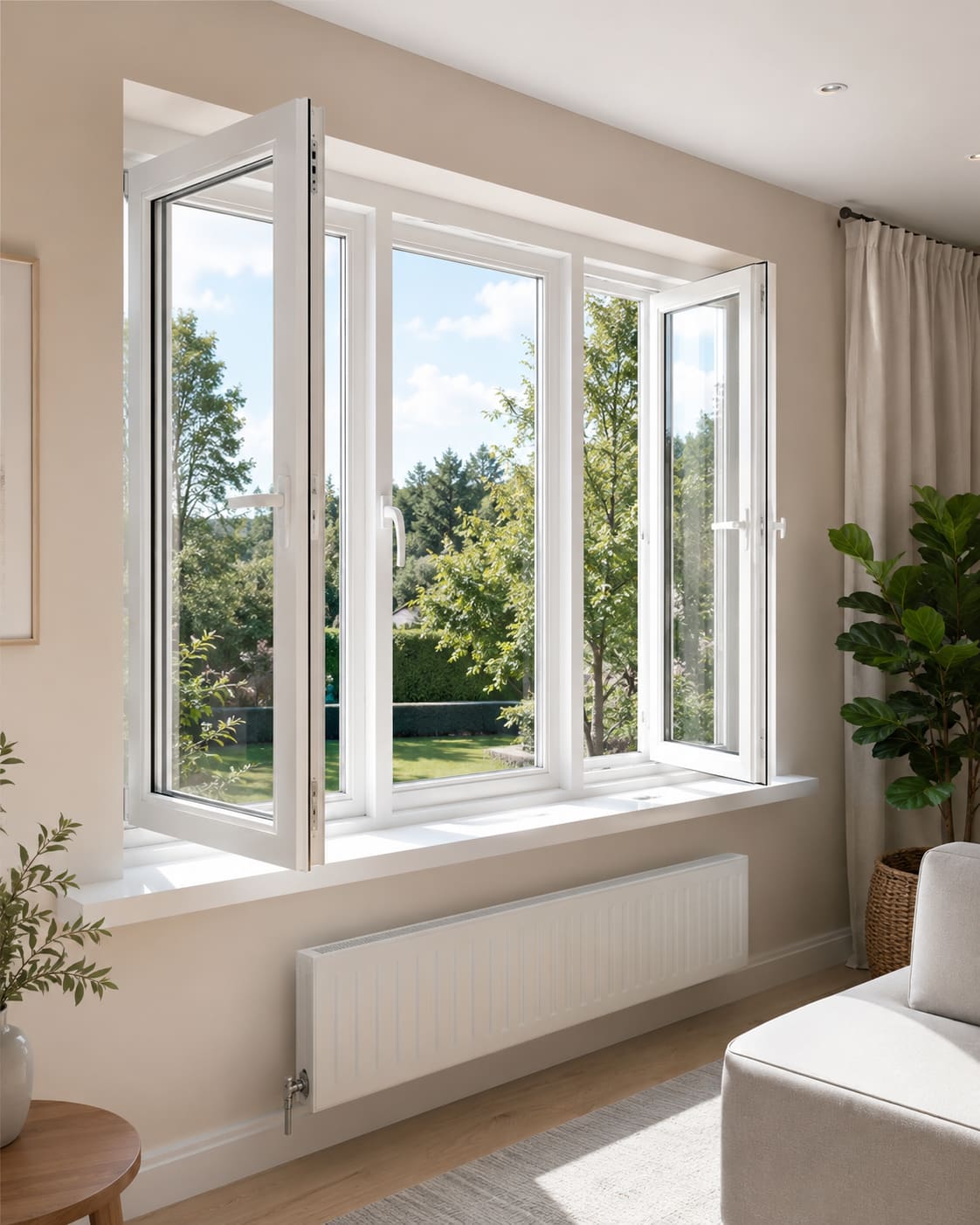
For openable windows, the same IGU can be framed in thermal-break aluminium windows or in uPVC windows, both of which stop heat from short-circuiting around the glass through the frame.
What Standards and Codes Apply to IGUs in India?
IGUs used in Indian facades are governed by national building and energy codes that set minimum thermal and safety performance. Meeting them is not optional on commercial towers in Telangana and Andhra Pradesh.
- The Energy Conservation Building Code (ECBC) sets maximum U-values and Solar Heat Gain Coefficients for building envelopes, which IGUs help meet.
- The National Building Code of India (NBC) 2016 covers glazing, safety and facade design provisions.
- Safety glazing in IGUs is typically toughened glass conforming to IS 2553.
- Wind load on facade glazing is assessed per IS 875 Part 3, which governs pane thickness selection on tall buildings.
- BEE star ratings and green-building programs (IGBC, GRIHA) credit energy-efficient glazing toward certification points.
In Hyderabad's composite-to-hot climate, an ECBC-compliant low-e IGU can meaningfully lower cooling energy and peak air-conditioning demand. If you are unsure which U-value and SHGC targets your building must hit, our facade consultancy team can size the unit against the code before fabrication begins.
How Much Does an IGU Cost in Hyderabad?
In Hyderabad, a supplied-and-installed double-glazed IGU typically ranges from about INR 550 to INR 1,600 per square foot in 2026, driven mainly by the glass and coating you choose. Prices below are indicative and move with glass-market rates and dollar-linked coating costs.
- Plain clear DGU (6-12-6, dry air): roughly INR 550 to INR 800 per sq ft, the budget baseline.
- Low-e coated DGU with argon fill: roughly INR 900 to INR 1,300 per sq ft, the mainstream commercial choice.
- Laminated or acoustic DGU: roughly INR 1,200 to INR 1,600 per sq ft for security, sound or safety-critical glazing.
- Triple glazing: a further 40% to 60% over an equivalent double unit, and rarely justified in this climate.
Framing and system type add to this: a simple window frame costs far less per foot than a full curtain wall glazing or unitized glazing envelope on a high-rise. For an accurate figure tied to your drawings and elevations, it is best to send us the facade area and glass specification for a measured quote.
IGU vs Single Glazing vs Laminated Glass
These three are often confused, but they solve different problems, and many high-performance windows combine them.
- Single glazing is one pane of glass. It is cheap and lets in maximum light but offers almost no thermal insulation (U-value about 5.7) and poor sound control, so interior surfaces heat up and air-conditioning runs harder.
- An IGU is two or more panes with a sealed cavity, and its job is insulation, cutting heat transfer and condensation. The cavity is what does the work.
- Laminated glass is two panes bonded by a plastic interlayer with no cavity, and its job is safety, security and UV control; it holds together when broken.
The strongest windows combine them: a laminated lite used as one side of an IGU delivers insulation, safety and acoustics in a single sealed unit. This is common in premium apartments in Kokapet and boardrooms fitted with specialty glass, and it can even be paired with smart glass film for on-demand privacy.
Where IGUs Are Used in Hyderabad Buildings
IGUs appear anywhere a building needs to keep heat out while keeping views and daylight in, which in Hyderabad is almost everywhere with a glass face.
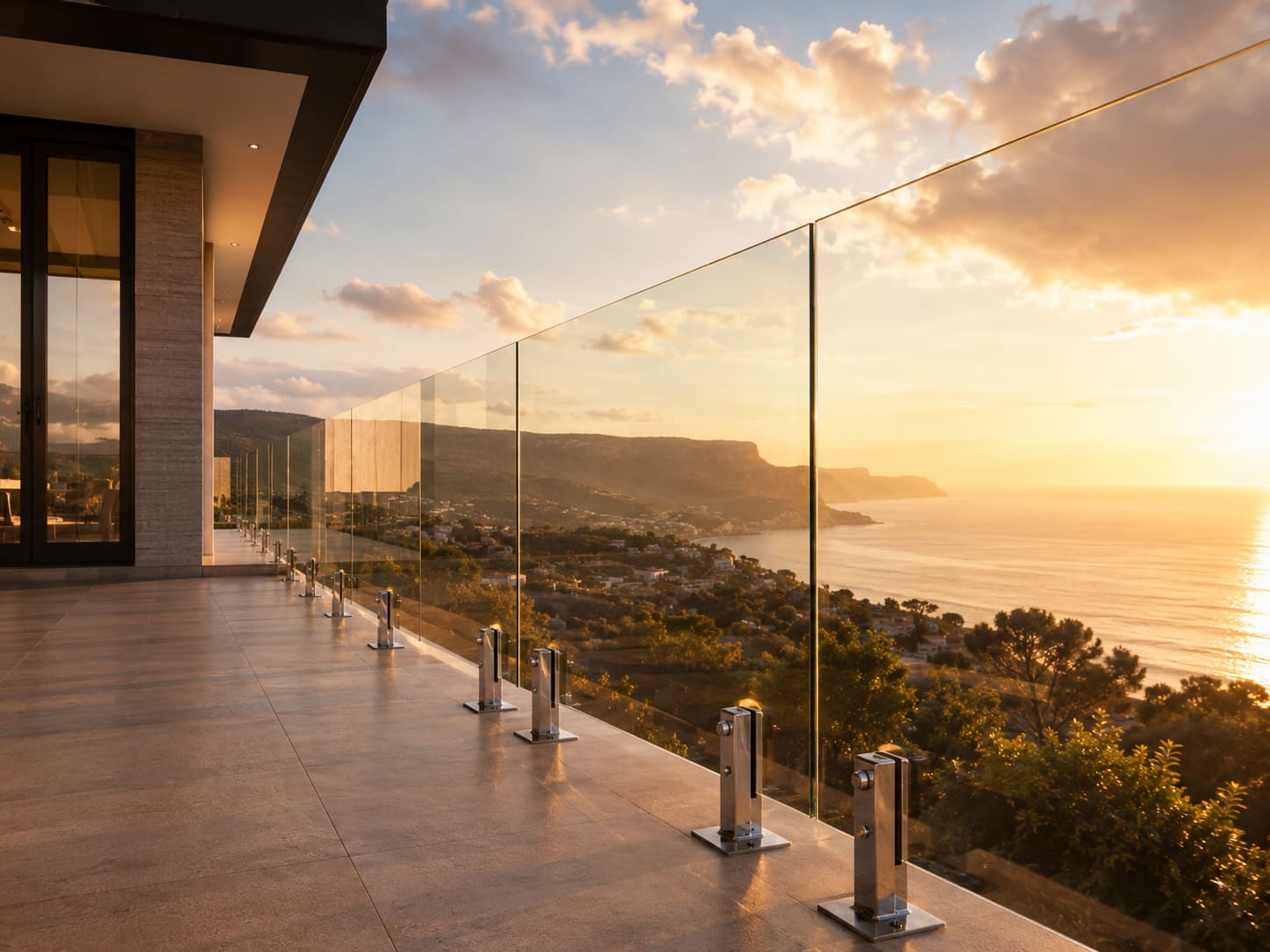
- Commercial towers: Full glass envelopes in the Financial District, Gachibowli and Hitec City rely on insulated units to stay ECBC-compliant and cool.
- Residential high-rises: Apartments in Kokapet, Narsingi and Kondapur use IGUs to cut west-sun heat and traffic noise.
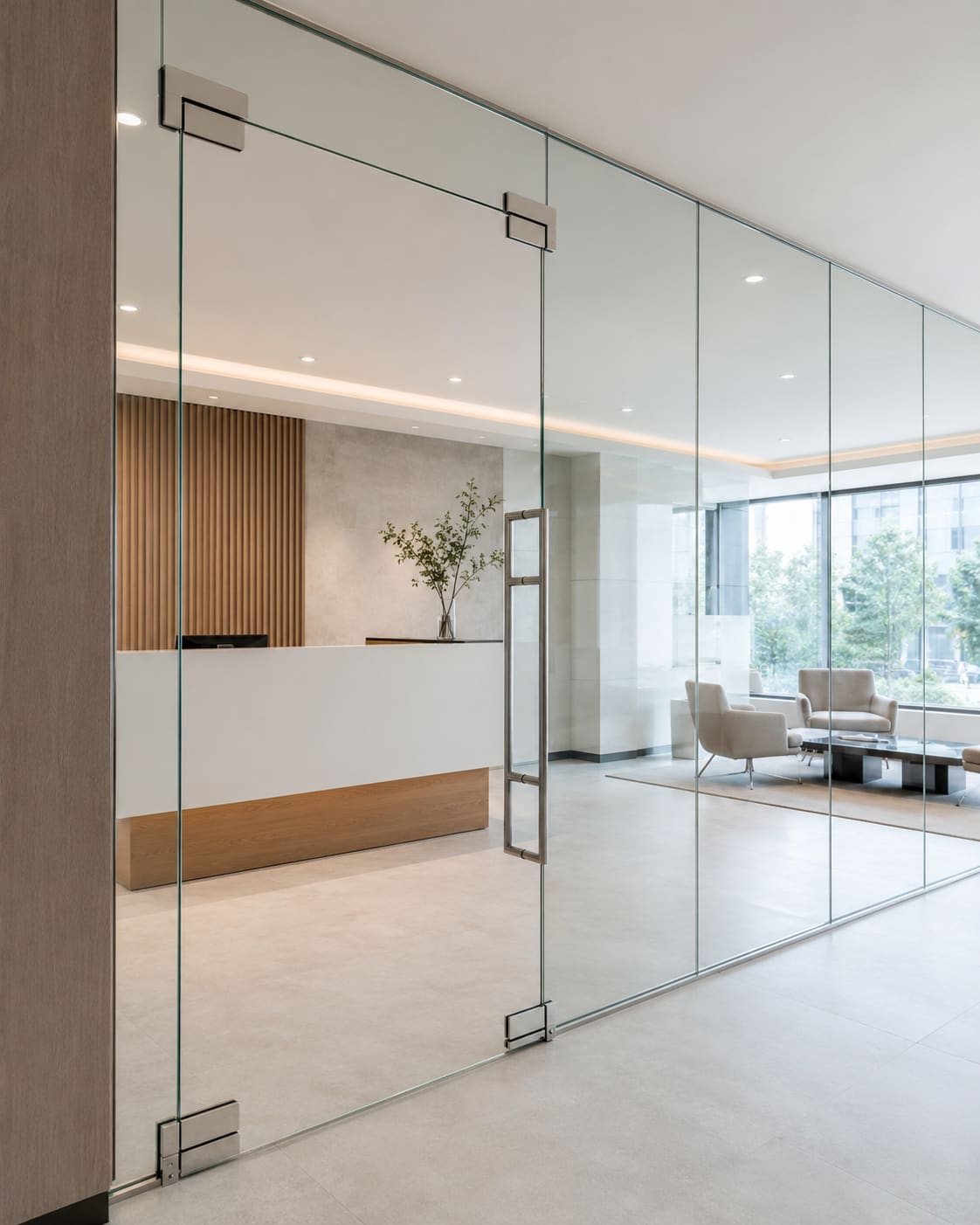
- Offices and showrooms: Storefronts and cabins pair IGUs with office front glazing for a quiet, climate-controlled interior.
- Homes and villas: Bedrooms and living rooms facing the afternoon sun benefit most from a low-e double-glazed window.
You can see the range of insulated glazing, facade and window work we have delivered across the twin cities in our project gallery, and our glass facade work service page covers system options in more detail.
Lifespan, Failure and Maintenance
A well-fabricated IGU lasts 15 to 25 years before the edge seal degrades and the unit must be replaced. Poor factory sealing, standing water and constant UV shorten that dramatically.
Seal failure is the primary end-of-life mode: once the perimeter seal breaks down, moisture enters the cavity and permanent internal condensation or fogging appears between the panes.
- Warning sign: Misting or haze inside the sealed cavity that cannot be wiped away indicates the seal has failed.
- Prevention: Quality dual seals, correct desiccant fill and shaded or drained glazing pockets extend service life in the monsoon.
- Repair: A fogged IGU cannot be resealed reliably in place; the sealed unit is replaced while the aluminium frame is retained.
- Maintenance: Keep drainage weep holes clear and inspect gaskets, as standing water accelerates secondary-seal breakdown.
If you have older units fogging up across a facade, replacing just the sealed glass rather than the whole aluminium window system is usually the most economical fix. We can survey the elevation and quote a like-for-like replacement.