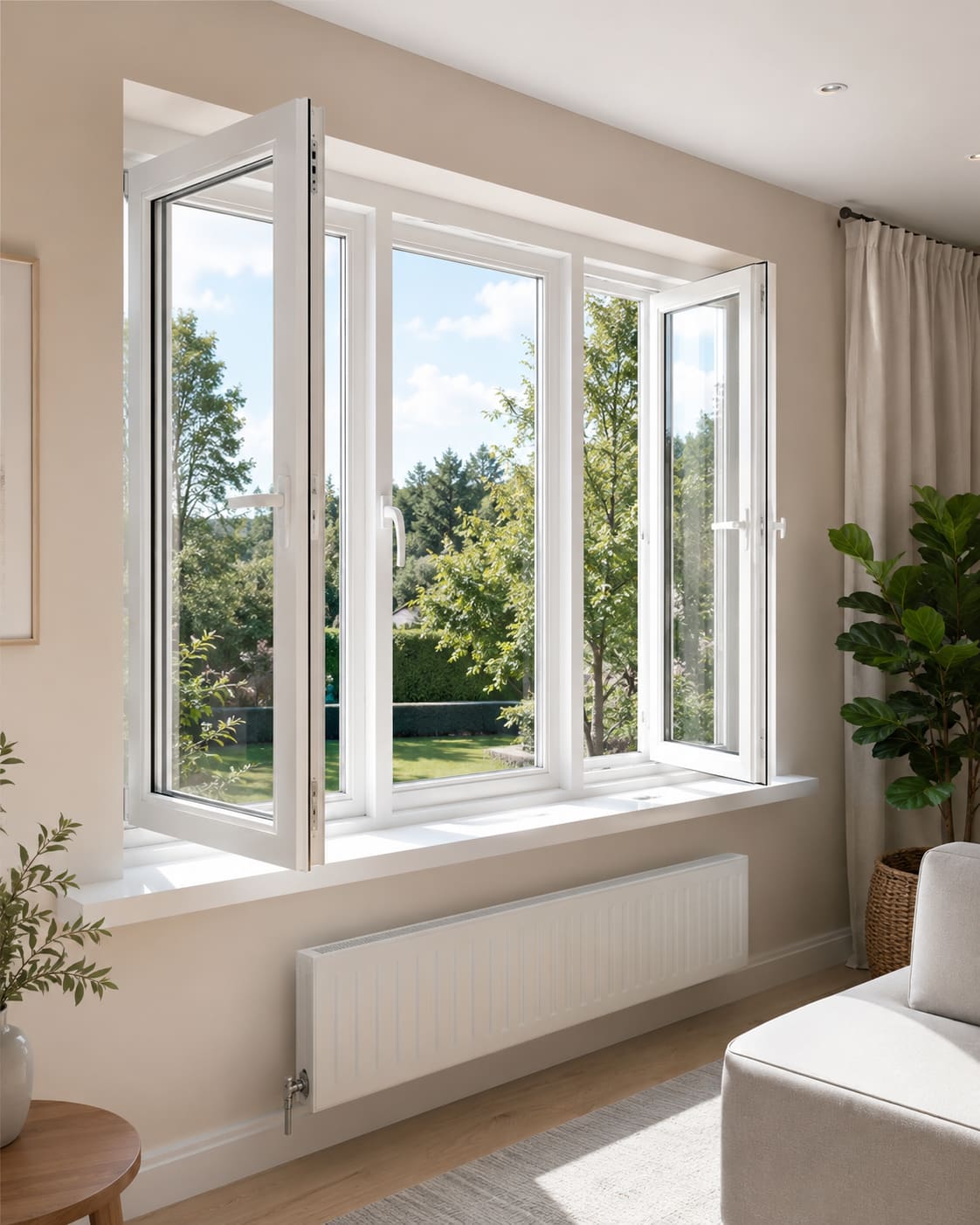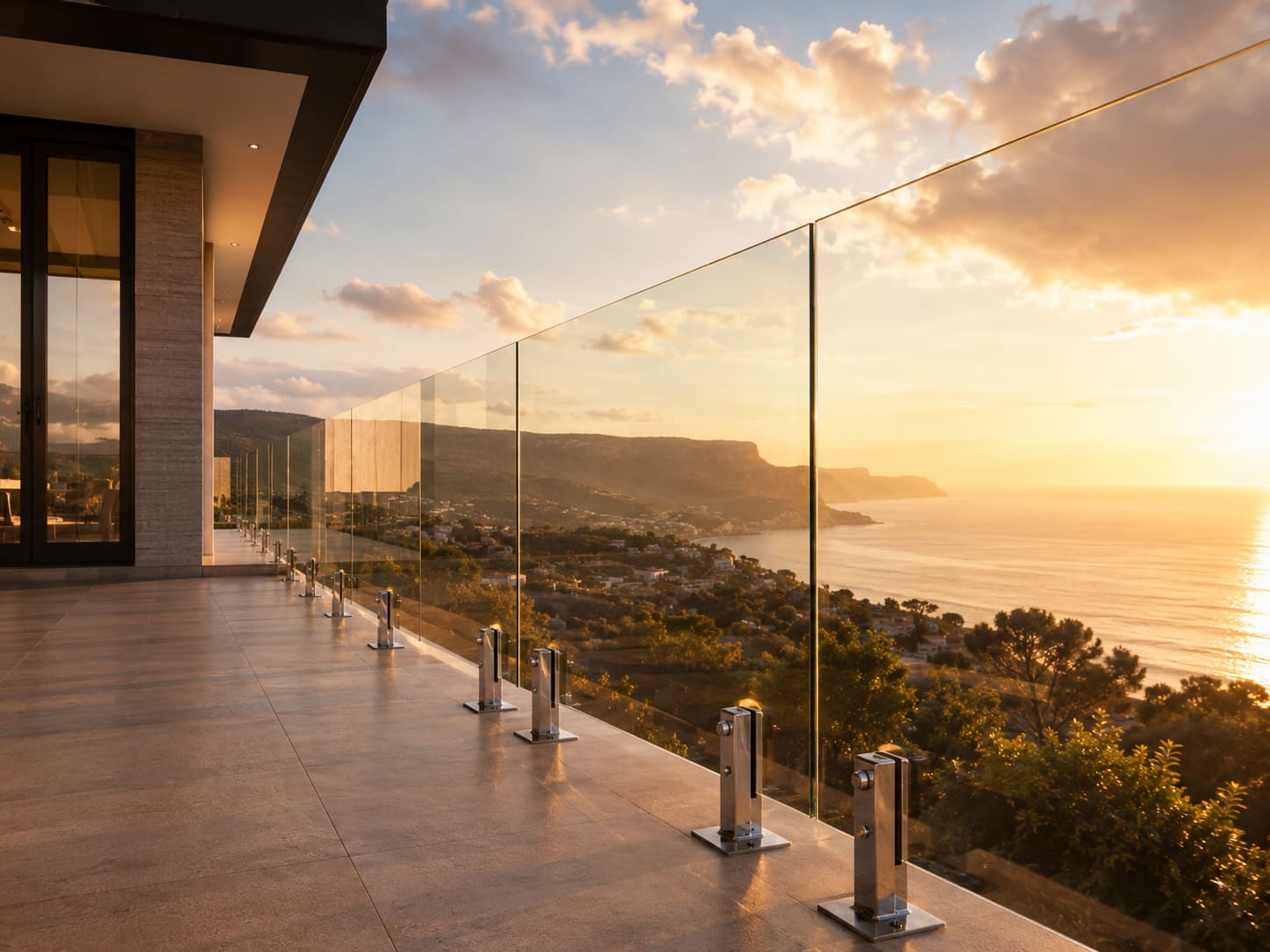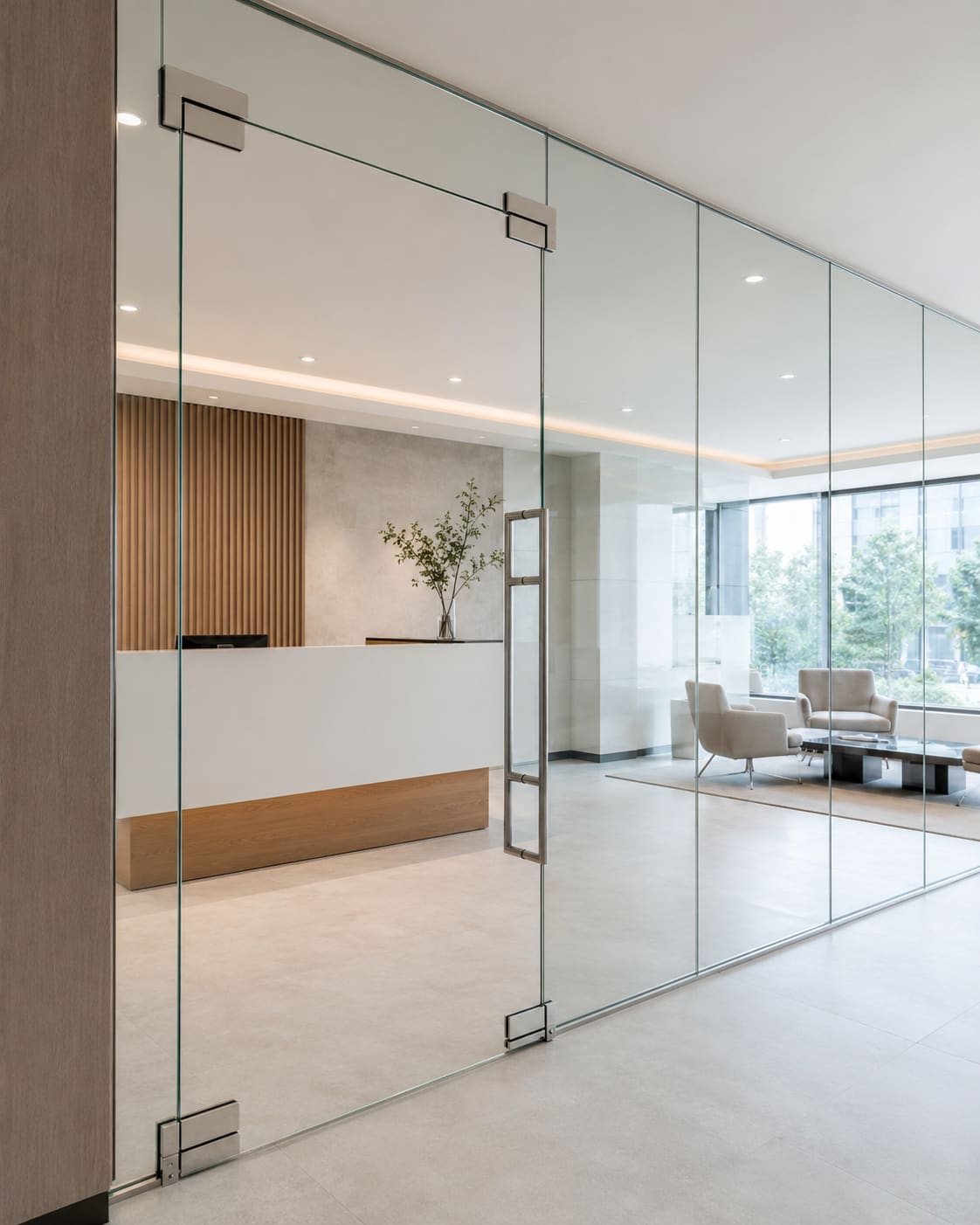
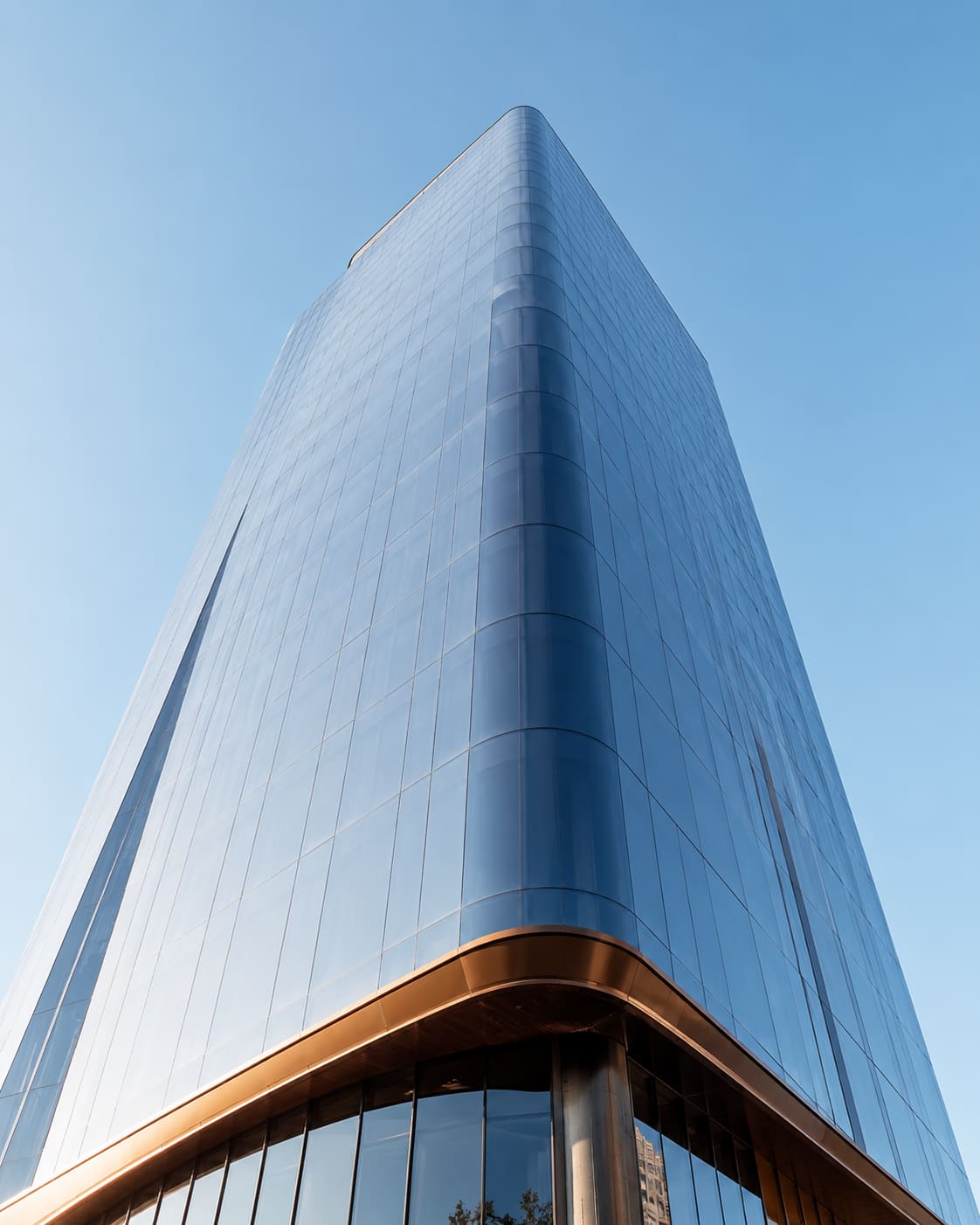
Glazing in construction is the glass component of a building's envelope - the panes fitted into windows, doors, curtain walls and facades - together with the framing, spacers and sealants that fix the glass in place and make it weathertight. The word doubles as a verb: to glaze means to install glass, so a building's glazing is both the material and the finished assembly. It is one of the most important parts of a modern building because it simultaneously controls daylight, heat gain, noise, security and appearance.
Glazing ranges from a single sheet of float glass in a domestic window to a sealed insulated glass unit (IGU) in a high-rise curtain wall, and from clear glass to coated, laminated, toughened and tinted products engineered for specific performance. In hot cities like Hyderabad and Secunderabad, where summer temperatures regularly exceed 40 C, the right glazing specification directly reduces solar heat gain, air-conditioning load and glare - which is why it is treated as a technical engineering choice rather than a purely aesthetic one.
This explainer breaks down what glazing physically consists of, the main types, the glass products used, the Indian standards that govern it, realistic Hyderabad costs, and how to choose the right system for the Telangana and Andhra Pradesh climate. If you already know what you need, you can get a free quote or browse completed glazing and facade projects for reference.
What does glazing physically consist of?
A glazing system is made up of three functional layers: the glass infill, the framing that holds it, and the sealing components that keep out water, air and dust. Each element is specified separately to meet structural, thermal and safety requirements, and a weakness in any one of them will show up as fogging, leaks or rattling within a few years.
- Glass pane: float, toughened, laminated, coated or insulated glass, commonly 4-12 mm thick per pane depending on span and wind load.
- Framing: aluminium, uPVC, steel or timber sections, or frameless spider fittings. Most Hyderabad commercial work uses aluminium; homes increasingly choose uPVC doors and windows for thermal and dust performance.
- Spacer bar: separates the panes in an IGU and holds desiccant that keeps the sealed cavity dry so it does not fog internally.
- Sealant and gaskets: structural or weather silicone, EPDM gaskets and setting blocks that bond, seal and cushion the glass against movement.
- Hardware: friction stays, multi-point locks, handles and rollers for operable windows and doors.
When any of these are cheapened - a thin spacer, a non-UV-stable silicone, undersized glass - the system fails long before its design life. This is why glazing is quoted as an engineered assembly, not just a price per square foot of glass.
What are the main types of glazing?
Glazing is classified two ways: by the number of panes (which drives insulation) and by how the glass is fixed to the structure (which drives appearance and cost). Most buildings use a mix, choosing higher-spec systems for sun-facing elevations and simpler ones elsewhere.
- Single glazing: one pane, lowest cost, poor insulation, U-value around 5.7 W/m2K for 6 mm glass. Fine for internal partitions, weak for west-facing walls.
- Double glazing: two panes with a 6-20 mm sealed cavity of air or argon; U-value typically 1.1-2.8 W/m2K. The default upgrade for comfort and AC savings.
- Triple glazing: three panes for extreme cold climates; rarely justified in Hyderabad's warm climate where solar control matters more than insulation.
- Structural glazing: glass bonded to the frame with structural silicone, giving a flush, frameless exterior favoured on Financial District and Gachibowli office towers.
- Captured (conventional) glazing: glass held by external aluminium pressure caps or beads - robust, economical and easy to reglaze.
- Frameless and spider glazing: toughened glass fixed with bolted spider fittings for lobbies, showrooms and entrances.
The same building often combines these - for example a curtain wall on the tower with glass partitions inside and aluminium doors and windows on lower floors.
Which glass types are used in glazing?
The performance of any glazing depends far more on the glass specified than on the frame, and safety glass is mandatory in doors, large panes and low-level windows. Indian safety glass is manufactured and tested to IS 2553, and choosing the wrong grade is both a safety and a compliance risk.
- Annealed float glass: standard glass; breaks into large sharp shards and is unsuitable for safety-critical locations.
- Toughened (tempered) glass: 4-5 times stronger, shatters into small blunt granules, governed by IS 2553. Used in toughened glass doors and shopfronts.
- Laminated glass: two panes bonded with a PVB interlayer that holds fragments together; used for laminated safety glass, security and acoustics, and ideal near Hyderabad's busy roads.
- Low-E (low-emissivity) coated glass: a microscopic metallic coating that reflects infrared heat while letting light through, reducing solar heat gain without a dark tint.
- Reflective and tinted glass: cuts glare and heat, widely specified on Hyderabad commercial elevations and reflective glass facades.
- Insulated glass unit (IGU): a factory-sealed double-glazed assembly combining any of the above, used across DGU facades and high-performance windows.
For a west or south elevation in Telangana, a common recommendation is a reflective or Low-E outer pane in a double-glazed unit, with a laminated inner pane where security or acoustics matter.
How is glazing fixed to a building? Framing and facade systems
How glass connects to the structure defines both the look and the engineering of a facade. On multi-storey buildings the glazing is usually part of a curtain wall - an outer skin hung off the floor slabs that carries only its own weight and wind load, not the building's structure.
- Stick systems: framing members and glass are assembled piece by piece on site. Flexible and economical for low-to-mid-rise projects; see stick curtain wall.
- Unitized systems: large factory-assembled panels are craned into place, giving faster, higher-quality installation on tall towers via unitized curtain wall construction.
- Spandrel glazing: opaque spandrel panels conceal floor slabs and services between the vision glass so the facade reads as continuous glass.
- Cable and spider facades: minimal-framing systems using tensioned cables or bolt-fixed spiders for dramatic transparent entrances and atriums.
For low-rise homes, showrooms and offices the same principles apply at smaller scale, whether it is an office glass front or a toughened glass shopfront. The right system depends on building height, wind zone, budget and the finish you want.
What standards and codes govern glazing in India?
Glazing in India is regulated by national building, safety and energy codes that set requirements for strength, wind resistance and thermal performance. Compliance is what separates engineered glazing from unregulated glass fitting, and it matters for occupancy certificates and insurance.
- National Building Code of India (NBC) 2016: overall design, fire and safety provisions for glazed facades.
- IS 2553: safety glass standard covering toughened and laminated products.
- IS 875 Part 3: wind loads used to size glass thickness and framing for a building's height and location. Hyderabad falls in a moderate wind zone, but tall towers still need proper load calculation.
- Energy Conservation Building Code (ECBC): limits on solar heat gain coefficient (SHGC) and U-value for commercial buildings.
- BEE star ratings: energy labelling that increasingly influences glazing specification on large projects.
- ASTM C1401: international guide for structural silicone glazing design and sealant selection.
On any sizeable facade it pays to involve facade consultancy early so that glass, framing and sealant are designed together against these codes rather than retrofitted to pass inspection.
How much does glazing cost in Hyderabad?
Glazing is priced as a supply-and-fit rate per square foot that bundles glass, framing, sealant, hardware and installation. Rates vary with glass specification, frame system, floor height and access, so treat the figures below as indicative Hyderabad market ranges rather than fixed quotes.
- Single glazing (aluminium or uPVC window): roughly INR 350-600 per sq ft.
- Double-glazed IGU windows: around INR 800-1,800 per sq ft depending on coatings and frame.
- Structural and curtain-wall facades: often INR 1,200-2,500+ per sq ft depending on glass, framing system and building height.
- Frameless spider and cable facades: premium rates above standard structural glazing due to bespoke fittings and toughened glass.
Three factors move these numbers most: the glass build-up (a laminated Low-E DGU costs far more than clear single glass), the framing system (unitized beats stick on speed but costs more upfront), and site access on tall buildings. For an accurate figure on your project, it is best to request a site measurement and quote rather than rely on averages.
Which glazing is best for Hyderabad's climate?
Hyderabad, Secunderabad and the wider Telangana and Andhra Pradesh region present three glazing challenges at once: intense summer heat above 40 C, a heavy monsoon that tests every seal, and airborne dust that clogs tracks and etches glass. The right specification tackles all three.
- Solar heat: prioritise low SHGC glass (0.25-0.40) using Low-E or reflective coatings so west and south elevations in areas like Kokapet, Madhapur and Kondapur do not overheat.
- Monsoon: insist on properly designed weather seals, drainage and structural silicone rated for UV and water - this is where cheap glazing leaks first.
- Dust: sealed IGUs and good gasketing keep fine dust out of the cavity and rooms, and uPVC or well-sealed aluminium frames resist track clogging.
- Noise: near arterial roads and Hitec City traffic, a laminated inner pane in a DGU noticeably cuts sound.
In practice, a reflective or Low-E double-glazed unit on sun-facing elevations, plain toughened or laminated glass on shaded sides, and quality sealants throughout gives the best balance of comfort, energy saving and durability. If you are weighing options, our guide on structural glazing versus a curtain wall explains where each system fits.
Hakimi Aluminium and Glass designs and installs single, double, structural and frameless glazing across Hyderabad, Secunderabad, Gachibowli, the Financial District and the wider Telangana region.
How long does glazing last and how is it maintained?
A well-installed glazing system lasts 20-30 years, but different components age at different rates and planned maintenance extends the whole assembly's life. The glass itself effectively lasts indefinitely; it is the seals, coatings and hardware that need attention.
- IGU edge seals: may fog or fail after 15-20 years, at which point the affected unit is reglazed rather than the whole facade replaced.
- Structural silicone: high-grade sealant is designed for the full facade life but should be inspected periodically for cracking or adhesion loss.
- Hardware: hinges, stays and rollers on operable windows are the most frequently serviced parts, especially where dust is heavy.
- Cleaning: regular washing with mild detergent preserves coatings; abrasive cleaners and hard-water scale are the main enemies of clarity.
Routine checks after each monsoon - looking for seal cracking, water ingress and stiff hardware - catch small problems before they become expensive facade repairs. For anything structural, an inspection by a qualified installer is worth the modest cost.