Aluminium fabricators in Secunderabad are the workshops and contractors who cut, join, glaze and install aluminium windows, doors, partitions and facades to your exact measurements, typically charging between Rs 350 and Rs 750 per square foot for standard powder-coated work and Rs 900 to Rs 1,600+ per square foot for premium branded or thermal-break systems in 2026. The best fabricators serving Secunderabad and Hyderabad handle the whole job in-house, from site measurement and section selection to glass, hardware, powder coating and final installation, so you deal with one accountable team from quote to fitting. If you want a single point of contact, look for a specialist that combines its own aluminium fabrication with a proper aluminium windows line and stocks branded rollers, gaskets and locks.
Because Secunderabad shares Hyderabad's climate of 40C-plus summers, dusty pre-monsoon winds and a heavy July to September monsoon, the fabrication choices you make here matter more than they would in a milder city. A window that looks perfect in a Kukatpally showroom can leak, rattle or fade within two monsoons if the section grade, gaskets, drainage or finish are wrong. This guide explains exactly what a good fabricator does, realistic twin-city pricing per square foot, the hardware that separates a Rs 400 window from a Rs 1,200 one, and the precise questions to ask before you hire anywhere from Secunderabad and Trimulgherry to Gachibowli, Kondapur and the Financial District.
As a glass, aluminium and facade specialist working across Hyderabad, Secunderabad, Telangana and Andhra Pradesh, we see the same avoidable mistakes on nearly every rework job: undersized sections, cheap pressed-tin rollers, missing weep-hole drainage and thin powder coating. Getting the fundamentals right the first time usually costs 10 to 20 percent more but saves years of leaks and service callbacks. You can always get a free quote and compare a proper written specification against a low-ball number before you commit.
What aluminium fabricators in Secunderabad actually do
Aluminium fabricators in Secunderabad take raw aluminium sections and glass and turn them into finished, installed products cut to your exact openings. A full-service fabricator owns the entire chain rather than just supplying material, which is what keeps waterproofing and alignment their responsibility instead of yours. When one team selects the section, glazes the glass and fits the frame, there is nobody to pass blame to if a joint leaks two monsoons later.
- Site measurement and technical advice for your openings, elevations and load conditions
- Fabrication of sliding and openable windows, doors, ventilators and partitions
- Glazing with clear, tinted, reflective, toughened or double-glazed (DGU) units
- Powder coating or anodising, plus mesh shutters, locks, rollers, handles and gaskets
- Structural glazing and ACP facade work for shops, showrooms and offices
- Installation, sealing, drainage and post-fitting service across the twin cities
For homes in Banjara Hills or Jubilee Hills and offices in HITEC City, Madhapur or Kokapet, insist on a fabricator who both makes and installs rather than one who resells material and sub-contracts the fitting. A quick look through our recent projects is one way to judge whether a provider genuinely covers the full scope or simply passes your job down the line. Browsing our services also shows whether the same firm can handle windows, doors, partitions and facades under one roof.
Realistic aluminium fabrication pricing in Hyderabad and Secunderabad (2026)
Expect to pay Rs 350 to Rs 750 per square foot for standard aluminium windows and doors in Secunderabad, and Rs 900 to Rs 1,600+ per square foot for premium systems with thermal breaks, toughened or double glazing in 2026. Prices move with section brand, glass thickness, hardware quality and finish, so two quotes carrying the same headline rate can hide very different specifications underneath.
- Basic domestic sliding windows (2-track, 4mm plain glass): Rs 350 to Rs 550 per sq ft
- Powder-coated openable/casement windows with mesh: Rs 500 to Rs 800 per sq ft
- Premium branded systems (thermal-break, 3-track, DGU): Rs 900 to Rs 1,600+ per sq ft
- Aluminium office partitions: Rs 250 to Rs 600 per sq ft
- Structural glazing / ACP facade: Rs 300 to Rs 900 per sq ft depending on system
- Toughened glass upgrade: add roughly Rs 45 to Rs 90 per sq ft of glass
- Double-glazed (DGU) upgrade: add roughly Rs 120 to Rs 250 per sq ft of glass
Always confirm whether the quote includes toughened glass, powder-coating micron thickness (60 to 80 microns is ideal for Hyderabad dust and sun) and installation, because the cheapest quotes routinely exclude one or more of these. A window priced at Rs 380 per sq ft with 40-micron coating, thin plain glass and unbranded rollers is not actually cheaper than a Rs 520 window built to last; it is simply a deferred bill. If you want a spec-for-spec comparison against your other numbers, ask a proper aluminium fabrication specialist to itemise every line before you sign.
Sliding vs openable systems: choosing the right window
Choose sliding windows for balconies, kitchens and compact rooms, and openable casement windows where you want maximum ventilation and the tightest monsoon seal. Both are made from the same family of aluminium sections but behave very differently in Hyderabad's heat, dust and wind-driven rain.
Sliding windows use 2-track or 3-track systems that move on rollers, so the shutters never intrude into the room and suit tight spaces in apartments across Kukatpally, Miyapur and Kondapur. The trade-off is that only half the opening is ever clear at once, and cheap rollers are the single most common cause of jamming a year or two later.
Openable and casement windows swing on hinges or friction stays and can open across the full width, giving better airflow and a stronger gasket seal against wind-driven rain, which makes them ideal for bedrooms and higher floors. They rely on good multi-point locking and quality handles to stay weathertight over years of daily use.
- Sliding: space-saving, easy to operate, best for balconies, kitchens and narrow rooms
- Openable/casement: full ventilation and the tightest seal, best for bedrooms and upper floors
- Ventilators and top-hung units: for bathrooms, kitchens and above-door gaps
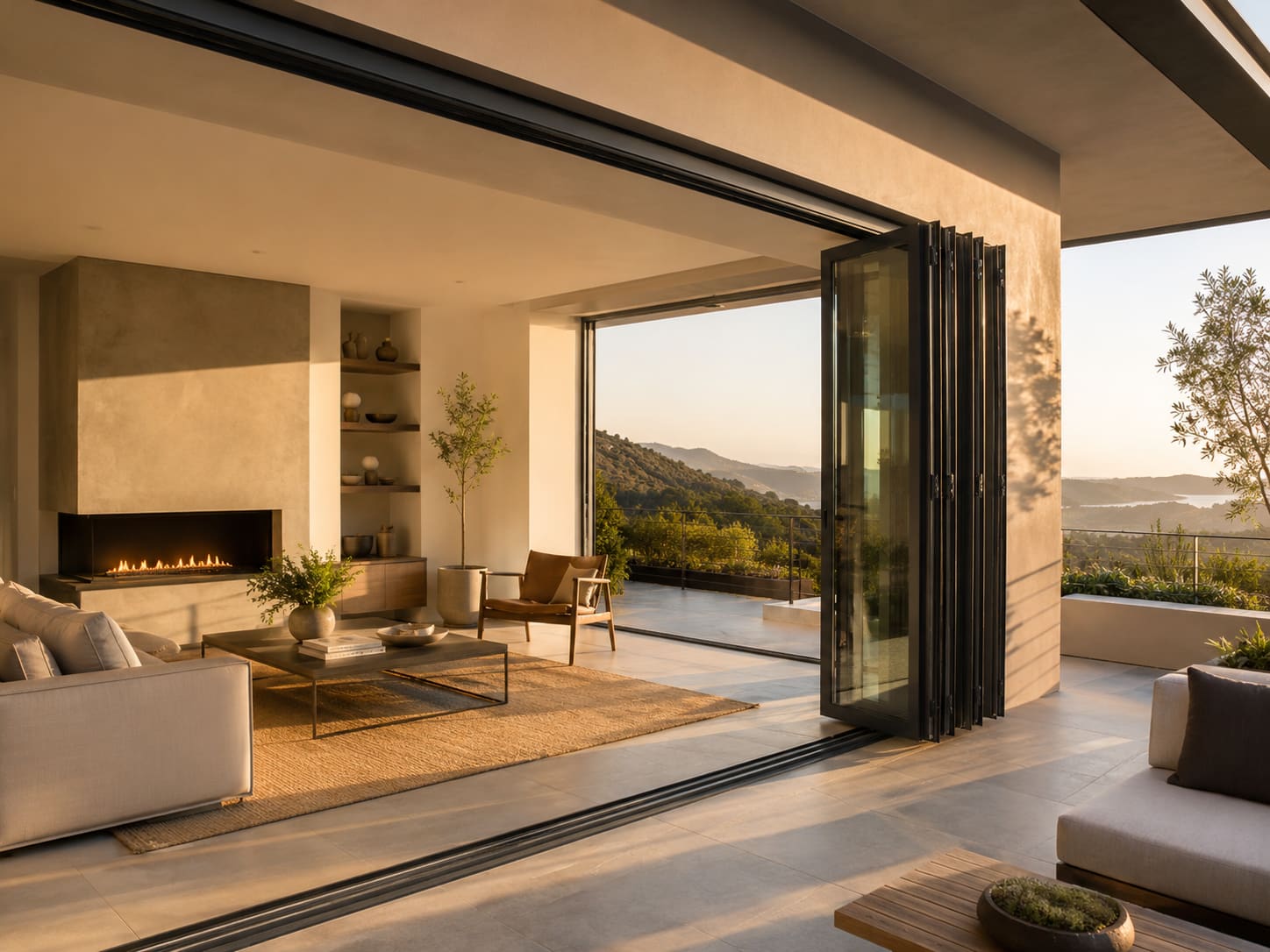
For large living-room spans, a 3-track slider or a slim sliding-door system keeps sightlines clean while letting you stack shutters neatly to one side. A specialist aluminium windows team can advise which configuration suits each opening rather than fitting the same system everywhere.
Sections, grades and finishes that survive the twin-city climate
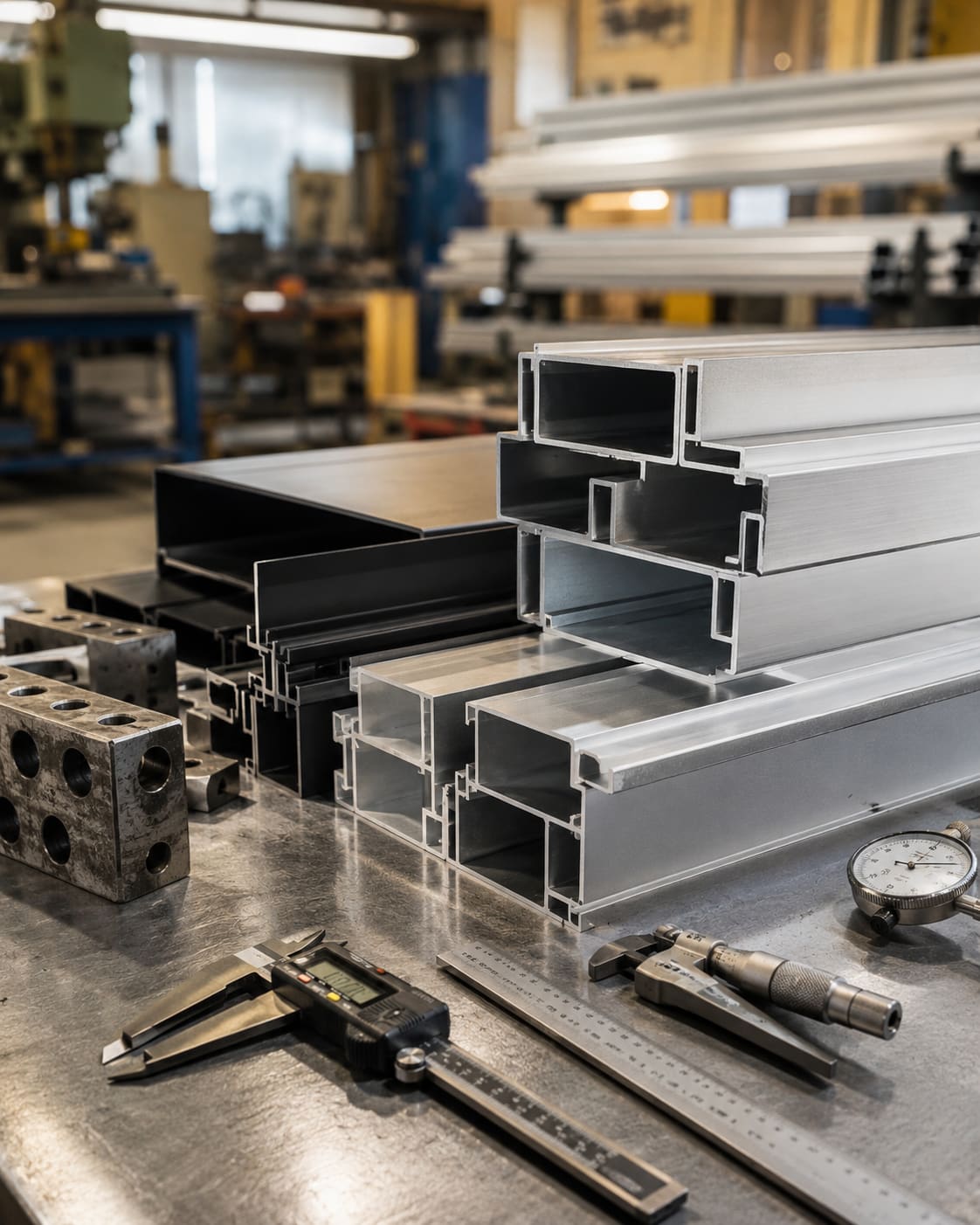
The single biggest quality difference between fabricators is the aluminium section itself: its wall thickness, whether it is virgin metal rather than scrap remelt, and how it is finished. Thin, brittle sections flex, leak and sag under the weight of toughened or double-glazed glass, and no amount of good hardware fixes a weak profile.
- Ask for the section brand and grade, and confirm it is virgin aluminium, not recycled remelt
- Wall thickness of 1.2 to 1.6mm suits most residential windows; go heavier for large doors
- Powder coating should be 60 to 80 microns for UV, dust and fade resistance
- Anodising (15 to 25 microns) is an alternative premium finish with a metallic look
- For coastal-influenced Andhra sites or high-dust locations, insist on a colour-fastness warranty
In Secunderabad's dust belt around the cantonment and industrial pockets, the finish matters as much as the metal. A well-cured 70-micron powder coat still looks new after five summers, while a thin 40-micron job chalks and fades within a couple of years. When in doubt, ask to run a fingernail and a coin test on a coated sample, and compare the section weight in your hand against a branded one. A good aluminium fabrication workshop will happily show you the profile grade and the coating certificate rather than getting vague about it.
Hardware matters: rollers, gaskets, locks and closers
Hardware is where most windows quietly fail. The section can be perfect, but cheap rollers, thin gaskets and rusting locks will still cause jamming and leaks within a monsoon or two. Branded hardware is genuinely the cheapest insurance in the whole job, usually adding only a small fraction to the total while preventing the most expensive callbacks.
- Rollers: stainless or nylon-encased bearings rated for the shutter weight, never pressed-tin wheels
- Gaskets: EPDM rubber, not cheap PVC, so they stay flexible through 40C summers and monsoon damp
- Locks: multi-point locking for security and even sealing pressure across the shutter height
- Handles: corrosion-resistant handles rated for daily residential or commercial use
- Doors: floor springs and overhead closers sized for heavy glass and aluminium doors
- Frameless glass: patch fittings and spider fittings for entrances, showrooms and facades
Names like Taiton, Enox and Ozone are worth asking for by name, because their rollers, gaskets and locks are what keep a shutter gliding and sealed year after year. A good fabricator will list every brand and part in writing; a weak one gets vague the moment you ask which roller or gasket they actually use. Insisting on this one detail is often the difference between a window that lasts a decade and one you are servicing every monsoon.
How to choose the right fabricator in the twin cities
Choose an aluminium fabricator in Secunderabad by verifying their finished work, materials and after-sales support rather than price alone. A slightly higher quote from a fabricator who uses quality EPDM gaskets and branded hardware saves you leaks and jammed rollers later, and repeat callbacks always cost more than doing the job right once.
- Ask to see installed projects nearby in Secunderabad, Kukatpally, Gachibowli or Kondapur
- Confirm the section brand and grade, and whether it is virgin aluminium
- Check powder-coating micron thickness and the colour warranty against fading
- Ensure they use EPDM gaskets and quality rollers rated for monsoon sealing
- Get a written quote listing glass type, thickness, hardware brand and finish separately
- Confirm the installation timeline and a service warranty in writing
- Check GST invoicing and whether measurement and site visits are free in your locality
For offices and retail, also confirm experience with glazed fronts and partition systems, since these need proper closers, floor springs and structural fixings that residential-only shops may not stock or install correctly. Looking through our recent projects across the twin cities is a fast way to see whether a fabricator has actually delivered work at the scale and finish you need, rather than just promising it.
Getting fabrication right for Hyderabad's climate
Good fabricators design for Hyderabad's heat, dust and monsoon from the very start rather than fixing problems afterwards. The twin-city climate, shared across Telangana and neighbouring Andhra Pradesh, is the single biggest reason to avoid the cheapest option, because the corners that get cut are exactly the ones the weather exposes.
- Use toughened or double-glazed units on west and south facades to cut summer heat gain
- Choose interlocks and EPDM gaskets that block wind-driven monsoon rain at the meeting rails
- Specify 60 to 80 micron powder coating or anodising to resist UV fading and dust
- Add fine-mesh shutters to keep out dust and insects during the long dry months
- Insist on proper sill slope and weep-hole drainage so water flows outward, never inward
Double-glazed units also cut outside noise, which is well worth it near busy corridors like the Outer Ring Road, Paradise circle or the Secunderabad railway junction. Pair the right glass with correct drainage and gaskets and you get windows that stay dry, quiet and cool through every season, from the peak of a Telangana summer to the heaviest monsoon downpour.
Common mistakes to avoid before you sign
Most window regret in the twin cities comes from a handful of predictable mistakes, and almost all of them are baked in at the quotation stage rather than during installation. Knowing them lets you catch a weak quote before any money changes hands.
- Comparing only the per-square-foot rate while ignoring section grade, glass and hardware
- Accepting 40-micron powder coating that chalks and fades within two Hyderabad summers
- Allowing plain float glass in large west-facing openings instead of toughened glass
- Skipping weep holes and sill slope, which turns every heavy monsoon shower into a leak
- Letting the quote stay vague on roller, gasket and lock brands so cheaper parts slip in
- Paying the full amount upfront instead of a staged advance-and-balance structure
The fix for all of these is the same: an itemised written quote and a fabricator willing to name every material. If a quote lists only "aluminium sliding window, Rs 420/sq ft" with no section, glass, coating or hardware detail, treat that as a warning sign and ask for the specification in writing before you go any further.
Timelines, warranty and what to expect after you sign
Most residential aluminium fabrication jobs in Secunderabad take 7 to 15 days from confirmed measurement to installation, while larger office glazing or facade work runs 3 to 6 weeks. Knowing the sequence helps you hold the fabricator to a realistic schedule instead of an optimistic promise.
- Day 1 to 2: final site measurement and a signed quotation with full specifications
- Day 2 to 5: section cutting, glass toughening and powder coating
- Day 5 to 12: assembly, glazing and hardware fitting in the workshop
- Day 12 to 15: on-site installation, sealing, drainage check and cleanup
Expect a written warranty, typically 1 year on fabrication and installation workmanship, with the glass, hardware and powder coating each carrying their own manufacturer warranties. A 30 to 50 percent advance with the balance on installation is normal across the twin cities, so be cautious of anyone demanding full payment upfront. When you are ready to compare a proper specification against your other numbers, get a free quote and ask for it itemised line by line so you are genuinely comparing like for like.