In the aluminium vs uPVC debate for Hyderabad homes, uPVC windows are the better all-round choice for indoor comfort because they insulate against summer heat, seal out dust and monsoon rain, and cut street noise, while aluminium windows are the smarter pick for large spans, sleek modern facades and high-rise apartments where slim, strong frames matter most. Neither material is universally best: the right window frame for your Hyderabad home depends on which room, which floor and which side of the building you are glazing across the twin cities.
In localities like Gachibowli, HITEC City, Kondapur and Kokapet, we see families choosing uPVC windows for bedrooms and living rooms that face west or a busy road, and aluminium windows for balcony sliders, tall glazing and gated-community facades in the Financial District and Jubilee Hills. Both frames are only as good as the sealing gaskets, sliding rollers and locking hardware fitted inside them, which is where the real difference in day-to-day performance actually shows up.
This guide compares aluminium and uPVC on the factors that genuinely matter in Hyderabad, Secunderabad and across Telangana and Andhra Pradesh: heat, dust, rain, noise, cost, strength, security and lifespan. By the end you will know exactly which frame belongs in which room, what to budget per square foot in rupees, and how to avoid the cheap-profile traps that waste money. When you are ready, you can get a free quote for an on-site measurement anywhere in the twin cities.
Aluminium vs uPVC at a glance: which wins on what
uPVC and aluminium are the two dominant window frame materials in Indian homes, and each wins clearly on a different set of criteria. uPVC (unplasticised polyvinyl chloride) is a rigid, hollow, multi-chamber plastic profile reinforced with galvanised steel; aluminium is an extruded metal profile that is far stronger but conducts heat readily unless it has a thermal break. Understanding that basic difference explains almost every trade-off below.
The material science is simple: uPVC is a natural insulator, so it resists the flow of heat and sound, while raw aluminium is an excellent conductor. That single property is why uPVC feels more comfortable indoors, and why aluminium can carry bigger glass on slimmer frames.
- Comfort and insulation: uPVC wins on heat, dust, rain sealing and noise for standard-sized windows.
- Strength and design: aluminium wins on large spans, tall glazing, slim sightlines and modern facades.
- Upfront cost: standard aluminium is cheaper to buy; uPVC costs more but saves on cooling.
- Maintenance: uPVC needs little more than wiping; aluminium hardware wants occasional attention after the monsoon.
- Best result: many Hyderabad homes use both, matching the frame to each room rather than forcing one material everywhere.
How each frame handles Hyderabad heat, dust and monsoon
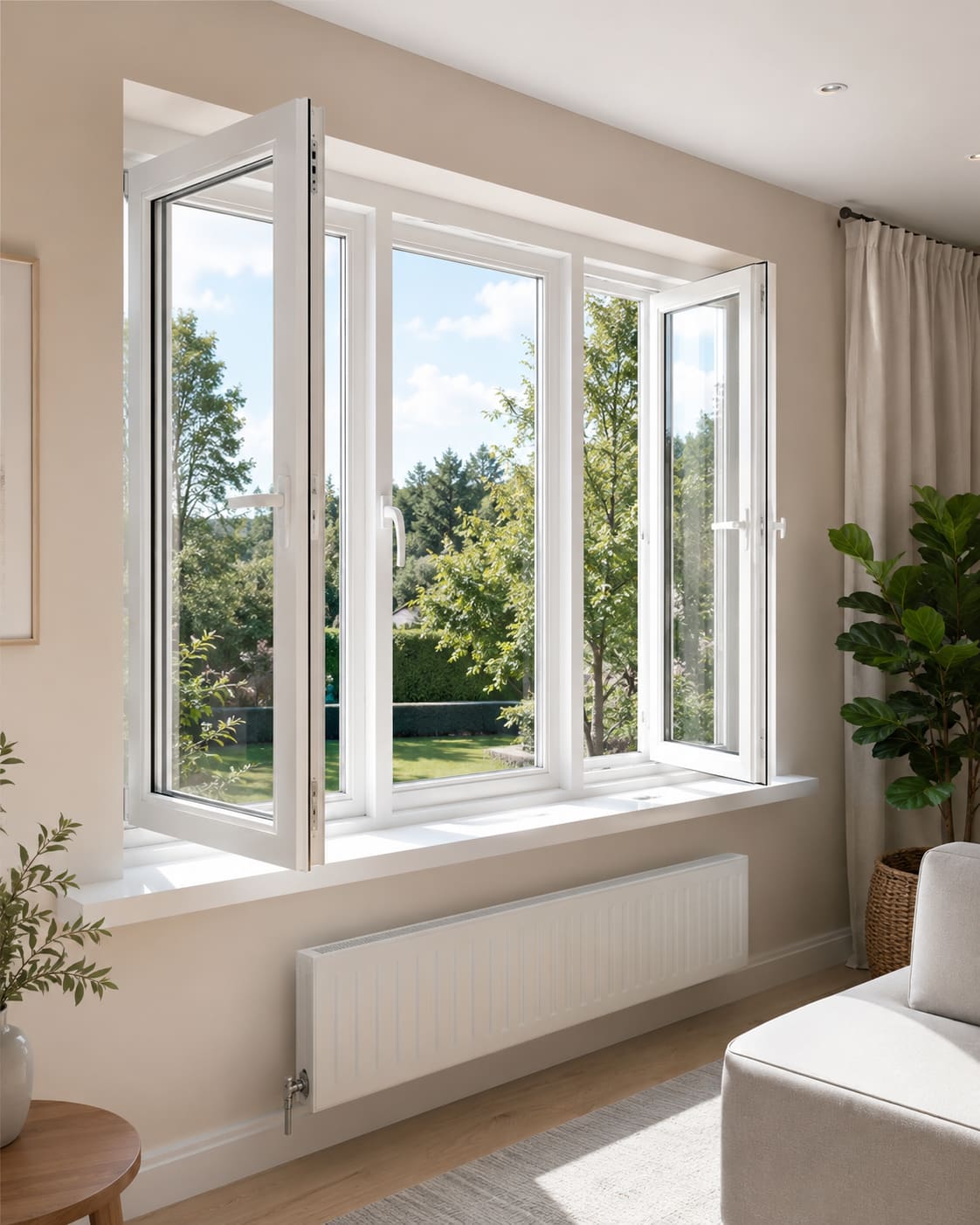
uPVC handles Hyderabad's climate better on comfort, because the frame does not conduct heat and its multi-point seals block dust and monsoon water more tightly than standard aluminium. With summer highs of 40-44 degrees Celsius from April to June and a heavy June-to-September monsoon, this directly affects how hot a room gets, how much grime settles on your sills, and how hard your air conditioner has to work.
For west-facing and south-facing rooms that take the brunt of the afternoon sun, this is the single biggest reason homeowners in Kukatpally, Madhapur and Miyapur lean towards uPVC. If you prefer the look of metal on those elevations, thermally-broken aluminium with a polyamide barrier narrows most of the gap, but it costs more than plain aluminium.
- Heat: uPVC keeps west-facing rooms noticeably cooler; plain aluminium conducts outdoor heat straight indoors unless you pay extra for a thermal break.
- Dust: Hyderabad's dry-season dust settles fast, and uPVC's EPDM rubber gaskets seal better, meaning less grime on sills along high-traffic corridors like Banjara Hills and the ORR service roads.
- Monsoon: uPVC's fusion-welded corners and built-in drainage channels resist rain leakage; aluminium relies on quality gaskets and precise installation to stay watertight.
- Corrosion: uPVC never rusts, while aluminium resists corrosion well but its screws and fittings can pit over years of humid monsoon exposure unless stainless-steel hardware is used.
Strength, spans and design: where aluminium windows win
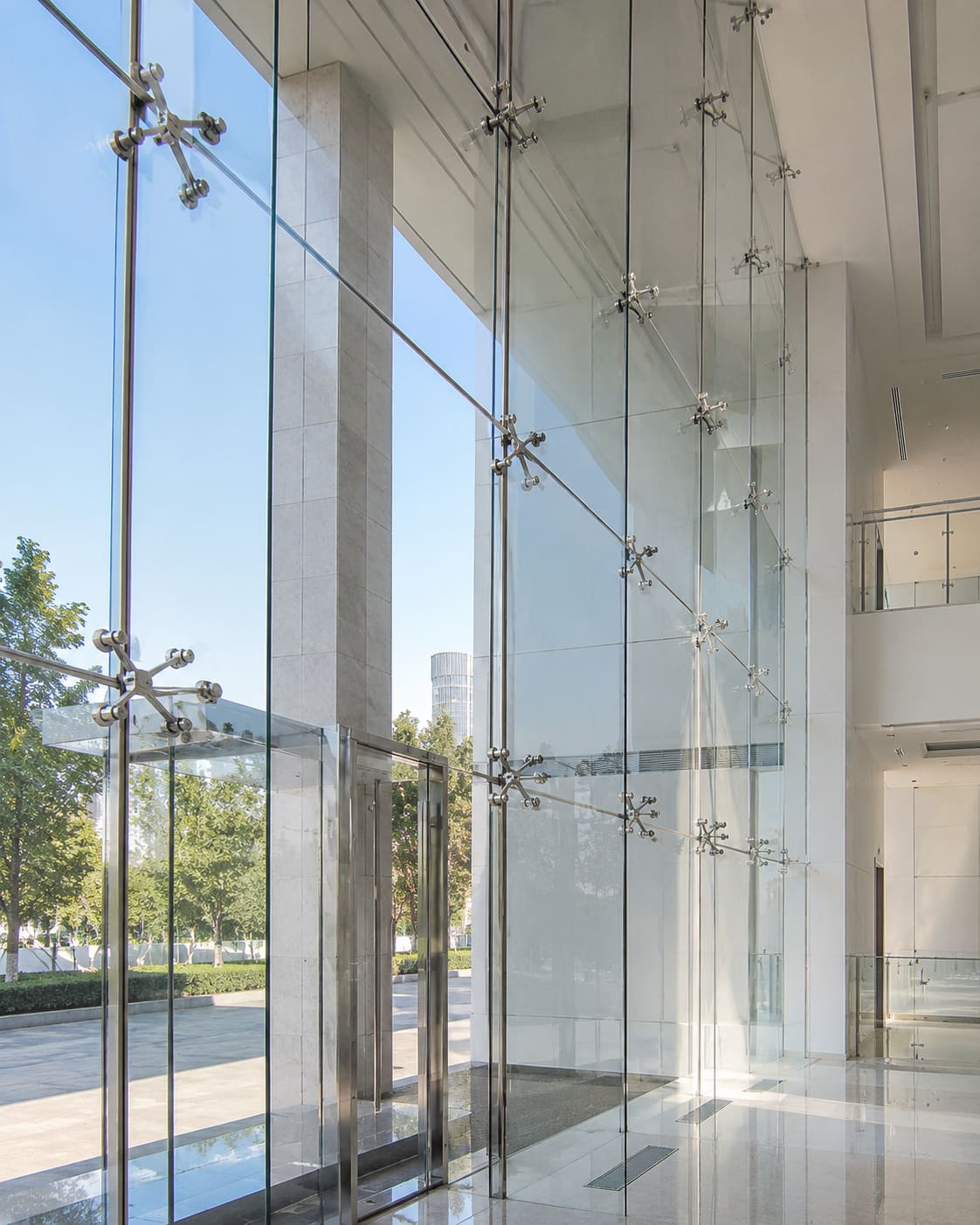
Aluminium wins for large openings, tall glazing and modern minimal facades, because the metal is far stronger than uPVC and supports bigger glass panes with much slimmer sightlines. For high-rise apartments in the Financial District and Kokapet, that strength also matters for the higher wind loads a window faces at height, and it is why architects across Telangana specify aluminium for showcase glazing and structural facades.
If your project involves floor-to-ceiling views, big balcony sliders or a contemporary villa elevation, aluminium windows will almost always give a cleaner, stronger result than a uPVC unit of the same size. You can see how this plays out in real homes and towers across the twin cities in our recent projects.
- Slim frames: aluminium gives narrow profiles and more visible glass, ideal for balcony sliders and floor-to-ceiling views in Jubilee Hills and Banjara Hills homes.
- Big spans: a single aluminium slider can span 8-10 feet without sagging; uPVC needs steel reinforcement and extra mullions at that size, which eats into the glass area.
- Finishes: aluminium takes powder coating and wood-finish anodising in almost any colour, suiting contemporary villa facades in Kokapet and Tellapur.
- Structural glazing: aluminium underpins curtain walls and spider-fitted glass walls that uPVC simply cannot carry.
- uPVC's limit: uPVC is plenty for standard bedroom and kitchen windows, but on very large units it becomes bulky, heavily reinforced and expensive.
uPVC windows Hyderabad price vs aluminium: cost, lifespan and maintenance
Expect to pay roughly 450-750 rupees per square foot for standard aluminium windows and 550-950 rupees per square foot for good uPVC windows in Hyderabad and Secunderabad, with premium thermally-broken aluminium and high-end multi-chamber uPVC running higher. uPVC usually costs 15-30 percent more upfront but pays that back through lower cooling bills over the years.
Remember that these are frame-and-standard-glass figures. Upgrades such as double glazing, laminated safety glass, insect mesh and premium locking hardware add to the total, so always base your budget on a site measurement rather than a rough per-square-foot number. A proper itemised quote is the only way to compare two suppliers fairly.
- Aluminium: lower entry price, 20-30 year lifespan, occasional re-coating and gasket replacement; hardware may need attention after monsoon years.
- uPVC: higher upfront cost, 15-25 year lifespan on quality lead-free profiles, minimal maintenance beyond wiping frames and clearing drainage holes.
- Running cost: uPVC's insulation trims the AC load through Hyderabad summers, often recovering the price difference within three to five years in west-facing rooms.
- Beware cheap uPVC: very low quotes often use thin, non-reinforced profiles that warp under direct 44-degree sun, so always check profile brand, wall thickness and internal steel reinforcement.
- Hidden cost of hardware: cheap rollers, locks and closers fail long before the frame does and are the most common reason for callbacks, so never cut corners there.
Noise insulation for road-facing homes in the twin cities
For noise, uPVC has a clear edge on comfort because its insulating multi-chamber profile and tight gaskets dampen traffic and construction noise better than a standard aluminium frame with the same single glazing. This matters on busy corridors like the ORR, NH-44, the Gachibowli flyover and the arterial roads through Ameerpet and Dilsukhnagar, where sleep-disturbing road noise is a daily complaint.
That said, the glass does most of the heavy lifting on sound. Pairing either frame with double glazing or laminated acoustic glass cuts perceived noise dramatically, so the frame choice is only part of the equation.
- Best for quiet: uPVC with double-glazed units is the top choice for bedrooms in road-facing flats in Kondapur, Kukatpally and Secunderabad's cantonment areas.
- Aluminium option: thermally-broken aluminium with double glazing narrows the noise gap while keeping slim sightlines for large windows.
- Sealing matters: worn gaskets and loose hardware leak sound, so correctly adjusted sashes and quality fittings keep the seal tight for years.
- Ventilation trade-off: openable windows always leak more sound than fixed panes, so plan fixed-plus-openable combinations for the quietest result.
Security, safety glass and hardware that lasts
On security, both frames are safe when fitted with the right locking hardware and glass, but the weakest link is almost always the fittings, not the profile. A strong frame with a flimsy latch offers little real protection, which is why proven brands such as Taiton, Enox and Ozone should be specified on every job, whether the frame is uPVC or aluminium.
For ground-floor and street-level windows across Hyderabad, combine a robust frame with multi-point locks and, where needed, grille or laminated glass options. You can compare framing and hardware options for your own project under our services before you decide.
- Locking: multi-point locks spread the locking force along the sash, making forced entry far harder than a single central latch.
- Smooth heavy panels: large sliders need durable rollers and tracks so heavy glass keeps moving smoothly for a decade without dragging.
- Glass choice: laminated and toughened safety glass reduce injury risk and improve break-in resistance for both materials.
- Consistency: keeping one hardware brand across the home simplifies future service and spare parts in Hyderabad and Secunderabad.
- Grille integration: where a physical barrier is wanted, uPVC and aluminium both accept internal or external grilles without compromising the seal.
Aluminium vs uPVC: quick verdict room by room
Choose uPVC for bedrooms, living rooms and any window facing a busy road or the harsh west sun, and choose aluminium for large sliders, balcony glazing, tall facade windows and high-rise units. Many Hyderabad homes use both across the same house for the best overall result, and there is no rule that says a single material has to serve every opening.
- Pick uPVC if: you want maximum heat and noise insulation, dust and rain sealing, and low maintenance in a road-facing flat in Kondapur, Kukatpally or Uppal.
- Pick aluminium if: you want slim frames, very large glass, modern facades or heavy-duty sliders in a villa or high-rise in Kokapet, Tellapur or the Financial District.
- Mix both if: budget allows, using uPVC windows for comfort-critical rooms and aluminium windows for showcase glazing, big balcony openings and structural facades.
- Villas and duplexes across Telangana and Andhra Pradesh commonly combine the two, which usually delivers better value than over-specifying one material everywhere.
How to choose and get an accurate quote in Hyderabad and Secunderabad
The best way to decide is to evaluate each window by orientation, floor and function rather than picking one material for the whole house. A west-facing bedroom and a fifth-floor balcony have very different needs, and a good supplier will recommend accordingly rather than upselling a single product across every opening.
Use this simple checklist before you commit, then arrange a site visit so the quote reflects your real openings, glass and hardware. Once you have mapped your openings, an on-site measurement is free across Hyderabad, Secunderabad and the surrounding districts of Telangana and Andhra Pradesh.
- Map orientation: flag west and south-facing rooms that take the most afternoon heat for uPVC or thermally-broken aluminium.
- Note the floor: higher floors face stronger wind loads, favouring aluminium's strength for large panes.
- Check the profile: confirm brand, wall thickness and, for uPVC, internal galvanised steel reinforcement.
- Specify the glass and mesh: single vs double glazing, laminated safety glass and insect mesh all change comfort and cost.
- Confirm the hardware: insist on named Taiton, Enox or Ozone fittings rather than unbranded parts.
- Get it in writing: an itemised, per-window quote after a physical measurement is the only reliable way to avoid surprises.
Common mistakes to avoid when choosing window frames
Most window regrets in Hyderabad homes come from a handful of avoidable mistakes, and nearly all of them are about cutting the wrong corner to save a little money upfront. Knowing them in advance protects both your comfort and your budget over the 20-plus years the windows will serve you.
- Buying on price alone: the cheapest uPVC or aluminium quote almost always hides thin profiles, missing reinforcement or unbranded hardware.
- Ignoring the glass: a great frame with basic single glazing still lets in heat and noise, so budget for the right glass, not just the frame.
- One material everywhere: forcing uPVC onto a huge balcony slider, or plain aluminium onto a west bedroom, wastes money and comfort.
- Skipping the site measurement: ordering off a floor plan leads to gaps, poor sealing and leaks in the first monsoon.
- Neglecting drainage: blocked weep holes cause water pooling, so confirm the frame has proper drainage channels and keep them clear.
- Forgetting service: choose an established local installer who can supply spares and service the hardware years later, not a one-off contractor.