For most Hyderabad homes, uPVC windows are the better value choice: they cost roughly two to three times less than seasoned hardwood upfront, need almost no maintenance, and shrug off Telangana's heat, monsoon moisture and termites. Wooden windows still win on natural beauty and can last decades, but only if you commit to regular polishing, sealing and pest control. In short, pick uPVC for cost and low effort, wood for prestige and looks.
That headline answer hides a lot of nuance, and the right window really does depend on where the opening sits, your budget and how much upkeep you are willing to do. Both materials look great in a showroom, but they behave very differently once they face summers touching 43 degrees in Gachibowli and Kokapet, heavy monsoon spells rolling across the Financial District, and the fine construction dust that coats every window in a fast-growing city.
This guide skips the marketing gloss and gives you the real picture: indicative INR pricing for 2026, honest durability expectations, insulation performance and the maintenance you will actually sign up for. The goal is to help you pick the window that costs less over its whole life, not just on the day of installation. If you would rather talk it through with a fabricator who works across Hyderabad daily, you can get a free quote at any point.
Upfront Cost: uPVC vs Wooden Windows in INR
For a standard 4x4 ft casement or sliding window, here are the indicative supply-and-install ranges we see in the Hyderabad market in 2026:
- uPVC windows: approximately Rs 550 to Rs 950 per sq ft, so a 4x4 ft window lands around Rs 8,800 to Rs 15,200 depending on profile grade, glass and hardware.
- Wooden windows (seasoned teak or similar hardwood): approximately Rs 1,200 to Rs 2,500 per sq ft, pushing the same window to Rs 19,200 to Rs 40,000 or more.
- Softwood or engineered wood options sit lower, around Rs 800 to Rs 1,400 per sq ft, but trade away durability in humid conditions.
In short, quality wooden windows typically cost two to three times more upfront than comparable uPVC. Premium teak with carved detailing can go higher still. For most budget-conscious builds and rental properties across Telangana and Andhra Pradesh, our uPVC windows win the initial-cost round comfortably.
Prices swing with a few factors worth knowing before you compare quotes. Profile grade matters most for uPVC: multi-chambered, UV-stabilised sections from established brands cost more than thin single-chamber sections but last far longer. Glass is the other big lever, and stepping up from single glazing to a double-glazed unit adds cost but transforms comfort. For wood, the species, the quality of seasoning and the joinery workmanship drive the number. If you are also weighing aluminium, our aluminium windows sit between these two on price while offering slim, strong frames.
How Does Each Hold Up in the Hyderabad Climate?
Durability is where the two materials genuinely diverge, and local climate matters more than any brochure. Hyderabad throws three stresses at a window in a single year: dry pre-monsoon heat, a humid monsoon, and dust almost year round.
- uPVC does not rot, warp, corrode or attract termites. UV-stabilised profiles handle direct Hyderabad sun without fading for years, and the material is unaffected by monsoon moisture. A good uPVC window lasts 20 to 30 years with almost no structural degradation.
- Wood is a natural material that reacts to weather. In humid monsoon months it can swell and stick; in peak summer it can shrink and develop hairline gaps at the joints. Untreated or poorly sealed wood is vulnerable to termites, a real and common problem in Telangana and coastal AP.
- Well-seasoned teak that is properly polished and maintained can last 30 to 50 years and even be refinished, which is wood's genuine advantage. But that lifespan depends entirely on disciplined upkeep.
One practical point for high-rise apartments in Hitec City and Kondapur: at upper floors the wind-driven rain and UV exposure are harsher than at street level. uPVC and reinforced steel-core profiles cope with that pressure without swelling shut, which is why so many of the towers we glaze specify it as standard. The verdict on durability is that uPVC gives you reliable, low-effort performance, while wood can outlast it only if you commit to consistent care.
Insulation, Comfort and Energy Bills
Comfort is more than aesthetics, especially when your AC runs eight months of the year. Both materials insulate reasonably well, but the way you get there differs.
- uPVC's multi-chambered profiles trap air, and paired with double glazing they cut heat gain and outside noise sharply. That is a real advantage near busy roads in Kondapur or along the ORR, and it lowers AC load through the long Hyderabad summer.
- Wood is a natural insulator with low thermal conductivity, so a solid, well-sealed wooden window also blocks heat well. Its weakness is the seals and joints, which loosen over time and let air leak unless maintained.
- For serious heat and noise control, the glass matters as much as the frame. Low-E and double-glazed units, which you can read about in our guide on choosing the right glass for Hyderabad homes, make a bigger difference than the frame material alone.
If sound is your priority, for example a bedroom facing a main road, uPVC with an acoustic double-glazed unit is usually the most cost-effective path to a quiet room. Wood can match it but the sealing has to stay perfect year after year.
Style, Aesthetics and Design Options
This is where wood pulls ahead for many homeowners. Nothing quite replicates the depth and warmth of real teak grain, and for heritage bungalows, temple-facing rooms or premium villas in Kokapet, wood carries a prestige that plastic profiles cannot fully match.
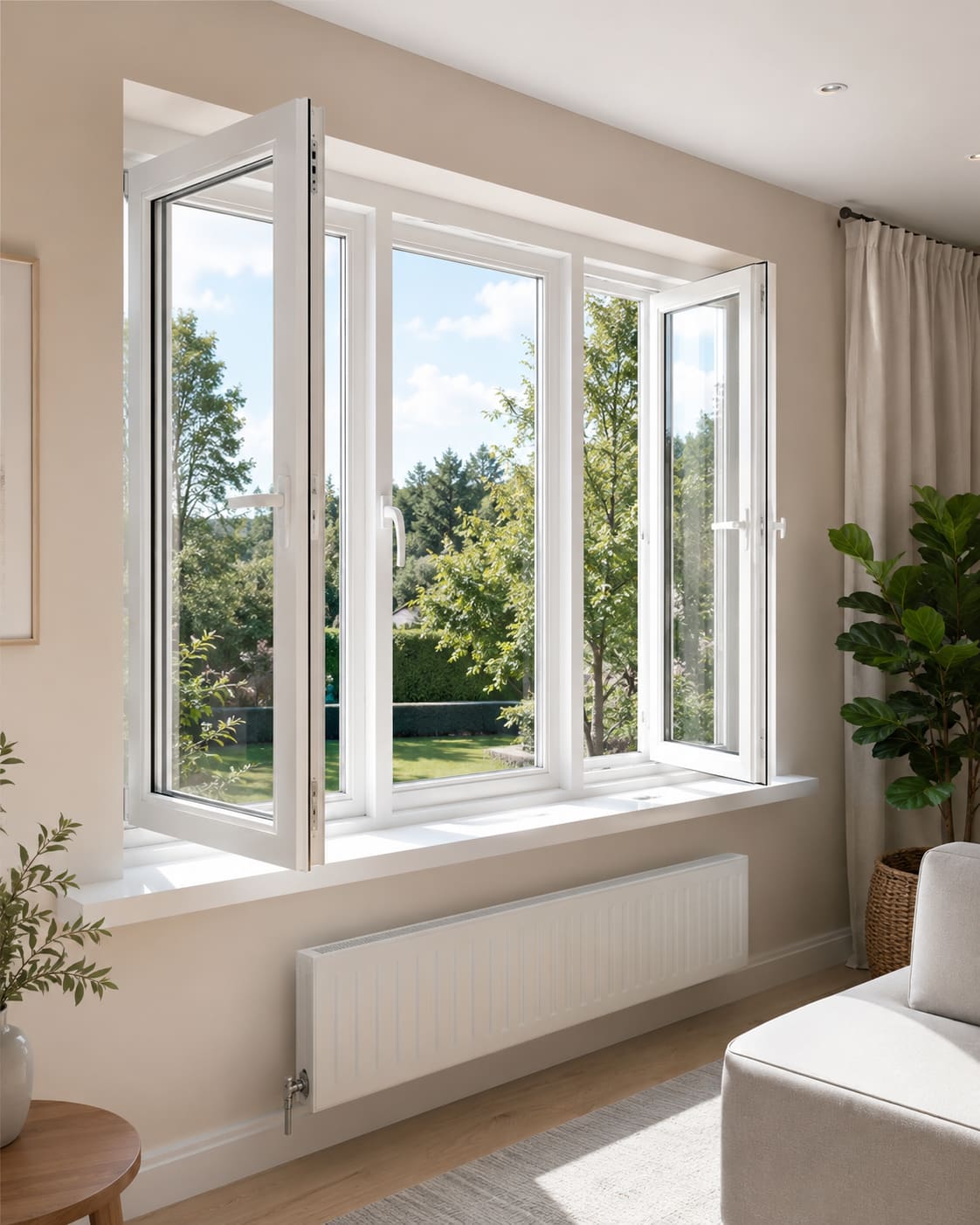
That said, uPVC has closed the gap on looks. Modern profiles come in white plus a wide range of laminated wood-grain finishes, so you can get a warm timber appearance with none of the upkeep. Slim sightlines, large sliding spans and colour-matched hardware make contemporary uPVC look far removed from the chunky white frames of a decade ago.
- Wood suits: heritage homes, carved traditional designs, feature living-room windows, and anywhere the frame is meant to be seen and admired.
- uPVC suits: modern apartments, large sliders and openable spans, wet areas, and homes where a consistent low-maintenance look across every room matters.
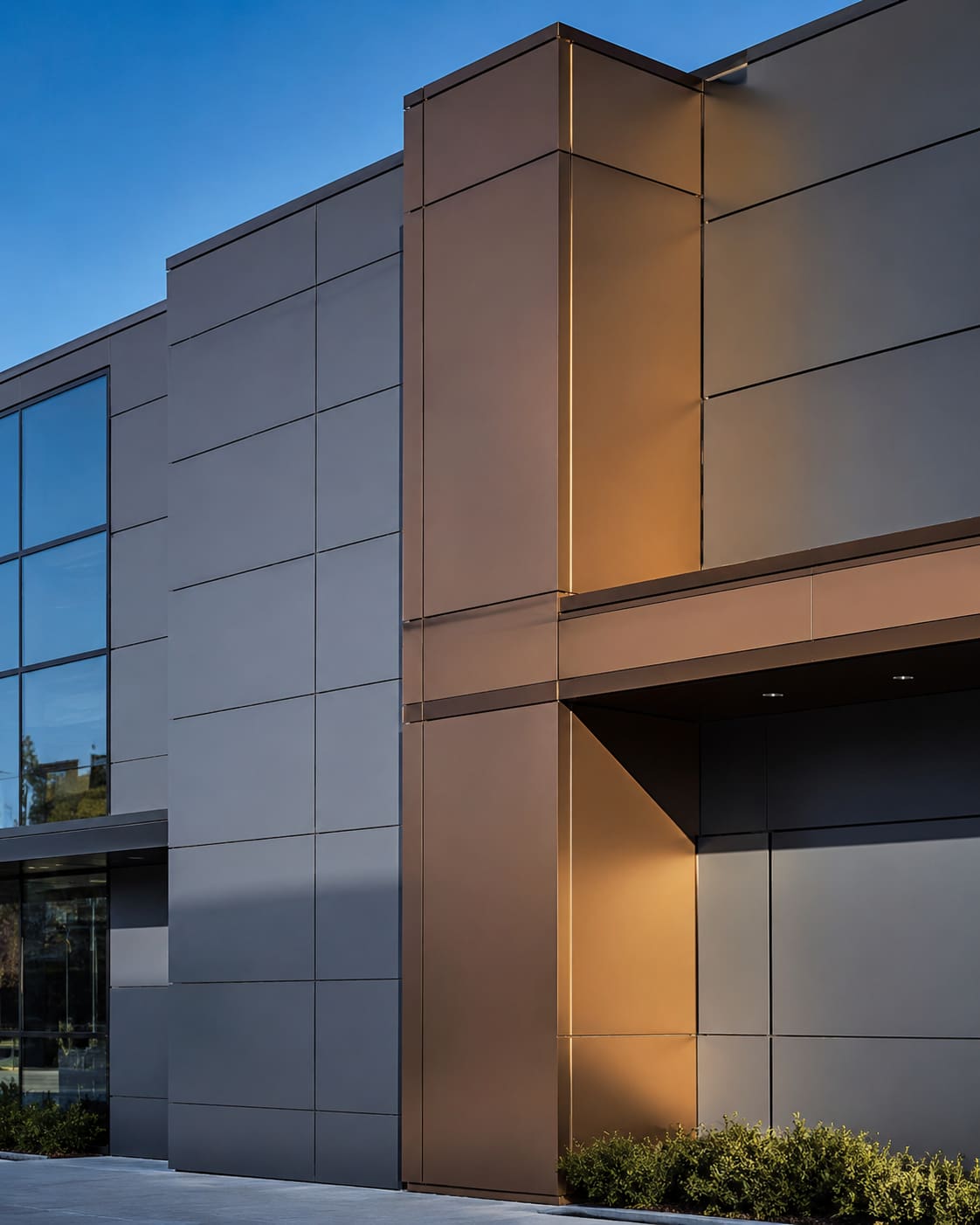
If you want the timber look on a facade or elevation without the maintenance, wood-finish options also extend beyond windows into our wood-finish HPL cladding for exteriors, which pairs neatly with either window material.
Which Should You Choose?
There is no single winner, only the right fit for your priorities.
- Choose uPVC if you want lower upfront and lifetime cost, minimal maintenance, and dependable performance in Hyderabad's heat, dust and monsoon. It suits apartments, rentals and most modern homes, and it is the safe default for wet areas.
- Choose wood if aesthetics and a natural, premium feel matter most, you have the budget for both purchase and upkeep, and you want a material you can refinish for decades.
- Consider aluminium as a third option if you want the slimmest possible frames on very large glass spans, where our aluminium sliding windows carry more weight than either uPVC or wood.
Many Hyderabad homeowners also mix the two: uPVC for bathrooms, kitchens and rear-facing openings, and select wooden windows in living rooms or on the front facade where looks lead. You can see how these choices play out in real homes across our completed projects, and Hakimi Aluminium and Glass can help you plan the balance for your specific home across Hyderabad, Secunderabad and the wider Telangana and AP region. When you are ready, request a free measured quote and we will price both options side by side.
Installation, Warranty and Choosing a Fabricator
The window material is only half the story; the fabrication and fitting decide whether it performs. A premium uPVC profile installed with poor sealing will still leak dust and water, and even the finest teak will bind if the opening is out of square.
- Ask for steel-reinforced uPVC profiles on larger windows so the frame stays rigid in wind and heat.
- Confirm the glass specification in writing: single vs double glazing, toughened where safety codes require it, and the exact hardware brand.
- Check that drainage slots and EPDM gaskets are included, because these are what keep monsoon water out.
- For wood, insist on properly seasoned timber with a moisture content suited to the local climate, plus a factory-applied primer or sealer.
A good fabricator will also handle related openings in one go, whether that is matching uPVC doors to your windows or fitting toughened glass in bathrooms. Buying frames, glass and installation from a single accountable team is the simplest way to avoid the finger-pointing that happens when a leak appears two monsoons later.