In the aluminium vs wooden doors debate, aluminium doors last longer overall - comfortably reaching 25 to 40 years against 20 to 30 years for premium teak and as little as 6 to 12 years for budget engineered timber. That is the short answer most homeowners in Hyderabad and Secunderabad are looking for, but the full decision turns on maintenance, lifetime cost, security and how each material behaves under Telangana's punishing weather swings.
Both materials can look stunning on day one, yet they age very differently under a climate that combines 42 degree Celsius dry summers, heavy monsoon humidity and constant airborne dust from busy roads. The material that holds its shape, finish and locking alignment through that annual cycle is the one that quietly saves you money for two decades - and that distinction rarely shows up in a showroom.
At Hakimi Aluminium and Glass, we fabricate and install both aluminium doors and premium timber across Hyderabad, Secunderabad and neighbouring Andhra Pradesh. This guide breaks down real-world lifespan, maintenance realities and indicative INR pricing so you can choose on facts rather than shine. When you are ready, you can get a free quote for your exact opening sizes and exposure.
Aluminium vs Wooden Doors at a Glance
If you only have thirty seconds, here is the summary before we dig into the detail. Aluminium wins on lifespan, weather resistance and near-zero maintenance, while wood wins on traditional warmth and that heavy, premium main-door feel. Cost depends entirely on which wood you compare against - cheap engineered timber undercuts aluminium upfront, but solid teak is far more expensive.
- Longest lifespan with least effort: aluminium (25 to 40 years)
- Best traditional look and feel: solid teak or seasoned hardwood
- Lowest recurring cost: aluminium (no polishing, no sealing)
- Best for exposed exteriors and monsoon-facing openings: aluminium
- Best for statement interior main doors: wood
The rest of this guide explains why, with the numbers and the local Hyderabad context behind each point. If you want to see how these choices look in finished homes, browse our recent projects across the twin cities.
Lifespan: How Long Aluminium and Wooden Doors Really Last
Lifespan is where the aluminium vs wooden doors comparison is settled most clearly. Across thousands of installations, a well-anodised or powder-coated aluminium door comfortably lasts 25 to 40 years with almost no structural degradation. Aluminium does not rot, warp, crack or attract termites - which matters hugely in the humid, termite-prone pockets of Hyderabad and along the coastal Andhra Pradesh belt.
Solid wooden doors can also last decades, but only with discipline. A quality teak or seasoned hardwood door lasts 20 to 30 years if it is polished and sealed on schedule. Cheaper engineered or rubber-wood doors often begin swelling and delaminating within 6 to 10 years, especially on monsoon-facing exteriors where rain repeatedly wets the bottom rail and the water wicks up the grain.
The gap widens when you factor in finish life. Aluminium's colour and coating stay intact for the life of the door, while wood's polish is a consumable - it degrades under UV and moisture and must be renewed every few years to keep the door looking and sealing well.
- Aluminium: 25 to 40 years, minimal decline in strength or finish
- Premium teak or seasoned hardwood: 20 to 30 years with regular upkeep
- Budget engineered or flush wood: 6 to 12 years, prone to swelling and delamination
If longevity with the least effort is your priority, aluminium is the clear winner. If you accept a maintenance routine, good teak can serve nearly as long. You can see the full range on our aluminium doors page or explore our services for the complete lineup of doors, windows and facades.
Weather and Climate Performance in Telangana and Andhra Pradesh
Hyderabad's climate is genuinely tough on doors. Summer highs near 42 degrees Celsius are followed by high monsoon humidity, and this expansion-contraction cycle is what slowly destroys timber. Wooden doors absorb moisture, expand, then shrink as they dry - leading to sticking frames, visible gaps, cracked polish and misaligned locks that no amount of oiling fully cures.
Aluminium is dimensionally stable across this entire temperature swing. It will not swell against the frame in July or leave draughty gaps in April, which is why we recommend it for balconies, utility entries and any exterior opening directly exposed to rain in Hyderabad, Secunderabad and coastal Andhra Pradesh districts like Visakhapatnam and Vijayawada where humidity runs even higher.
Dust is the other Telangana factor people forget. Aluminium wipes clean; timber grain and polished surfaces trap grime and need careful cleaning to avoid scratching the finish. For openings that face open sky or busy arterial roads - think Gachibowli, Kukatpally or the ORR corridor - the low-maintenance case for aluminium gets even stronger.
- Best for exposed exteriors and wet zones: aluminium
- Workable for sheltered interior openings: seasoned hardwood
- Avoid for monsoon-facing exteriors: budget engineered wood
Maintenance Reality: Time, Effort and Recurring Cost
Maintenance is where the two materials diverge most, and it is the part homeowners consistently underestimate. Wooden doors need re-polishing or melamine coating roughly every 2 to 4 years, costing around INR 2,500 to 6,000 per door each time, plus the disruption of a painter in the house for a day or two. Neglect that schedule for even one extra monsoon and the finish starts lifting at the edges.
Aluminium typically needs only occasional cleaning with mild soap and water. The moving parts - hinges, rollers and locks - benefit from a light service every couple of years, which is straightforward with quality hardware and keeps sliding and swing action smooth for the life of the door.
Over a 20-year horizon, a single wooden door might absorb five to eight re-polishing cycles. That recurring spend, plus the occasional cost of easing a swollen leaf or realigning a lock, is the hidden expense that quietly flips a competitive timber quote into the more expensive option.
- Wood: re-polish every 2 to 4 years at INR 2,500 to 6,000 per door
- Aluminium: wipe-clean routine, occasional hardware lubrication only
- Wood risk: swelling, sticking and lock misalignment during heavy monsoons
Cost Comparison in INR: Upfront vs Lifetime
On upfront price, wooden doors carry a very wide range depending on species, while aluminium sits in a predictable mid-band. The indicative Hyderabad rates below are for a standard single door, supplied and installed, and will vary with size, glass, finish and hardware selection.
- Aluminium door (powder-coated, single leaf): INR 9,000 to 22,000
- Engineered or flush wooden door: INR 6,000 to 14,000
- Solid teak wooden door: INR 25,000 to 60,000 and above
Budget engineered wood looks cheapest on paper, but its short lifespan means you may replace it two or three times in the period one aluminium door serves - so the true cost per year of service is often the highest of all three. Solid teak is a genuine premium product, but the sticker price is only the beginning once you add two decades of polishing.
Factoring in that upkeep, the lifetime cost of wood frequently overtakes aluminium even when the initial timber quote looked competitive. For a fair comparison, ask us to price both options for your exact openings and we will show the 10 and 20-year totals side by side, not just the day-one number. It only takes a minute to get a free quote.
Security, Locks and Hardware Options
For security, both aluminium and wooden doors perform well when properly fabricated and fitted with the right hardware. The material of the leaf matters far less than the locking system, the frame anchoring and the quality of the fittings - a poorly anchored teak door is easier to defeat than a well-installed aluminium one.
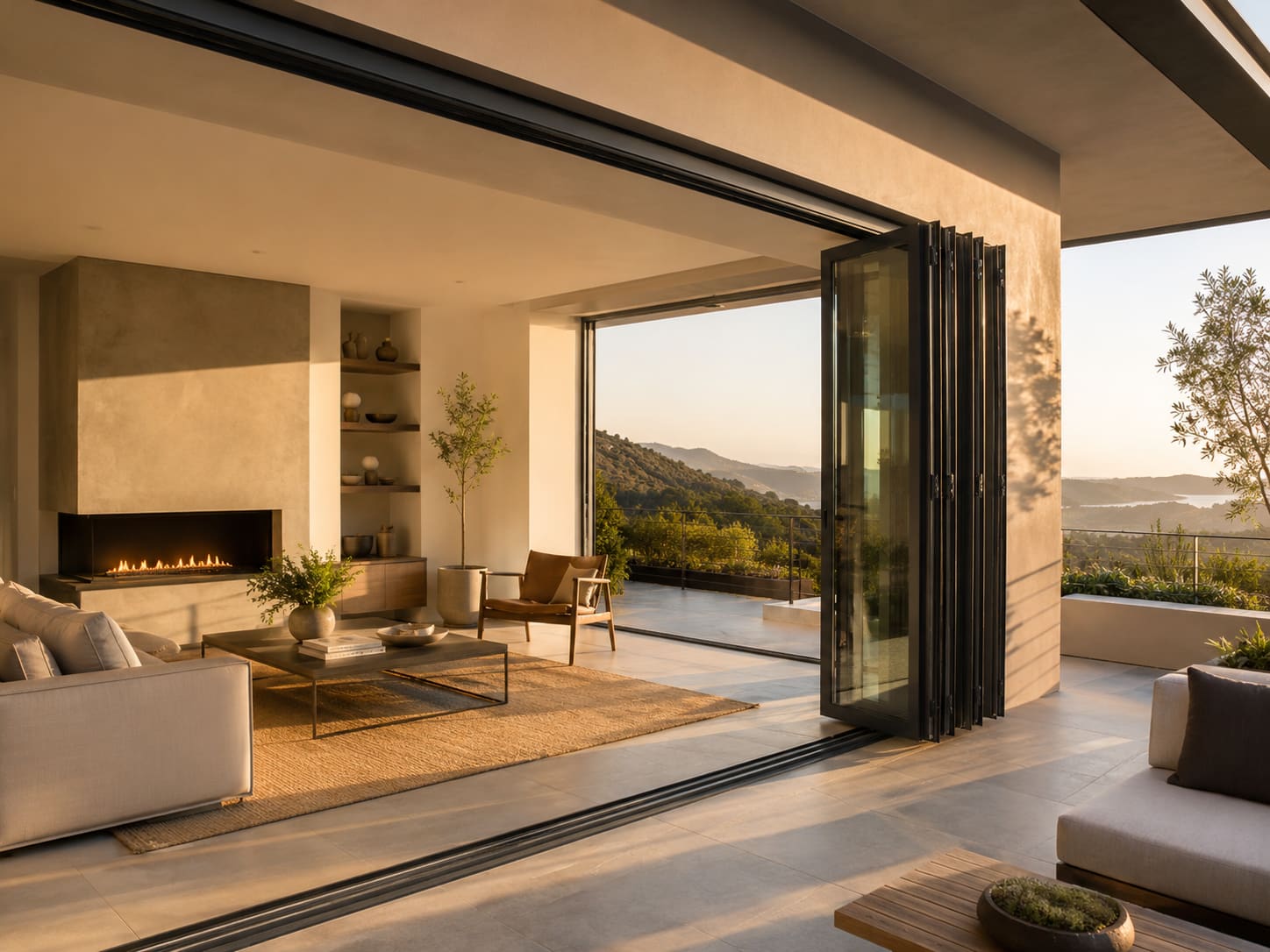
Aluminium frames with multi-point locking are excellent for main doors, sliding doors and glass-heavy facades. Because we specify hardware from trusted brands, we match the right lock - from a solid mortise lock to smart keyless access - to the way the door will actually be used. Sliding aluminium doors, in particular, pair naturally with robust roller and locking systems that stay smooth for years.
Solid timber gives a reassuring, heavy feel and accepts traditional mortise hardware beautifully, which is part of its enduring appeal for main entrances. Whichever leaf you choose, the fitting quality is what protects the home.
- Aluminium: ideal for multi-point locks, sliding runs and large glazed panels
- Wood: solid feel, classic mortise hardware, strong main-door presence
- Both: security depends on the locking system and fitting quality, not just the leaf
Looks, Style and Where Each Door Fits Best
Wood still wins on warmth and traditional character, making it a favourite for main entrance doors in independent homes and villas around Jubilee Hills, Banjara Hills and the newer gated communities of Kokapet and Gachibowli. There is a reason a carved teak door remains a status statement at the threshold of a Hyderabad home.
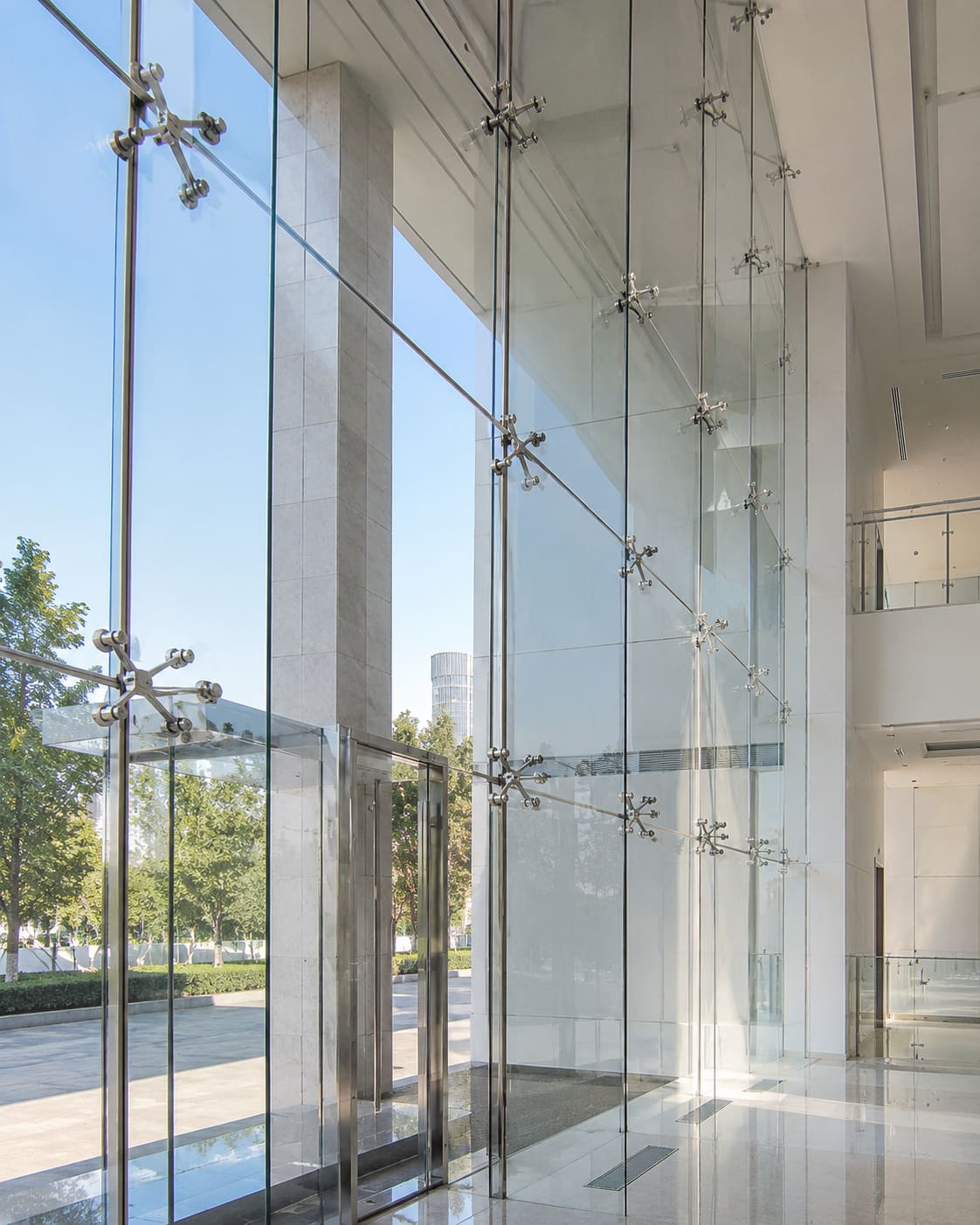
Modern aluminium, especially with wood-finish laminates and powder-coat colours, now mimics timber closely while adding slim sightlines and large glass panels for a contemporary look. It suits apartments, offices and any facade where clean lines and daylight matter more than traditional carving - and it does so without the upkeep penalty.
- Choose aluminium: exteriors, high-humidity zones, sliding openings, modern facades and low-maintenance priorities
- Choose wood: statement main doors, traditional interiors and rooms where character outranks upkeep
Many Hyderabad homes end up mixing both - a grand teak main door for arrival impact, and aluminium for balconies, utility areas and rear entries that face the weather. That blended approach usually gives the best balance of character and durability, and it is exactly the kind of tailored specification we work out on site.
How to Choose, and Common Mistakes to Avoid
Choosing well is less about which material is best in the abstract and more about matching each opening to its exposure, budget and role. Walk your home opening by opening: is it sheltered or rain-facing, a statement entrance or a functional utility door, and how often will anyone actually maintain it?
- Match the material to the exposure - put aluminium where rain hits, wood where it is sheltered
- Budget for lifetime cost, not just the purchase price of the leaf
- Insist on proper frame anchoring; a great door in a weak frame fails early
- Specify quality locks and hinges from the start rather than upgrading later
The most common mistake we see is buying a cheap engineered-wood door for a monsoon-facing exterior to save a few thousand rupees, then replacing a swollen, delaminated leaf within five years. The second is under-specifying hardware on an otherwise good door. The third is skipping professional installation - even the best aluminium or teak door leaks air, water and security if the frame is not plumb and sealed. Getting these three right matters more than the aluminium-versus-wood choice itself.
Beyond Aluminium and Wood: Is uPVC a Third Option?
If your priority is low maintenance at a lower price point than premium aluminium, uPVC deserves a look as a genuine third contender. Our uPVC doors resist moisture and termites like aluminium and never need polishing, though they suit interior and lighter-duty exterior use rather than large statement facades.
uPVC sits between aluminium and wood on both cost and strength. For bedrooms, bathrooms, kitchens and utility areas across Hyderabad and Secunderabad, it is a practical, budget-friendly choice that shrugs off Telangana's humidity without any recurring upkeep.
For heavy-duty structural openings, wide sliding runs or glass facades, aluminium remains the stronger engineering choice. If you are unsure which of the three fits a given opening, tell us the location and exposure and we will recommend the right material rather than upselling - start by browsing our services or send your requirements through our get a free quote form.
Our Verdict for Hyderabad and Secunderabad Homes
For most exterior and high-exposure openings in Hyderabad, Secunderabad and across Telangana, aluminium is the smarter long-term buy: it lasts longer, needs almost no maintenance and holds its shape and finish through every monsoon. The lifetime cost usually lands below wood once polishing cycles are counted, even when the timber quote looked cheaper on day one.
Wood earns its place as a main-door statement and in sheltered, traditional interiors - provided you commit to the upkeep. And where budget and moisture resistance lead, uPVC quietly covers the middle ground for functional openings.
Whichever way you lean, the fabrication quality and hardware make the real difference between a door that ages gracefully and one that fails early. Talk to the team at Hakimi Aluminium and Glass, see finished installations among our recent projects, or get a free quote for a like-for-like comparison on your own openings across Hyderabad, Telangana and Andhra Pradesh.