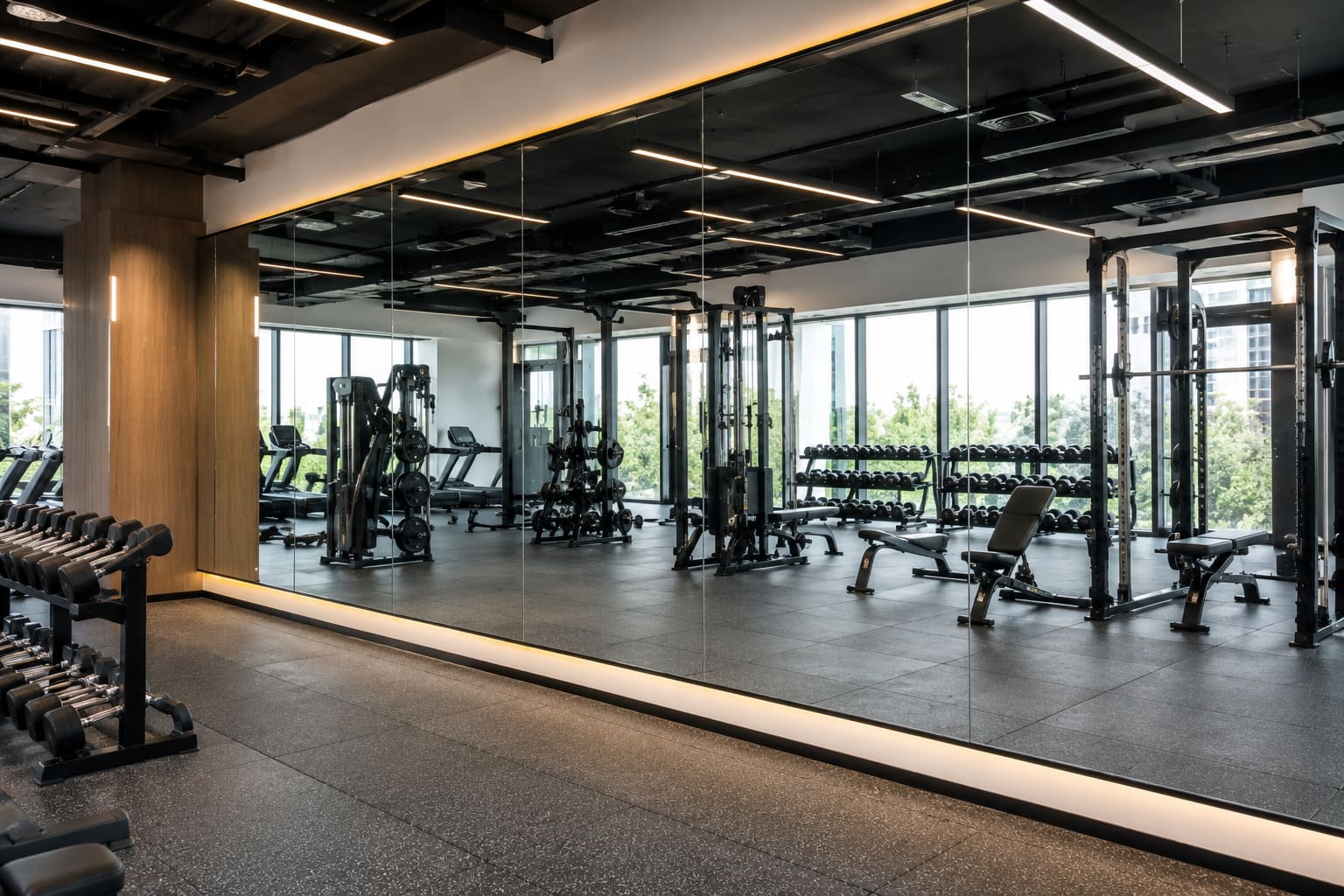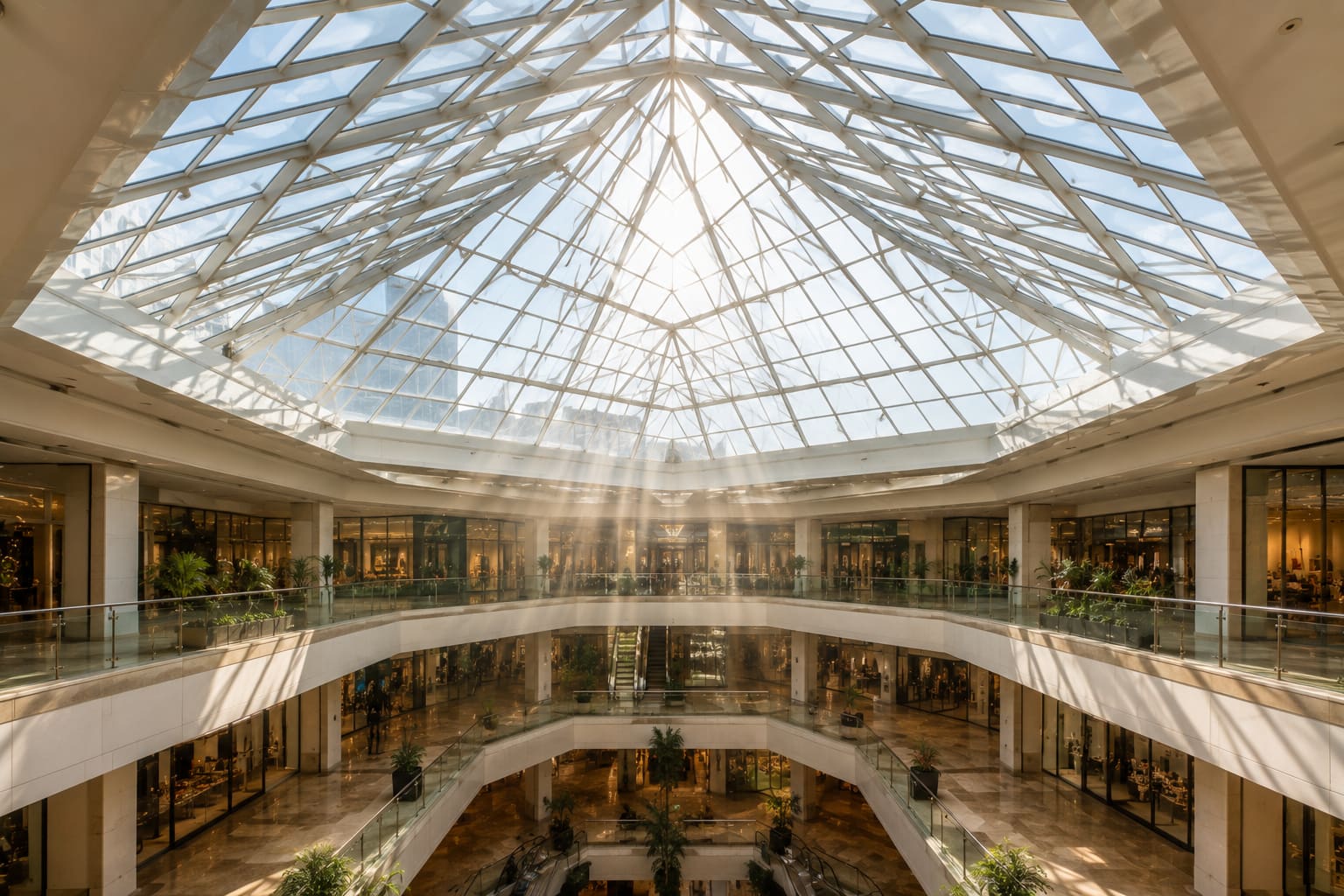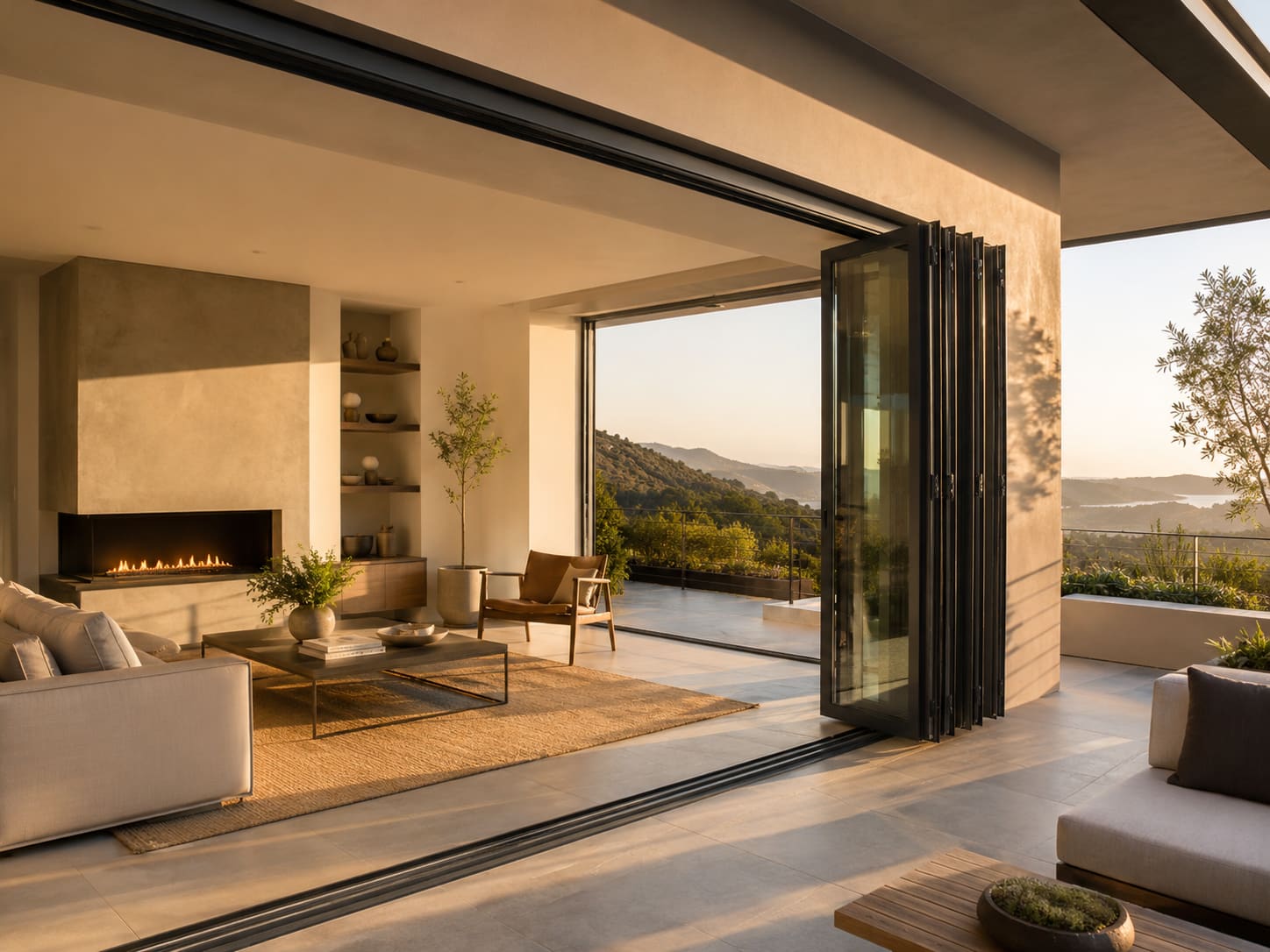
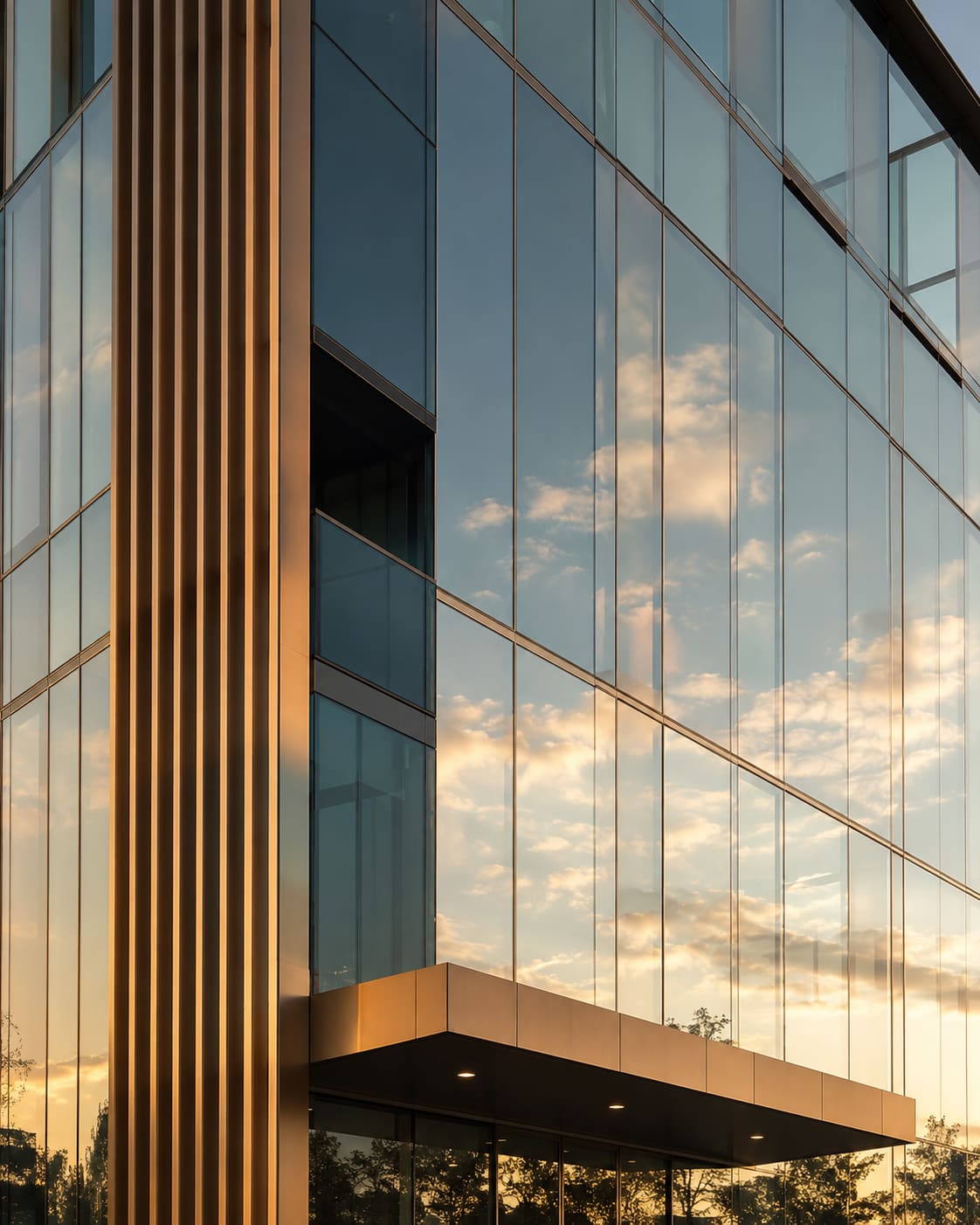
The best glass facade contractors in Hyderabad are the firms that combine in-house aluminium and glass fabrication, certified structural glazing engineers, verified commercial references across the twin cities, and transparent per-square-foot pricing. For office towers, showrooms and retail fronts in Gachibowli, HITEC City, Madhapur, Kondapur and the Financial District, you want a contractor who engineers the facade for Hyderabad's specific conditions: 40-45 degree summer heat, wind-driven monsoon rain, and the fine year-round dust that lodges in poorly sealed joints. A striking elevation that leaks in July or bakes the top floors in May is not a bargain at any price.
This guide explains exactly how to shortlist, verify and price a facade contractor in Hyderabad and Secunderabad. It covers the checks that separate genuine fabricators from resellers, realistic 2026 INR rates for structural glazing and curtain walls, the systems and hardware that make or break a facade, and the local factors, from IT-corridor high-rises in Kokapet to premium retail near Banjara Hills, that should shape your decision. Read it before you request a single quote, because the biggest savings on facade work come from scoping the job correctly, not from squeezing the cheapest bidder.
As a glass, aluminium and facade specialist that also stocks branded Taiton, Enox and Ozone hardware, Hakimi Aluminium and Glass sees both sides of every project: the glass facade work itself and the patch fittings, spider bolts, floor springs and gaskets that hold it together. That combined view is why this article treats fabrication, engineering and fittings as one system rather than three unrelated line items, and it is the lens you should apply when you compare contractors.
How to choose the best glass facade contractor in Hyderabad
Choose a Hyderabad facade contractor by verifying in-house fabrication, engineering credentials and completed twin-city projects before you compare price. Price is the last filter, not the first, because the cheapest quote is usually the one hiding the most substitutions. Work through this checklist to separate specialists from middlemen:
- In-house fabrication unit: Ask to visit their workshop in areas like Jeedimetla, Balanagar or Cherlapally. Contractors who fabricate their own aluminium and glazing units control tolerances, quality and timelines far better than those who outsource cutting and assembly to an unnamed third party.
- Structural glazing capability: Confirm they employ or retain a qualified structural engineer who issues wind-load and dead-load calculations stamped for your building height. A 4-storey retail block in Kukatpally and a 20-storey tower in Kokapet are not the same engineering problem, and a competent firm will treat them differently.
- Local project references: Ask for at least three completed facades in Hyderabad or Secunderabad you can physically inspect, ideally 2-5 years old so you can see how the sealant, gaskets and joints have aged through several monsoons. Photos of a handover day tell you nothing about durability.
- System partnerships: Reputable contractors work with recognised aluminium systems (Technal, Schueco, Alupco, Jindal) and branded glass (Saint-Gobain, AIS, Guardian), and they specify branded facade hardware rather than unmarked substitutes.
- Safety and warranty: Insist on a written warranty, typically 5-10 years on structural silicone and workmanship, and documented site-safety practices for high-rise work, including trained rope-access or scaffold crews and valid insurance.
When two contractors look equal on paper, the deciding factor is usually the depth of the team. A genuine facade specialist runs its own draughting, fabrication and installation, and can walk you through our recent projects across facades, glazing and partitions rather than showing a single hero photo. Browse our services to see the full envelope a serious contractor should be able to deliver.
Glass facade cost per square foot in Hyderabad (2026 INR ranges)
Glass facade work in Hyderabad typically costs between INR 450 and INR 1,400 per square foot in 2026, depending on the system, glass specification and building height. These twin-city ranges help you sanity-check any quote before you negotiate:
- Structural glazing (unitised / semi-unitised): INR 750-1,400 per sq ft for high-rise IT parks and offices in Gachibowli, Kokapet and the Financial District.
- Spider / point-fixed glazing: INR 900-1,600 per sq ft, common for showroom and lobby feature walls in Banjara Hills and Jubilee Hills, and heavily dependent on the stainless-steel fittings specified.
- ACP with glazing bands: INR 350-650 per sq ft for commercial buildings and mixed-use blocks in Kukatpally and Secunderabad.
- Double-glazed (DGU) upgrade: Add roughly INR 150-350 per sq ft, worthwhile in Hyderabad for cutting summer heat gain and traffic noise on ORR-facing and west-facing elevations.
- Frameless glass shopfronts and entrances: INR 550-1,100 per sq ft depending on glass thickness, door hardware and the amount of toughened patch-fitted glazing.
Remember that a facade quote bundles many costs into a single rate: aluminium sections, glass, structural silicone, gaskets, hardware, fabrication labour, mobilisation, scaffolding and GST. When one contractor comes in 30% cheaper, ask precisely which of those line items shrank. Quotes below INR 400 per sq ft for true structural glazing almost always signal thinner aluminium sections, single glazing or unbranded fittings, cheaper on day one but prone to monsoon leaks and summer heat complaints within a year or two.
For a same-basis comparison, hand every bidder an identical glass specification, system depth and hardware brand list, then get a free quote on that fixed scope. Only when the scope is frozen are the numbers genuinely comparable; otherwise you are comparing a DGU tower to a single-glazed one and calling it a discount.
Structural glazing vs curtain wall vs spider glazing
The right facade system depends on building height, budget and the look you want, not on whichever system a contractor happens to prefer selling. Here is how the three main options compare for Hyderabad projects:
- Structural glazing: Glass is bonded to an aluminium frame with structural silicone for a flush, frameless look from outside. It suits mid-to-high-rise offices and is the default for IT towers along the ORR. Reliability depends almost entirely on silicone grade, curing discipline and joint design, so this is where fabrication quality matters most.
- Curtain wall (unitised): Factory-assembled panels are craned into place, giving fast, weather-tight installation on tall buildings. It costs more up front but slashes on-site time, a real advantage on congested plots in HITEC City and the Financial District where crane windows and access are tight.
- Spider / point-fixed glazing: Toughened glass is held by stainless-steel spider brackets and bolts, creating dramatic transparent lobbies and showroom fronts. It leans heavily on precise 316-grade fittings and is popular for premium retail in Jubilee Hills and Banjara Hills.
Many buildings sensibly mix systems: a unitised curtain wall for the tower, spider glazing for the double-height lobby, and a ventilated glass facade treatment on a signature elevation. A contractor comfortable across all three, rather than pushing the one they stock, is usually the more capable and honest partner. If a firm insists every problem is solved by the single system they happen to fabricate, treat that as a limitation, not a recommendation.
Facade hardware and fittings that make or break a project
Facade hardware is where cheap projects fail first, long before the glass or aluminium does. The visible glass gets all the attention, but the fittings behind and around it decide whether doors sag, joints leak or brackets corrode after two monsoons. As a dealer in Taiton, Enox and Ozone hardware, we see failed no-name fittings replaced constantly, at far more cost than specifying quality would have added. Lock these into the specification from the start:
- Patch fittings for frameless glass doors and entrances keep heavy toughened doors aligned and self-closing for years, not months. Cheap patches are the classic cause of the drooping, dragging showroom door.
- Floor springs and door closers control heavy lobby doors smoothly and survive constant footfall in commercial buildings; an underrated floor spring is a call-back waiting to happen.
- Spider and structural bolts in 316-grade stainless resist Hyderabad's dust and humidity without rust-staining the glass, which 304-grade or plated substitutes will do within a couple of monsoons.
- Sliding systems and door hardware for balconies, terraces and podium-level access should be robust enough to prevent the sticking and rattling that plague budget installs.
- Gaskets and seals: EPDM gaskets and high-modulus structural silicone are the facade's real waterproofing. They belong in the written spec, not treated as a site afterthought bought at the last minute.
If a contractor cannot name the hardware brands they will use and show a datasheet, treat that as a red flag. On a facade, the fittings are not an accessory to the glass; they are the mechanism that keeps the glass safe, sealed and moving for a decade.
Why Hyderabad's climate should shape your facade choice
Hyderabad's hot, dusty summers and intense monsoon demand a facade engineered for heat, water and dust, not just appearance. A design that performs well in a cooler, drier city will underperform in the Deccan climate. Specify these locally so the facade actually performs, rather than just photographs well on handover day:
- Heat control: Choose high-performance, reflective or low-E glass to cut solar heat gain. West and south facades in HITEC City and Madhapur bake through summer afternoons and quietly drive up cooling bills for the building's whole life, so the glass coating is an operating-cost decision, not just an aesthetic one.
- Waterproofing: Insist on proper drainage channels and pressure-equalised joints. Monsoon rain in Hyderabad is wind-driven and finds every weak seal on an exposed elevation, and retro-fixing a leaking joint on a live high-rise is painful and expensive.
- Dust-resistant seals: Quality EPDM gaskets and structural silicone keep fine construction and road dust from lodging in joints and staining the glass along dusty corridors like the ORR and the Shamshabad airport approach.
- Ventilation: Openable vents or a well-designed HVAC interface matter for sealed glass boxes in Kondapur and Gachibowli offices, where fully sealed facades otherwise trap heat and strain the air-conditioning.
Across Telangana and Andhra Pradesh the climate logic is similar but not identical. Coastal Andhra sites near Visakhapatnam add salt-laden air to the equation, which strengthens the case for 316-grade stainless hardware and marine-suitable coatings, whereas dry inland Telangana towns lean the priority back towards heat and dust management.
Glass and aluminium specifications that matter
The specification, not the brochure render, determines how a facade performs, so read the datasheets before you sign anything. Focus on these numbers when you compare bids, because this is where quiet cost-cutting hides:
- Glass thickness: Toughened glass of 8mm, 10mm or 12mm is common for facades, and the correct thickness is driven by pane size and wind load, not by what is cheapest in stock.
- Solar Heat Gain Coefficient (SHGC): A lower SHGC means less heat entering the building, which is valuable on Hyderabad's west and south elevations and directly affects running costs.
- Aluminium section depth: Deeper mullions carry more load. Shallow sections on a tall facade are a classic cost-cutting shortcut that shows up later as flex, rattle or seal failure.
- DGU cavity and spacer: A 12-16mm air or argon-filled cavity with a warm-edge spacer improves both insulation and condensation resistance.
- Coating and finish: Powder-coated or anodised aluminium resists Hyderabad's dust and humidity far better than mill-finish or untreated sections, and the coating warranty should be in writing.
For interiors that tie into the facade, such as glazed cabins and meeting-room fronts, the same discipline applies to the partition systems and their hardware, so the whole envelope reads as one coherent, well-engineered system rather than a facade bolted onto an afterthought interior. Ask every bidder to submit these figures on paper; a contractor who cannot produce datasheets is quoting on hope, not engineering.
The facade process and realistic timelines
A professional facade job follows a clear sequence, and understanding it helps you spot a contractor who is improvising. A typical mid-rise commercial facade in Hyderabad runs 8-16 weeks from approved shop drawings to handover, subject to weather, height and site access. The main stages are:
- Survey and design: Site measurement, wind-load and dead-load calculations, and system selection. Expect 1-2 weeks, longer for tall or complex elevations.
- Shop drawings and approval: Detailed fabrication drawings you sign off before anything is cut. Do not let fabrication start without this; changes after cutting are costly.
- Fabrication: Aluminium cutting, assembly and glass processing in the workshop, typically 2-5 weeks depending on scale and whether the system is unitised.
- Installation and glazing: Frame erection, glass fixing, structural silicone application and curing. Silicone needs proper curing time and dry conditions, which is why monsoon scheduling matters in Hyderabad.
- Sealing, testing and handover: Weather-sealing, a water test on representative panels, cleaning and defect snagging before final handover.
Two timeline realities catch owners out in the twin cities. First, the monsoon can pause silicone and sealant work, so plan critical glazing for drier windows where possible. Second, crane and access windows on congested plots in HITEC City or the old-city fringe can dictate the schedule as much as the fabrication itself. A contractor who gives you a stage-wise plan with these risks flagged is one who has done this before.
Common mistakes and red-flag questions to ask before you sign
Avoid contractors who cannot show a workshop, engineering drawings or aged local references, because these are the clearest warning signs in Hyderabad. A confident specialist welcomes scrutiny; a reseller deflects it. These are the most common and expensive mistakes owners make:
- Comparing quotes on different specifications and choosing the lowest number without noticing the glass, section depth or hardware changed.
- Skipping stamped structural calculations and discovering flex or seal failure after occupancy.
- Front-loading payment so heavily that the contractor's incentive to finish snagging disappears.
- Ignoring after-sales reach and then struggling to get a monsoon leak call-back attended.
Ask these questions before signing, and get the answers in writing:
- Can I visit your fabrication unit and one live site in the twin cities this week?
- Who provides the structural and wind-load calculations, and are they stamped for my building height?
- Which aluminium system, glass brand and hardware brands (Taiton, Enox, Ozone or equivalent) will you use, and can you show the datasheets?
- What exactly is covered under warranty, for how long, and who handles monsoon leak call-backs?
- Is the payment schedule milestone-linked rather than heavily front-loaded, and how will you protect finished glass and hardware from site dust until handover?
If the answers are vague, keep looking. A serious facade partner in Hyderabad or Secunderabad answers every one of these without hesitation and puts it in writing.
Serving Hyderabad, Secunderabad and beyond
A capable facade contractor should comfortably cover both Hyderabad and Secunderabad, and many take projects across Telangana and Andhra Pradesh. Geography still affects your cost and timeline, so confirm the details before you commit:
- Twin-city core: Gachibowli, HITEC City, Madhapur, Kondapur, Financial District, Kokapet, Nanakramguda, Banjara Hills, Jubilee Hills, Kukatpally and the Secunderabad cantonment area are routine catchment for established contractors, with predictable logistics.
- Outer and outstation sites: For locations beyond the ORR, such as Shamshabad, Sangareddy, Adibatla or outstation towns in Andhra Pradesh, confirm that mobilisation, logistics and crew accommodation are itemised in the quote rather than sprung on you later.
- After-sales reach: A local presence matters most after handover. You want a team that can reach the site quickly for a monsoon call-back or a hardware adjustment, not one operating three states away that treats your defect as a low priority.
Whether you are glazing a single showroom front in Banjara Hills or a full curtain-wall tower in Kokapet, the discipline is the same: define the scope tightly, freeze the specification, and then compare like-for-like bids. Do that, and you will end up with the right contractor at a fair price. To start on your own project, get a free quote on a fixed specification, and the numbers you receive back will actually mean something.