The best structural glazing company in Hyderabad is a licensed facade specialist (not a general fabricator) that uses branded aluminium systems and certified structural silicone, provides a stamped structural and wind-load design for your exact building height, and can show completed glass facades across HITEC City, Gachibowli, Kokapet or the Financial District. In the twin cities you should prioritise contractors who understand local wind loads, monsoon water-tightness and dust-heavy 45C summers, and who back the work with a written 5-10 year warranty. A genuine specialist treats structural glazing as core engineering work, not a shopfitting side line.
Structural glazing is a high-stakes facade system: the glass is bonded to an aluminium frame with structural silicone, so poor design or workmanship shows up as leaks, whistling joints, condensation or, in the worst case, a panel that debonds and falls. On a mid-rise commercial tower in Hyderabad the facade can represent 15-25% of the building's finishing budget, which makes contractor selection one of the most consequential decisions on the entire project. The cheapest quote almost never protects that investment.
This guide explains exactly what to check, what it should cost in Hyderabad and Secunderabad in 2026, and the questions that separate a genuine specialist from a low bid. It covers cost per square foot, materials and specifications, where curtain wall glazing fits alongside structural glazing, the process and timeline, common mistakes to avoid, and how to shortlist and verify a contractor before you sign. When you are ready to compare specifics, you can get a free quote and benchmark it against the ranges below.
What is structural glazing and how does it work?
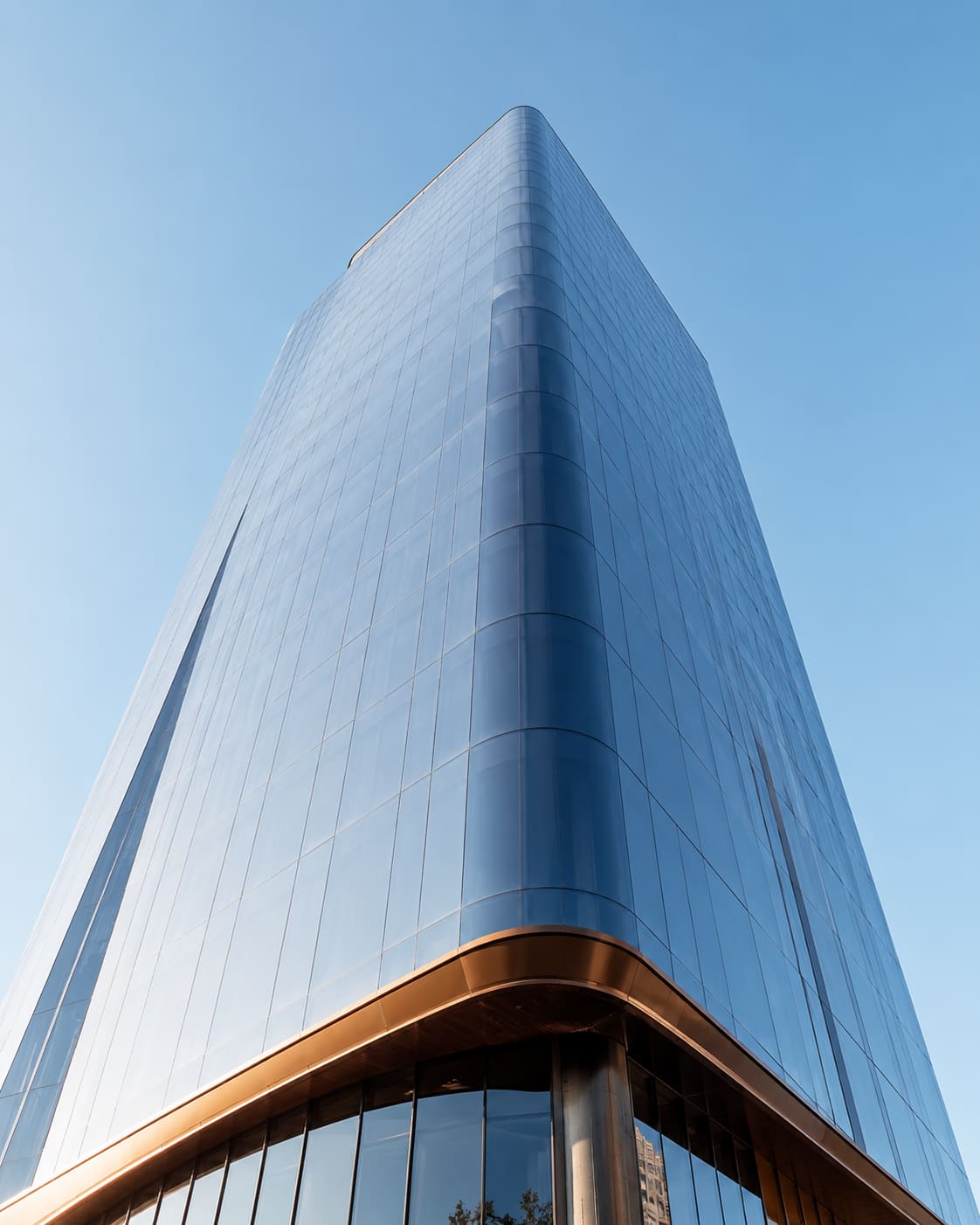
Structural glazing is a facade system in which glass panels are bonded directly to a supporting aluminium frame using high-strength structural silicone, so the sealant itself transfers wind load from the glass into the building structure. The result is a smooth, flush, largely frameless glass skin with no external caps or pressure plates interrupting the surface, which is why it is favoured for showrooms, corporate frontages and premium commercial blocks across Hyderabad.
Because the silicone bond is load-bearing rather than merely a weather seal, structural glazing is an engineered product, not a decorative one. The design must account for the dead weight of the glass, wind pressure and suction, thermal expansion in summer heat, and inter-storey movement. This is the single most important thing a buyer needs to internalise: you are commissioning a small piece of structural engineering that happens to look like a wall of glass.
- Two-sided structural glazing: two opposite edges are silicone-bonded and two are mechanically captured, a common and economical choice.
- Four-sided structural glazing: all four edges are bonded for a fully frameless look, demanding tighter tolerances and factory bonding.
- Semi-unitised: aluminium mullions fixed on site, glass units bonded off-site or on-site, balancing cost and quality.
- Fully unitised: complete storey-height panels assembled and bonded in a factory, then hung on the building for fast, high-quality high-rise installation.
The best structural glazing company in Hyderabad will recommend the configuration that suits your building height, budget and programme, and will explain the trade-offs plainly instead of pushing a single one-size-fits-all product.
What makes a structural glazing company the 'best' in Hyderabad?
The best structural glazing companies in Hyderabad combine certified engineering, branded materials and a proven local track record. In a crowded market where dozens of fabricators claim facade capability, the real specialists are distinguished by design discipline and documentation, not by the lowest bottom-line figure. Judge every contractor against these non-negotiables:
- Facade specialisation: they design and install glazing daily, and can run both structural glazing and curtain wall glazing systems fluently.
- Stamped design: a structural and wind-load calculation for your building height, signed by a qualified structural engineer.
- Branded systems: aluminium sections from makers like Jindal or Hindalco, and DGU glass from Saint-Gobain, AIS or Guardian.
- Certified silicone: structural-grade sealant (Dow, Sika or Wacker) with a valid adhesion and compatibility report for your exact glass and coating.
- Local proof: completed projects you can inspect in Madhapur, Kondapur, Banjara Hills, Kokapet or the Financial District.
- Written warranty: 5-10 years on the glazing system, plus manufacturer warranties on the glass and sealant.
A contractor who hesitates on any of these is quoting on price alone. The strongest firms lead with their design and testing paperwork because that is exactly what protects your building through a decade of Hyderabad summers and monsoons. It is worth reviewing our services and asking to see our recent projects before you compare bids, so you know what a properly scoped facade package actually contains.
Structural glazing cost in Hyderabad (2026 INR ranges)
Structural glazing in Hyderabad typically costs between INR 550 and INR 1,400 per sq ft in 2026, depending on the glass, system and building height. The single biggest cost driver is the glass specification, followed by aluminium section weight and the access method required to install at height. Use these ranges to sanity-check quotes:
- Semi-unitised single-glazed facade: INR 550-750 per sq ft.
- Double-glazed (DGU) unit with a performance / low-E coating: INR 850-1,200 per sq ft.
- Spider / point-fixed glazing for lobbies and atriums: INR 1,100-1,400 per sq ft.
- Fully unitised curtain wall for high-rise towers: INR 1,200-1,800 per sq ft, factory-assembled for speed and quality.
- High-rise access, scaffolding or hydraulic platforms in dense zones like HITEC City: add roughly 8-15%.
For a typical 5,000 sq ft office facade in Gachibowli using DGU glass, expect an all-in figure of roughly INR 45-60 lakh once access, support steel, hardware and testing are included. A quote far below INR 500 per sq ft almost always signals thin aluminium, non-structural silicone or missing design work, all of which fail early in Hyderabad's heat and monsoon.
Always ask what a quote excludes. MS support steel, fire stops between floors, aluminium cills, edge flashings and permanent cleaning access are common line items that get quietly dropped to make a bid look cheaper, then reappear as costly variations mid-project. A transparent, line-itemised estimate is itself a sign of a serious contractor, so when you get a free quote make sure every layer is priced separately.
Materials and specifications that matter
The performance and lifespan of a structural glazing facade are decided by four material choices: the glass, the aluminium, the structural silicone and the hardware. Getting the specification right at the drawing stage costs nothing extra and prevents the vast majority of facade problems seen in the twin cities.
- Glass: for Hyderabad's climate, double-glazed units (DGU) with a low-E or solar-control coating cut heat gain dramatically and reduce air-conditioning load. Toughened or heat-strengthened glass is essential wherever safety and thermal stress apply, and laminated glass adds security and acoustic control on busy corridors.
- Aluminium: branded, correctly gauged extrusions (typically 1.8-2.5 mm wall thickness depending on span) with a proper powder-coat or anodised finish resist Hyderabad dust and monsoon humidity. Under-gauge sections flex and whistle under wind.
- Structural silicone: a certified two-part or one-part structural sealant with a project-specific adhesion and compatibility test. The bite and joint dimensions must come from the engineer's calculation, not a rule of thumb.
- Gaskets, spacers and weep detailing: EPDM gaskets, warm-edge spacers in the DGU, and drained-and-ventilated joints keep the facade watertight and condensation-free.
Insist on a materials submittal that names every brand and grade before work starts. A specialist welcomes this because branded, correctly specified materials are exactly what justifies their price over a cut-rate competitor.
Structural glazing versus curtain wall: which do you need?
Choose structural glazing for a flush, frameless glass appearance, and curtain wall when you need a large, sealed building envelope with integrated ventilation and spandrel zones. The two systems overlap heavily, and many Hyderabad towers combine them, so the right specialist should be fluent in both rather than pushing whichever they happen to stock.
- Structural glazing: glass bonded to aluminium with structural silicone for a smooth, gridless exterior, ideal for showroom frontages and boutique commercial blocks.
- Curtain wall: a mullion-and-transom grid carrying curtain wall glazing, better suited to tall towers where wind load, floor-to-floor movement and fire compartmentation dominate.
- Spider glazing: point-fixed glass on stainless steel fittings for atriums and double-height lobbies, requiring precise brackets and toughened glass.
- Ground-floor interface: entrances and shopfronts often need patch fittings, floor springs and door closers that tie into the glazing line cleanly.
In practice, a Financial District office might use unitised curtain wall for the tower, structural glazing at the podium, and spider glazing over the entrance canopy. The best structural glazing company in Hyderabad will recommend the right system per zone, coordinating structural glazing and curtain wall as one envelope instead of forcing a single approach across the whole building.
The installation process and typical timeline
A well-run structural glazing project follows a predictable sequence, and understanding it helps you hold a contractor to a realistic programme. Rushing any stage, especially silicone curing or the mock-up, is where quality quietly collapses.
- Survey and design: site measurement, wind-load and structural calculations, shop drawings and material submittals (1-3 weeks).
- Mock-up and testing: a sample panel and a water-tightness test to prove the detailing before mass production (about 1 week).
- Fabrication and bonding: aluminium cutting, glass ordering and structural silicone bonding, with mandatory cure time in controlled conditions (2-5 weeks depending on scope).
- Installation: fixing brackets and framing, hanging panels, sealing joints and applying weather silicone, sequenced around access equipment.
- Handover: final water test, cleaning, snagging and warranty documentation.
For a mid-size commercial facade in Hyderabad, budget roughly 6-12 weeks from order to handover, longer for a full high-rise tower. Monsoon months can extend the installation window because weather silicone and sealing need dry conditions. A contractor who promises an implausibly fast turnaround is usually planning to skip the mock-up or shorten the silicone cure, both of which lead to leaks. You can see completed examples of this workflow in our recent projects.
Why local Hyderabad and Secunderabad experience matters
Local experience matters because Hyderabad's climate and building stock impose specific demands that a non-local contractor routinely underestimates. Summer surface temperatures on east and west facades can exceed 45C, so glass selection and thermal movement joints must be sized correctly, while the June-September monsoon tests every drainage and weep detail on the building.
Construction dust from the corridors around Gachibowli, Kokapet and Kukatpally settles fast and etches poorly finished aluminium, so a good specialist specifies easy-clean coatings and plans permanent facade access from day one. A twin-cities specialist will also understand GHMC and HMDA approval norms, and how commercial towers in the Financial District differ from residential high-rises in Jubilee Hills, Kompally or Secunderabad's cantonment belt.
- Wind loads: Hyderabad sits in a moderate wind zone, but building height and exposure still drive the structural design, especially for towers above 45 metres.
- Water-tightness: monsoon-grade drained-and-ventilated joints prevent the leaks that plague under-designed facades in Madhapur and Kondapur.
- Regional reach: strong local firms also serve wider Telangana and Andhra Pradesh, covering commercial projects in Warangal, Vijayawada and Visakhapatnam, where coastal exposure raises the specification further.
This is why a contractor's local portfolio is worth more than a glossy brochure. Facades you can walk up to and inspect in the twin cities tell you how their work has aged through real Hyderabad summers and monsoons.
How to shortlist and verify a contractor
Shortlist three to four specialists, then verify each with a simple, repeatable process before you sign. The goal is to test engineering competence and honesty, not just to compare prices. Follow these steps in order:
- Step 1: Ask for three local references and visit at least one completed facade in person, ideally one that is a few monsoons old.
- Step 2: Request the wind-load and structural design and confirm it is signed and stamped by a structural engineer.
- Step 3: Check material brands and demand the silicone adhesion, compatibility and warranty certificates for your exact glass.
- Step 4: Compare quotes line by line (glass, aluminium, silicone, hardware, support steel, access, labour), not just the bottom figure.
- Step 5: Confirm a mock-up or sample panel and a written water-tightness test on completion.
- Step 6: Lock the payment schedule to milestones, never to a large upfront lump sum.
A serious contractor welcomes this scrutiny and provides documents without excuses. If a firm resists sharing engineering paperwork or references, treat it as a warning sign regardless of how attractive the headline price looks. Browsing our services will show you how a properly documented facade scope is presented, which makes weak bids easy to spot.
Red flags and common mistakes to avoid
Most structural glazing failures in Hyderabad trace back to a handful of avoidable mistakes, and knowing them lets you filter contractors quickly. Watch for these warning signs during quoting and execution:
- No stamped design: a facade priced without an engineer's wind-load calculation is a gamble on your building's safety.
- Silicone substitution: general-purpose weather sealant used in place of certified structural silicone, which cannot carry the glass load.
- Thin aluminium: under-gauge sections that flex, whistle and leak under wind pressure.
- Missing mock-up: skipping the sample panel and water test that catch detailing errors before full installation.
- Lump-sum advances: heavy upfront payments with no milestone protection.
- Vague warranty: verbal assurances instead of a written, enforceable 5-10 year document.
- No compatibility test: bonding silicone to a glass coating or gasket it has never been tested against, a classic cause of debonding.
Avoiding these mistakes costs nothing at the quoting stage but saves lakhs in remedial work later, because fixing a leaking or debonding facade often means dismantling and reglazing entire bays. If you are unsure how a bid measures up, send it to us and get a free quote to benchmark it against current twin-cities standards.
Why choose Hakimi Aluminium and Glass
Hakimi Aluminium and Glass is a Hyderabad-based facade specialist and authorised hardware dealer that delivers structural glazing as engineered work, backed by design, testing and a written warranty. We combine facade fabrication with in-house access to branded fittings, so the glass, aluminium, silicone and hardware are specified and coordinated as one system rather than bought piecemeal.
- Specialist scope: dedicated structural glazing and curtain wall glazing teams, not a fabrication side line.
- Branded materials: Jindal and Hindalco aluminium, Saint-Gobain and AIS glass, and certified structural silicone with compatibility testing.
- Hardware depth: authorised dealer for Taiton, Enox and Ozone, specified to match system loads rather than lowest price.
- Twin-cities reach: completed projects across Hyderabad, Secunderabad and wider Telangana and Andhra Pradesh.
Whether you are cladding a new office tower in Gachibowli, upgrading a showroom frontage in Banjara Hills, or planning a commercial block in Vijayawada or Visakhapatnam, we scope, design and install to standards that survive Hyderabad's climate. Explore our recent projects to see the work, then get a free quote to start with a transparent, line-itemised estimate.