Structural glazing is worth it for most commercial buildings in Hyderabad, but rarely for small budget homes. For offices, IT parks, showrooms and retail frontages in areas like HITEC City, Gachibowli, Madhapur, Kokapet and the Financial District, a seamless glass facade justifies its ₹550–₹1,100 per sq ft cost through a premium appearance, higher rental value, better daylighting and lower cooling bills. For a modest 2–3 BHK independent house, standard aluminium windows deliver roughly 80% of the visual benefit at about a third of the price, so the maths only tips in favour of glazing above a certain scale and ambition.
The real question in the twin cities is not just cost, but whether the system is engineered for Hyderabad's specific conditions: hot summers touching 42–44°C in Kokapet and Kukatpally, heavy monsoon driving rain from June to September, and near-constant road dust on arterial stretches. When it is specified correctly - the right glass, branded structural silicone, and a proper drainage design - structural glazing performs beautifully here for 20–25 years. Specified cheaply, the same facade fogs, streaks and leaks within two monsoons.
This guide gives you the local numbers, material specs, honest pros and cons, a payback breakdown and a practical decision framework so you can decide with confidence, whether you are building a G+2 showroom in Kompally or a G+12 IT tower in the Financial District.
What structural glazing actually is
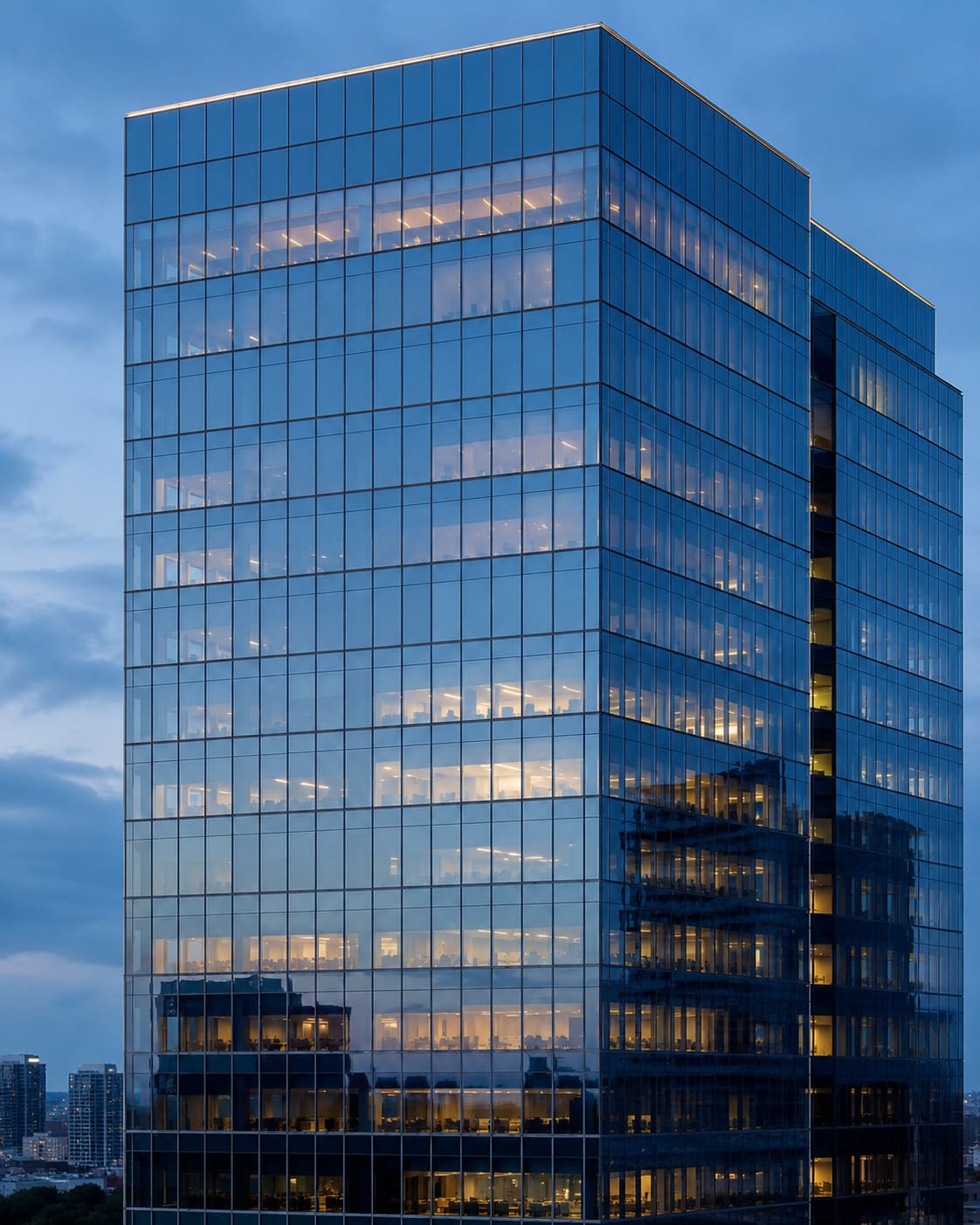
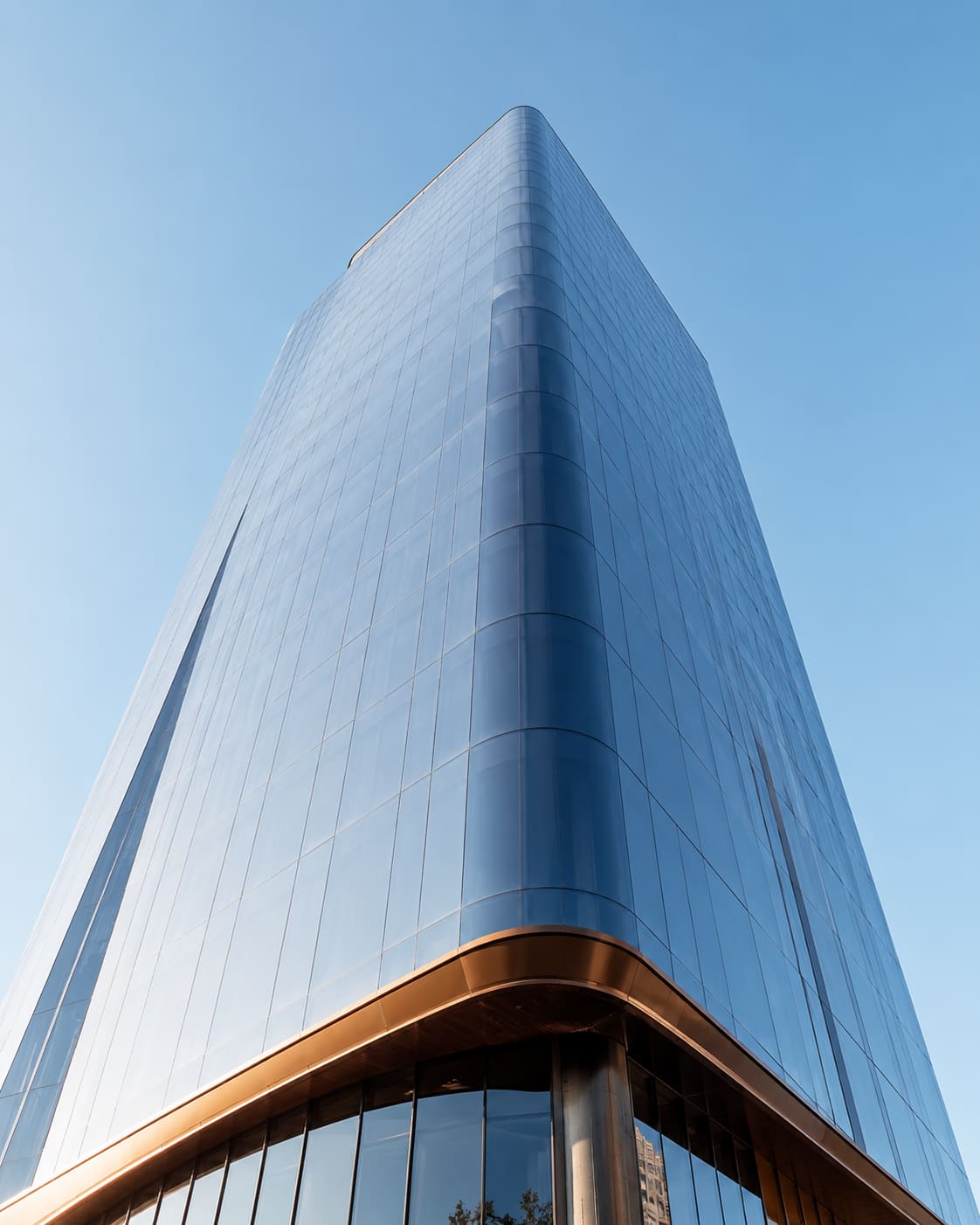
Structural glazing is a facade system where glass panels are bonded to a supporting aluminium frame using high-strength structural silicone, so the metal framework sits behind the glass rather than in front of it. The result is a smooth, near-frameless glass skin with only thin silicone joints visible from outside - the look you see on modern IT campuses and corporate towers across HITEC City and Gachibowli.
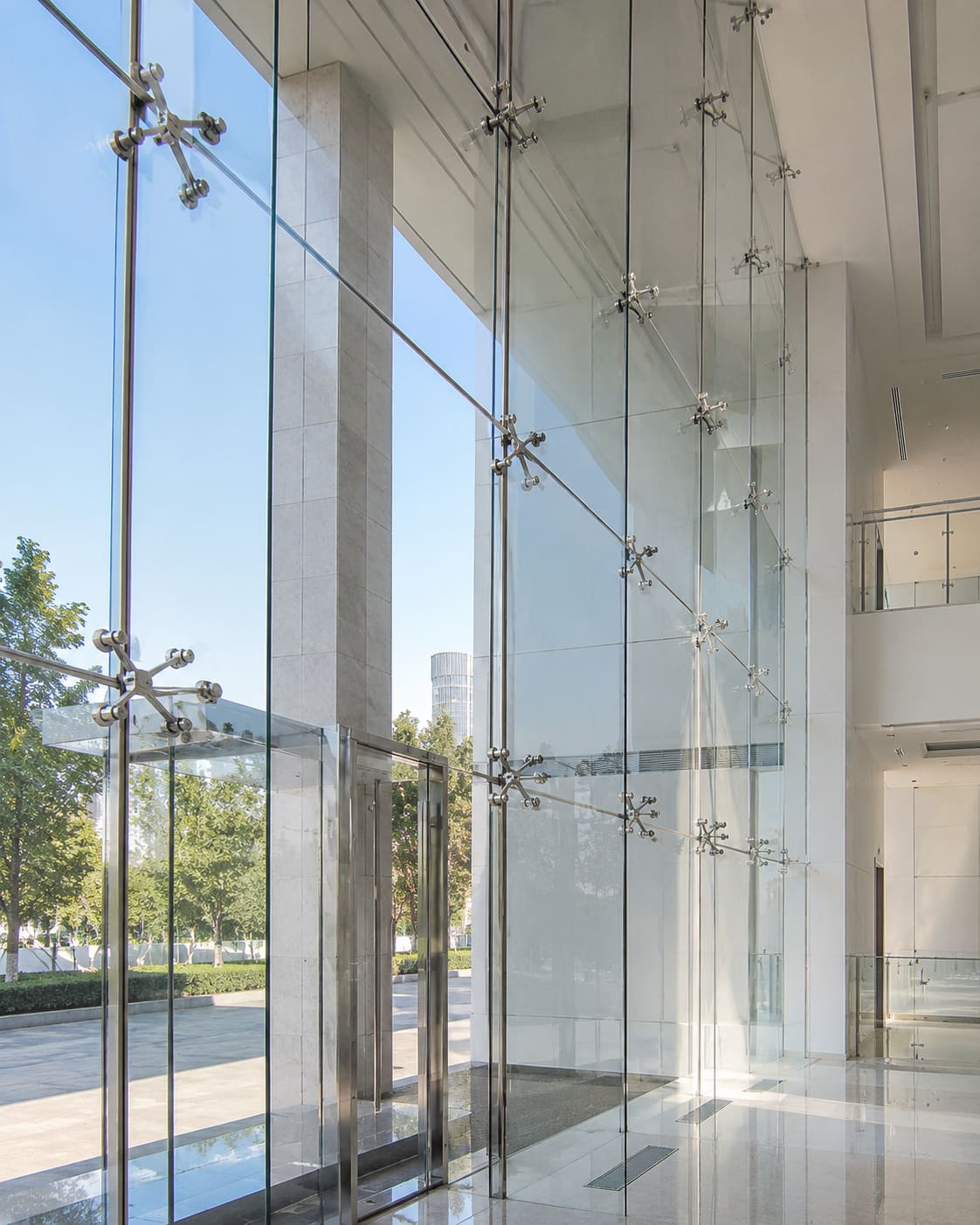
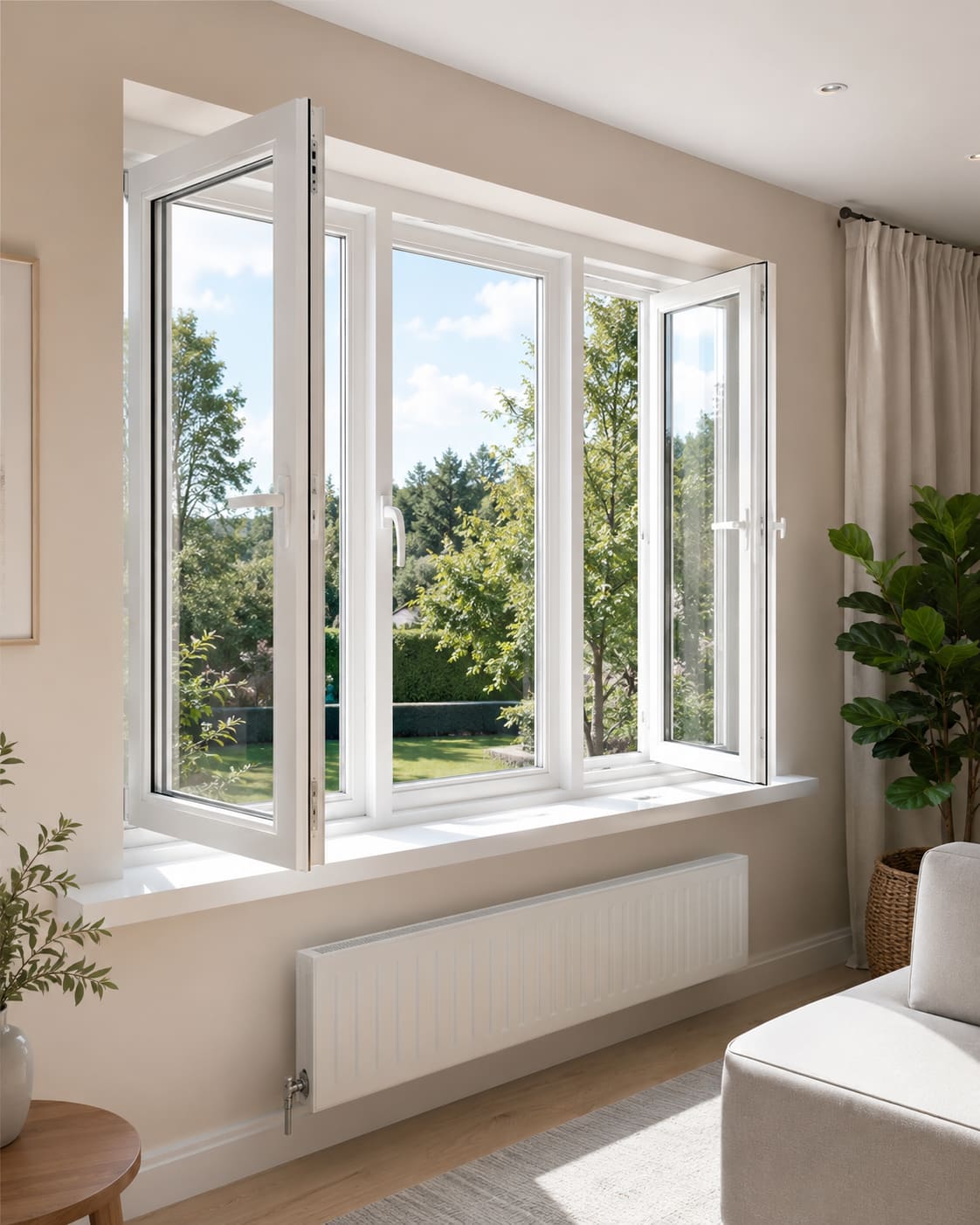
It differs from conventional windows, where each pane sits inside a visible aluminium frame. In structural glazing, the load path runs from the glass, through the silicone bond, into the concealed frame and back to the building structure. There are a few common variants used in Hyderabad: frame-supported (semi-unitised) glazing for most offices, point-fixed spider glazing for lobbies and atriums, and fully unitised systems for tall towers. If you want the full technical picture of assemblies and detailing, our structural glazing service page breaks down each system, and our wider glass facade work covers cladding, canopies and entrances that often accompany it.
Because the glass is bonded rather than clamped, the quality of the silicone, the surface preparation and the workmanship matter enormously - far more than with ordinary windows. This is the single biggest reason identical-looking facades can perform so differently a few years down the line.
What structural glazing costs in Hyderabad (per sq ft)
Structural glazing in Hyderabad typically costs ₹550 to ₹1,100 per sq ft of facade area in 2026, depending on glass type, spider versus frame system, building height and finish. Here is how the twin-city pricing breaks down:
- Semi-unitised, single-glazed reflective (6mm–8mm): ₹550–₹700 per sq ft - common for showrooms in Kukatpally, Kompally and Dilsukhnagar.
- Double-glazed (DGU) with argon fill and Low-E coating: ₹800–₹1,000 per sq ft - the standard for IT offices in HITEC City and Gachibowli.
- Spider glazing / point-fixed with toughened glass: ₹950–₹1,100+ per sq ft - used for double-height lobbies and atriums in Financial District towers.
- Ceramic-fritted or high-performance solar glass: add ₹80–₹200 per sq ft over the base glass cost.
By comparison, conventional aluminium windows run ₹400–₹650 per sq ft, so structural glazing carries a ₹150–₹450 per sq ft premium. For a typical 4,000 sq ft office facade in Madhapur, budget ₹32–40 lakh for a good DGU structural glazing system installed. Prices swing with the aluminium and glass market, so treat these as indicative and confirm the current rate when you get a free quote for your specific elevation.
The cost breakdown: where your money goes
Understanding the split helps you spot where a suspiciously cheap quote is cutting corners. On a well-built DGU facade in Hyderabad, costs distribute roughly as follows:
- Glass: 35–45% - the single biggest line item; DGU and Low-E coatings cost far more than plain reflective glass.
- Aluminium framing and brackets: 20–30% - grade and section thickness directly affect wind resistance and longevity.
- Structural silicone and weather sealant: 8–12% - small in rupees, huge in consequence; this is where cheap jobs save money and later fail.
- Fabrication and installation labour: 15–20% - skilled facade crews with scaffolding or gondola access.
- Hardware, gaskets, drainage and accessories: 5–10%.
A quote that is 20–30% below the market almost always trims the sealant, the drainage detailing or the glass spec - the three things you can least afford to compromise in this climate.
Materials, glass and specs that matter locally
The right specification is what separates a facade that lasts 25 years from one that fails in two monsoons. For Hyderabad and the wider Telangana and Andhra Pradesh climate, insist on these:
- Glass: double-glazed units with a high-performance reflective or Low-E coating and a Solar Heat Gain Coefficient below 0.35, to cut cooling load during 42°C-plus summers in Kokapet and Kukatpally.
- Safety glass: toughened or laminated glass for any facade above the ground floor, in lobbies, and on towers above 8 floors in the Financial District, backed by a wind-load calculation.
- Structural silicone: only branded grades (Dow, Sika or GE) with a proven multi-year bond and a valid warranty - avoid unbranded local sealants that yellow and debond in the sun.
- Aluminium: quality extrusions from reputable Indian brands with adequate wall thickness; thin sections flex and stress the glass bond over time.
- Drainage: a drained-and-pressure-equalised design with weep holes, so any water that gets past the outer seal drains out rather than pooling inside the frame.
You can see how these specs come together on real elevations in our recent projects, which include offices, showrooms and mixed-use buildings across the twin cities.
Pros and cons: an honest look
Structural glazing buys you appearance, daylight and property value, but it demands correct engineering and disciplined maintenance. Weigh both sides before you commit.
Advantages:
- A seamless, premium frameless look that signals a Grade-A building and lifts brand perception.
- Excellent daylighting, which reduces artificial lighting load and improves interiors.
- With DGU and Low-E glass, meaningfully lower air-conditioning bills across the long cooling season.
- Higher rental and resale value - often the strongest single reason for commercial owners.
- A 20–25 year service life when built correctly, with minimal reglazing.
Drawbacks:
- Higher upfront cost than conventional windows - the ₹150–₹450 per sq ft premium is real.
- Unforgiving of poor workmanship; a bad silicone bond or missed drainage detail causes leaks and fogging.
- Requires periodic professional facade cleaning, twice a year on dusty arterial roads.
- Repairs need specialist crews and access equipment, not a local handyman.
When it is worth it - and when it is not
Structural glazing is worth it when appearance, daylight and property value drive returns, and not worth it for tight-budget residential builds. Use this quick test for the twin cities:
- Worth it: corporate offices, IT parks and co-working spaces in Gachibowli, HITEC City, Kondapur and Nanakramguda, where a premium look raises rent by ₹5–₹15 per sq ft/month.
- Worth it: showrooms and retail on high-visibility roads in Banjara Hills, Jubilee Hills, Kokapet and Kukatpally, where a frameless glass frontage directly drives footfall.
- Worth it: high-rise apartments and clubhouses marketing a modern facade to buyers.
- Not worth it: small independent homes and budget commercial sheds - standard aluminium or uPVC windows are more practical and cheaper to maintain.
- Borderline: G+2 mixed-use buildings in Secunderabad, Kompally and Uppal - glaze only the street-facing elevation to control cost while keeping the frontage impressive.
If you are unsure which bucket your project falls into, a facade consultant can model the rental uplift against the cost; browsing our services is a good starting point to see what fits your building type.
How it stands up to Hyderabad's climate
Structural glazing performs well in Hyderabad's climate only when the glass, sealants and drainage are specified for heat, monsoon and dust - cheap systems fail fast. The three local stress tests are:
- Heat: high summer temperatures make SHGC-controlled DGU or Low-E glass essential; plain single glazing turns offices into greenhouses and inflates cooling bills.
- Monsoon: driving June-to-September rain will find any weakness, so a drained, pressure-equalised system with functioning weep holes is non-negotiable.
- Dust: road dust dulls glass quickly on arterial stretches, so plan easy-clean coatings and twice-yearly professional cleaning from day one.
For towers above 8 floors in the Financial District and along the Outer Ring Road, add a wind-load structural calculation and specify toughened or laminated glass. Get these fundamentals right and the facade shrugs off Telangana weather for two decades; skip them and you will be resealing joints by the second monsoon.
Common mistakes to avoid
Most structural glazing failures in Hyderabad are avoidable and trace back to a handful of decisions made to save a little money upfront. Steer clear of these:
- Choosing the cheapest quote: it almost always hides thinner aluminium, unbranded sealant or skipped drainage that costs far more to fix later.
- Using unbranded structural silicone: it yellows, debonds and can let panels loosen - the most dangerous corner to cut.
- Skipping the drainage design: without weep holes and pressure equalisation, monsoon water is trapped inside the frame and leaks inward.
- Under-specifying glass: single glazing on a west or south facade drives up cooling bills and occupant discomfort for the life of the building.
- Ignoring maintenance: even a perfect facade needs periodic cleaning and joint inspection to reach its full lifespan.
- Hiring a general contractor instead of a specialist facade crew: bonded glass is unforgiving of amateur workmanship. Reviewing a contractor's completed jobs before signing - as you can with our recent projects - is the simplest safeguard.