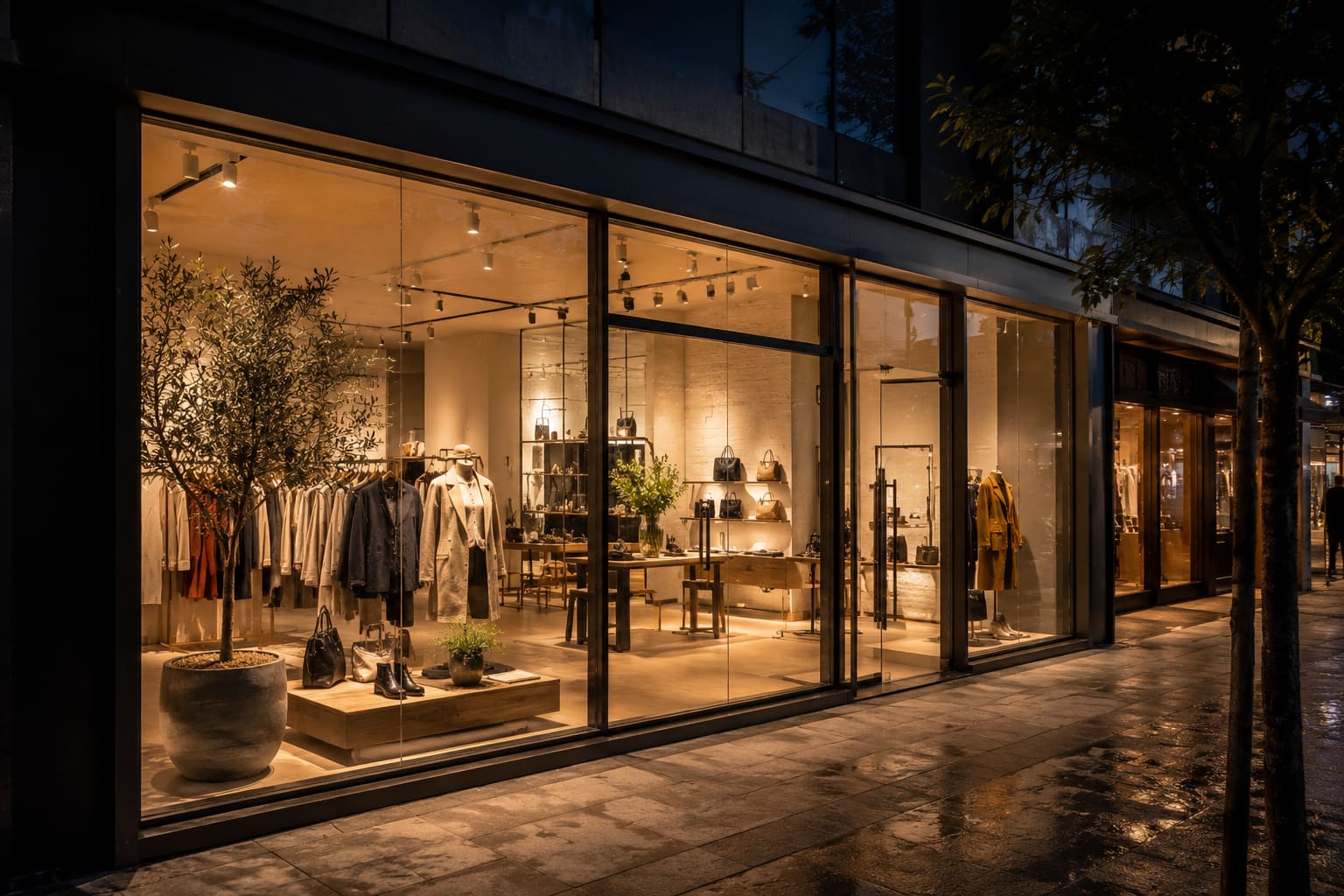
The best retail shopfront design ideas for a Hyderabad store combine a large, uncluttered glass display window, a clearly marked recessed entrance, heat-reflective glazing for our climate, and integrated backlit signage that stays legible after dark. Get those four elements right and you convert a passing glance into a walk-in; get them wrong and your store disappears next to a sharper-looking neighbour. In a busy market like Abids, Ameerpet, or a high-street stretch in Banjara Hills, a shopper decides in under three seconds whether to step inside, so every square foot of frontage has to work hard.
At Hakimi Aluminium and Glass, we design, fabricate and install shopfronts across Hyderabad, Secunderabad, Telangana and Andhra Pradesh, balancing kerb appeal with heat control, security, GHMC compliance and budget. Whether you run an apparel showroom in Kondapur, a jewellery store in Kokapet, a mobile outlet in Madhapur, or a cafe near Hitec City, the design logic is similar even when the finish level differs.
This guide walks through the shopfront directions that actually work in our heat, monsoon and dust, the materials worth paying for, honest INR ranges so you can plan before you commit, and the compliance and installation details that decide whether your storefront still looks new three monsoons from now.
What Shopfront Design Ideas Actually Drive Footfall?
The best shopfronts do one thing clearly: they show the product and the brand without clutter. A cramped frame, mirrored film that hides the interior, or a wall of vinyl posters all send the same signal to a shopper, that there is nothing worth seeing inside. Here are the directions we recommend most for retail across Telangana:
- Frameless toughened glass fronts: 10mm or 12mm clear glass with minimal patch fittings for a clean, premium look ideal for apparel, jewellery and mobile stores. Our toughened glass shopfront systems maximise the visible display area by removing bulky mullions.
- ACP-clad facades with glass inserts: aluminium composite panels frame large vision glass, letting you carry brand colours across the elevation. A well-planned ACP cladding band above the glass line doubles as a durable signage backdrop.
- Full-height display windows: floor-to-ceiling glazing that turns your merchandise into the signage itself, perfect for showroom glazing and lifestyle brands.
- Recessed entrances: pulling the door back a metre creates a sheltered threshold, weather cover during monsoon, and more display frontage on either side of the door.
- Backlit and channel-letter signage: integrated LED signage keeps the brand legible after dark, which matters for the long evening retail hours common in Hyderabad and Secunderabad.
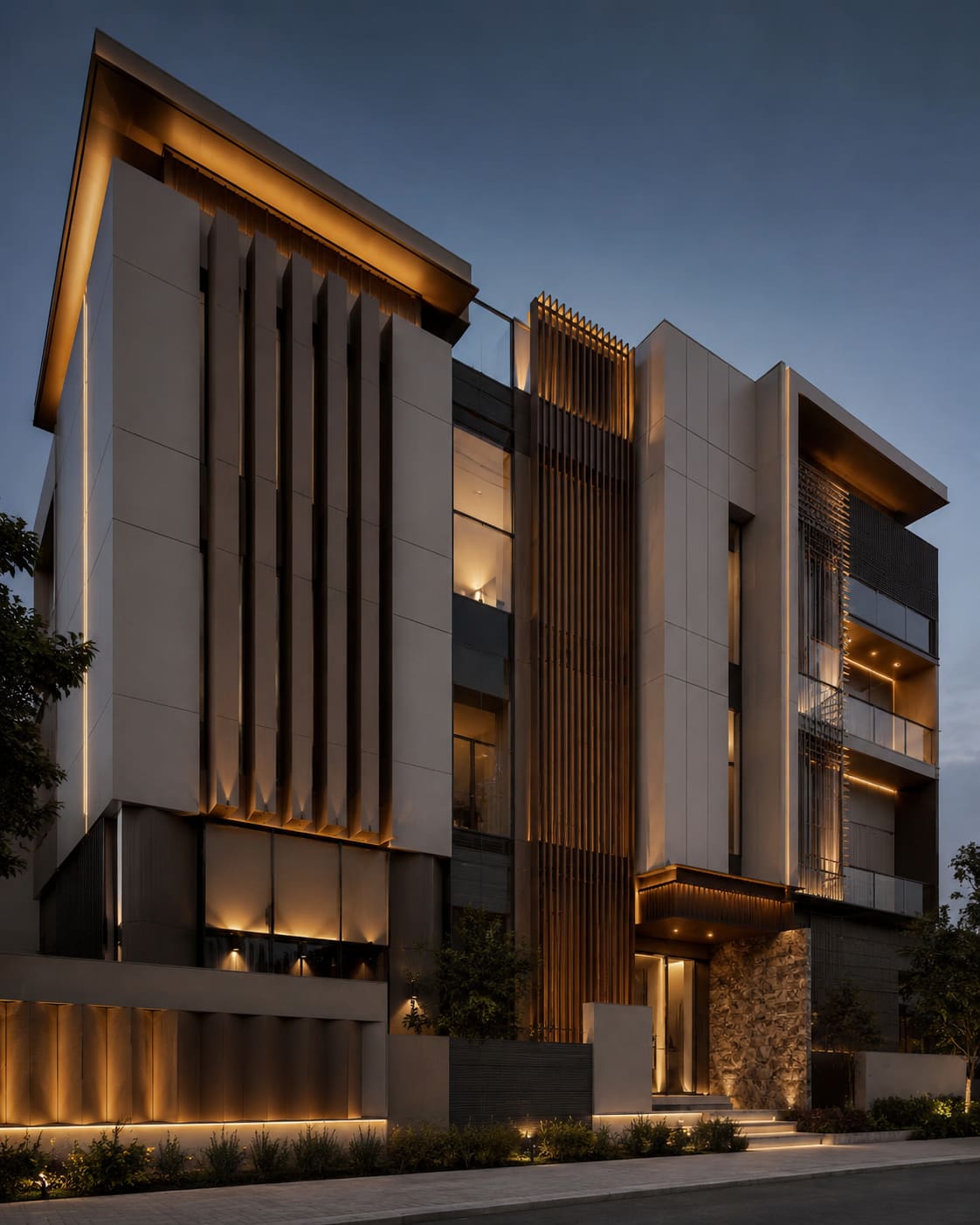
For higher-end stores, a structural glass storefront with slim vertical fins reads as genuinely premium and photographs beautifully for Instagram-driven brands, which is now a real footfall channel in areas like Jubilee Hills and Financial District.
Frameless Glass or Aluminium Framed: Which Suits Your Store?
The single biggest design decision is how much visible frame your shopfront carries. Both approaches work, they simply suit different budgets and brand positions.
Frameless toughened glass gives the cleanest, most premium result. With patch fittings top and bottom and minimal hardware, almost the entire frontage becomes display glass. It suits jewellery, fashion, eyewear, electronics and any brand selling on aspiration. The trade-off is higher glass cost and the need for precise installation, since there is nowhere to hide a poor measurement.
Aluminium framed glass, using slim aluminium doors and windows sections, costs less, installs faster, and handles very high door-swing traffic without complaint. It is the sensible pick for supermarkets, pharmacies, mobile-recharge outlets, service centres and any store where the door opens hundreds of times a day.
- Choose frameless when: premium positioning, moderate door traffic, generous budget, maximum visual impact.
- Choose aluminium framed when: value positioning, heavy door traffic, faster turnaround, tighter budget.
Many of our Hyderabad clients land on a hybrid, an aluminium framed automatic sliding door entry flanked by large frameless fixed display panels, capturing the strengths of both.
Choosing the Right Materials for Hyderabad's Climate
Hyderabad summers push facades hard, with surface temperatures that punish cheap materials, so material choice is not just cosmetic. Toughened glass is mandatory for safety and complies with typical mall and municipal norms, because on impact it shatters into small blunt granules rather than dangerous shards.
For west or south-facing shops taking direct afternoon sun, we recommend heat-reflective or tinted glass to cut interior heat load and protect stock from fading. A reflective glass facade or double-glazed unit can meaningfully lower your air-conditioning bill over a full Telangana summer, which matters when you are cooling a glass box from 10am to 10pm.
Aluminium sections should be powder-coated or anodised to resist the humidity and dust common across Telangana, and the salt-laden air along coastal Andhra Pradesh. For the frame system, a slim structural glazing profile looks contemporary, while a sturdier commercial section suits high-traffic doors. For stores wanting climate control without visible framing, our front elevation glazing systems seal tightly against monsoon-driven rain.
- Clear toughened glass: everyday retail, maximum product visibility, shaded or north-facing frontages.
- Reflective or tinted toughened glass: sun-facing frontages, better heat control, reduced fading of textiles and packaging.
- Laminated glass: added security and sound insulation for high-value stores on noisy main roads.
- ACP panels: durable, low-maintenance branded surfaces above the glass line and around the signage band.
How Do You Design the Entrance and Display Zone?
A shopfront is not just a wall of glass, it is a sequence a customer moves through. The two zones that decide conversion are the display window and the entrance, and they should be planned together.
The display window works hardest at eye level. Keep the lower 600mm as a solid or branded plinth if you sell small items so merchandise sits at a comfortable viewing height, or run full-height glass for fashion and furniture where the whole product is the hero. Good internal lighting behind the glass matters as much as the glass itself, especially for evening trade.
The entrance should be obvious and welcoming. A recessed threshold pulls shoppers in off the footpath, shelters them during monsoon downpours, and creates natural display frontage on both sides. Automatic sliding entries suit high-footfall stores and are effectively step-free, which widens your customer base. For boutiques, a single wide frameless glass door with a quality floor spring and pull handle signals quality the moment it is touched.
- Keep the entrance clearly wider and better lit than the surrounding glass to guide the eye.
- Avoid heavy manual doors on high-traffic stores, they create bottlenecks at peak hours.
- Position signage above the door line, not across the display glass, so merchandise stays visible.
What Does a Retail Shopfront Cost in INR?
Pricing depends on glass thickness, hardware quality, signage and automation, but these Hyderabad market ranges help you budget realistically. Treat them as planning figures, then get a measured quote for your exact frontage.
- Aluminium framed glass shopfront: approximately Rs 550 to Rs 900 per sq ft.
- Frameless toughened glass front (12mm) with patch fittings: approximately Rs 1,000 to Rs 1,600 per sq ft.
- Structural glazing facade with ACP: approximately Rs 1,400 to Rs 2,200 per sq ft.
- Automatic sliding glass entrance: approximately Rs 1,10,000 to Rs 2,00,000 per unit installed.
- Backlit acrylic or channel-letter signage: approximately Rs 350 to Rs 900 per sq ft.
A compact 12ft store frontage typically lands between Rs 60,000 and Rs 1,80,000 depending on the finish level you choose. A larger showroom frontage in a premium location like Gachibowli or Kokapet, with structural glazing, ACP branding and an automatic door, can run to Rs 4,00,000 or more, but it is amortised over years of trading and tends to pay back through higher walk-in rates. If you are weighing a full elevation upgrade rather than just the ground-floor shop, our cladding and elevation team can quote the whole facade as one scope. When you are ready, you can get a free quote with a site visit anywhere across Hyderabad and Secunderabad.
How Do You Keep a Shopfront Secure After Hours?
A glass shopfront and strong security are not in conflict when the system is specified properly. The goal is a store that looks open and inviting by day and is genuinely hard to breach at night.
Toughened glass resists impact far better than ordinary glass, and laminated toughened glass adds an interlayer that holds together even when cracked, buying time against smash-and-grab attempts. For stores holding high-value stock like jewellery or electronics, our security glazing and burglar resistant glazing options add a serious deterrent layer without turning the frontage into a fortress.
- Specify laminated toughened glass for street-facing high-value retail.
- Add quality floor springs and multi-point locks on manual glass doors.
- Consider recessed roller shutters behind the glass line for overnight closure without spoiling the daytime look.
- Use tamper-resistant patch fittings and hardware rather than the cheapest available.
Good hardware also matters for daily durability. A budget floor spring on a door that swings a thousand times a day will fail within a season, so this is not the place to save a few thousand rupees.
Getting Compliance and Installation Right
Before finalising a design, confirm any mall guidelines, GHMC signage rules or complex-specific facade codes that apply to your location. Uniform shopfront height, permitted projection over the footpath, and designated signage zones are often mandated in organised retail complexes across Hyderabad and Secunderabad, and ignoring them can mean a costly rework or removal notice.
Installation quality decides how long the shopfront looks new. Correct glass thickness, quality spider or patch fittings, properly sealed silicone joints and level door hardware prevent the sagging, rattling and water ingress that plague cheap jobs, problems that show up fast once the monsoon arrives. We handle site measurement, fabrication and installation as one package so accountability stays in one place, and you can see the standard of finish in our completed projects across the city.
- Verify signage size and illumination limits with the complex or GHMC before ordering.
- Insist on structural silicone and quality weather sealing at every joint.
- Check that glass thickness matches the panel size, larger panels need thicker glass.
- Plan installation for off-peak hours if you are refitting an operating store.
Which Shopfront Ideas Suit Different Store Types?
The right idea depends on what you sell and where. Matching the design to the category avoids overspending on features your customers do not value.
- Fashion and apparel: full-height frameless display glass, strong internal lighting, mannequins as the signage. Consider glass partitions inside to create fitting-room zones without blocking light.
- Jewellery and eyewear: frameless toughened glass with laminated security glazing, focused spotlighting, and a controlled, premium entrance.
- Cafes and QSR: large sliding or folding openings that blur the line between inside and footpath, using aluminium slide fold doors to open the frontage fully in pleasant weather.
- Electronics and mobile: bright aluminium framed glass with a durable ACP branding band and a hardworking automatic door.
- Supermarkets and pharmacies: value-focused aluminium framed fronts, automatic entries, and clear, high signage for quick recognition.
Whatever the category, the fundamentals hold, show the product, make the entrance obvious, control the heat, and light the brand for the evening. Get those right and the shopfront pays for itself in additional walk-ins.