Double glazing is worth it in Hyderabad for any window that faces the sun or a busy road and sits in an air-conditioned room. A well-built Double Glazed Unit (DGU) with a Low-E or reflective coating cuts solar heat gain by 40-60% and traffic noise by 10-15 decibels compared with a single pane, which directly lowers your cooling bill and makes bedrooms and offices measurably quieter. For shaded north-facing windows, utility areas or rarely used rooms, plain single glazing is usually the smarter spend.
The core difference is simple. Single glazing is one pane of glass with almost no thermal resistance, so heat pours in during the day and your AC fights it non-stop. A DGU seals two panes together with a 6-20mm air or argon-filled cavity that slows both heat and sound transfer. That sealed gap is the entire point, and getting it built and sealed correctly matters more than the brand of glass.
With summer temperatures crossing 42 degrees across Telangana, a punishing monsoon, fine construction dust and constant horn-heavy traffic on routes like the ORR, Gachibowli and Banjara Hills, glazing is no longer a cosmetic choice in Hyderabad. This guide breaks down the real performance and price difference in Indian conditions so you can decide where a DGU pays for itself and where it does not.
What actually changes between single and double glazing?
A single pane offers almost no insulation. In Hyderabad's peak summer the glass surface itself heats up, radiates into the room, and your air conditioner runs harder and longer to compensate. A DGU traps a sealed cavity of dry air or argon between two panes, and because still gas is a poor conductor of heat, that cavity dramatically slows heat and sound movement in both directions.
The measurable differences that matter in Telangana and Andhra Pradesh:
- Heat: a good DGU with a reflective or Low-E coating can cut solar heat gain by 40-60% versus plain single glass, easing AC load through the long cooling season.
- Noise: single glazing blocks roughly 25-30 dB; a well-made DGU reaches 35-45 dB, noticeably softening traffic, horns and construction noise.
- Condensation and glare: the insulated cavity reduces internal condensation during monsoon, and tinted or Low-E glass cuts harsh western glare.
- Security: two panes, ideally both toughened, are far harder to breach than a single sheet.
If your main complaint is glare and heat rather than noise, note that a high-performance single pane with a good reflective glass facade coating can get you part of the way, but it will never match a sealed DGU on noise or insulation.
How a DGU is built (and why it matters)
A DGU is not just two sheets of glass held apart. Around the perimeter sits a spacer bar filled with desiccant that absorbs any moisture trapped inside the cavity, and the whole assembly is locked together with a dual seal, usually a primary butyl seal plus a secondary structural seal. That seal system is what keeps the cavity dry and the gas in place.
Get the seal right and a DGU lasts 15-20 years. Get it wrong and the unit fogs internally within a season or two, at which point the glass is scrap because you cannot open a sealed unit to clean it. This is the single biggest reason to buy from a fabricator who builds units to spec rather than the cheapest quote in the market.
- Spacer: a warm-edge spacer performs better than plain aluminium and reduces edge condensation.
- Gas fill: argon insulates better than air for a small premium and is worth it on heat-facing glass.
- Cavity width: 12-16mm is the sweet spot for combined heat and noise performance in most Hyderabad homes.
You can see the difference construction quality makes across our completed projects, where the same glass spec performs very differently depending on how the units and frames were assembled.
How much does a DGU cost in Hyderabad? (INR pricing)
Prices vary with glass thickness, coating, spacer quality, gas fill and frame, but these are realistic 2026 ranges we see across Hyderabad, Secunderabad and Andhra Pradesh:
- Single glazing (5-6mm toughened): roughly INR 350-600 per sq ft installed.
- Standard clear DGU: roughly INR 750-1,100 per sq ft installed.
- Low-E or reflective argon-filled DGU: roughly INR 1,100-1,700 per sq ft installed.
So a DGU typically costs about 1.8x to 2.5x a single-glazed panel. For a mid-size 3BHK in Gachibowli, Kondapur or Kokapet, upgrading only the main heat-facing and road-facing windows to DGU commonly adds INR 60,000-1,50,000 depending on window count and glass specification.
The frame is a real part of the budget too. Fitting DGUs into quality uPVC windows or thermal-break aluminium frames adds cost over basic aluminium but protects the performance you are paying for. For a tailored estimate on your exact window schedule, you can get a free quote with room-by-room specifications.
Is a DGU worth it? When it pays off
A DGU is worth it when the window faces the sun or a noise source and the room is air-conditioned for long hours. In those cases the reduced cooling load and comfort gain justify the premium over the life of the window. When those conditions are absent, single glazing is the rational choice.
- Strongly worth it: west and south-facing rooms that take the afternoon sun, bedrooms and study rooms near busy roads, high-floor apartments in Financial District or Kokapet that run AC most of the year, and commercial office front glazing where comfort and energy cost both matter.
- Often not worth it: shaded north-facing windows, utility areas, store rooms, staircases, rarely used rooms, and short-term rental flats where you will not stay long enough to recover the cost.
In Hyderabad's climate the return comes almost entirely from lower electricity bills and comfort, not from heating savings as in colder countries. Households running AC 6-8 months a year typically see a meaningful drop in cooling load, alongside the harder-to-price benefit of a quieter, cooler home during the hottest part of the day.
Which glass and coating should you choose for Telangana heat?
The cavity handles insulation, but the coating and tint on the outer pane decide how much of the sun's heat you block before it even enters the cavity. This is where most of the summer comfort in Hyderabad actually comes from.
- Low-E (low-emissivity) glass: a near-invisible metallic coating that reflects heat while keeping the glass clear. Best all-round choice for homes that want daylight without the heat.
- Reflective glass: a stronger tint that cuts glare and heat hard, ideal for full-height west-facing glazing and facades, at the cost of some daylight.
- Tinted or specialty glass: green, grey and bronze tints reduce glare and heat gain and suit specific elevation looks.
For safety, always specify toughened glass on large panels and any glazing at low level, and consider laminated glass work where you want both security and an extra step up in noise reduction, since the laminate interlayer damps sound better than a plain pane.
Does double glazing really cut traffic noise?
Yes, but with a caveat that most vendors skip. A standard DGU with two panes of the same thickness improves noise a little, but the biggest noise gains come from an asymmetric build, where the two panes are deliberately different thicknesses (for example 6mm outer and 4mm inner). Different thicknesses resonate at different frequencies, so together they block a wider band of traffic and horn noise.
For bedrooms facing the ORR, Outer Ring Road service lanes, or busy junctions in Madhapur and Hitec City, this asymmetric DGU plus a laminated acoustic pane is the configuration that actually delivers quiet. If noise is your only concern and heat is secondary, an acoustic glass partition approach to the glass spec often beats simply making both panes thicker.
Do not expect miracles from glass alone, though. If the window frame, seals or wall around it leak air, sound leaks with it. Noise control is a whole-window job, which is why the frame and installation quality matter as much as the glass.
The frame decides half the result
A high-performance DGU sitting in a cheap, non-insulated aluminium frame is a classic false economy. Plain aluminium conducts heat straight through the frame, bypassing the glass you paid a premium for, and often condenses in monsoon.
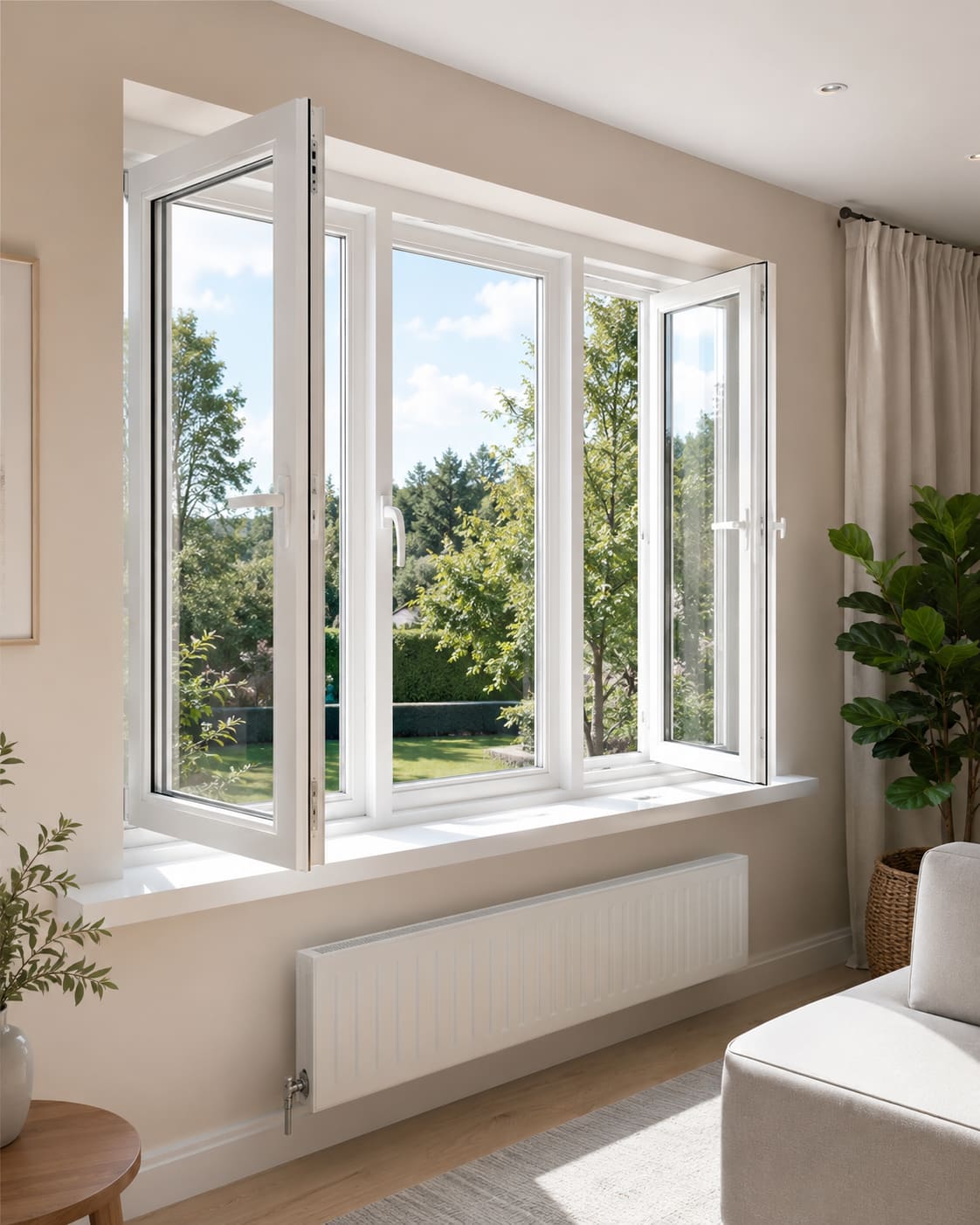
- uPVC frames: naturally insulating, resistant to Telangana's dust, heat and monsoon damp, and excellent value for residential windows. Our uPVC doors and windows pair well with standard and Low-E DGUs.
- Thermal-break aluminium: a nylon barrier splits the inner and outer aluminium so heat cannot bridge across, giving you the slim sightlines of aluminium with far better insulation. Ideal for larger openings and premium homes; see our thermal-break windows range.
- Standard aluminium: fine for single glazing in shaded or non-AC areas, but it undercuts the value of an expensive DGU.
For sliding openings onto balconies in high-rise apartments, aluminium sliding windows with a DGU give you the view and the insulation, provided the frame and rollers are specified for the weight of a double unit.
Homes vs offices and facades: what changes
For homes, the decision is window by window. Prioritise the west and south glazing and the road-facing bedrooms, keep single glazing for shaded and utility openings, and you get most of the benefit for a fraction of a whole-house upgrade.
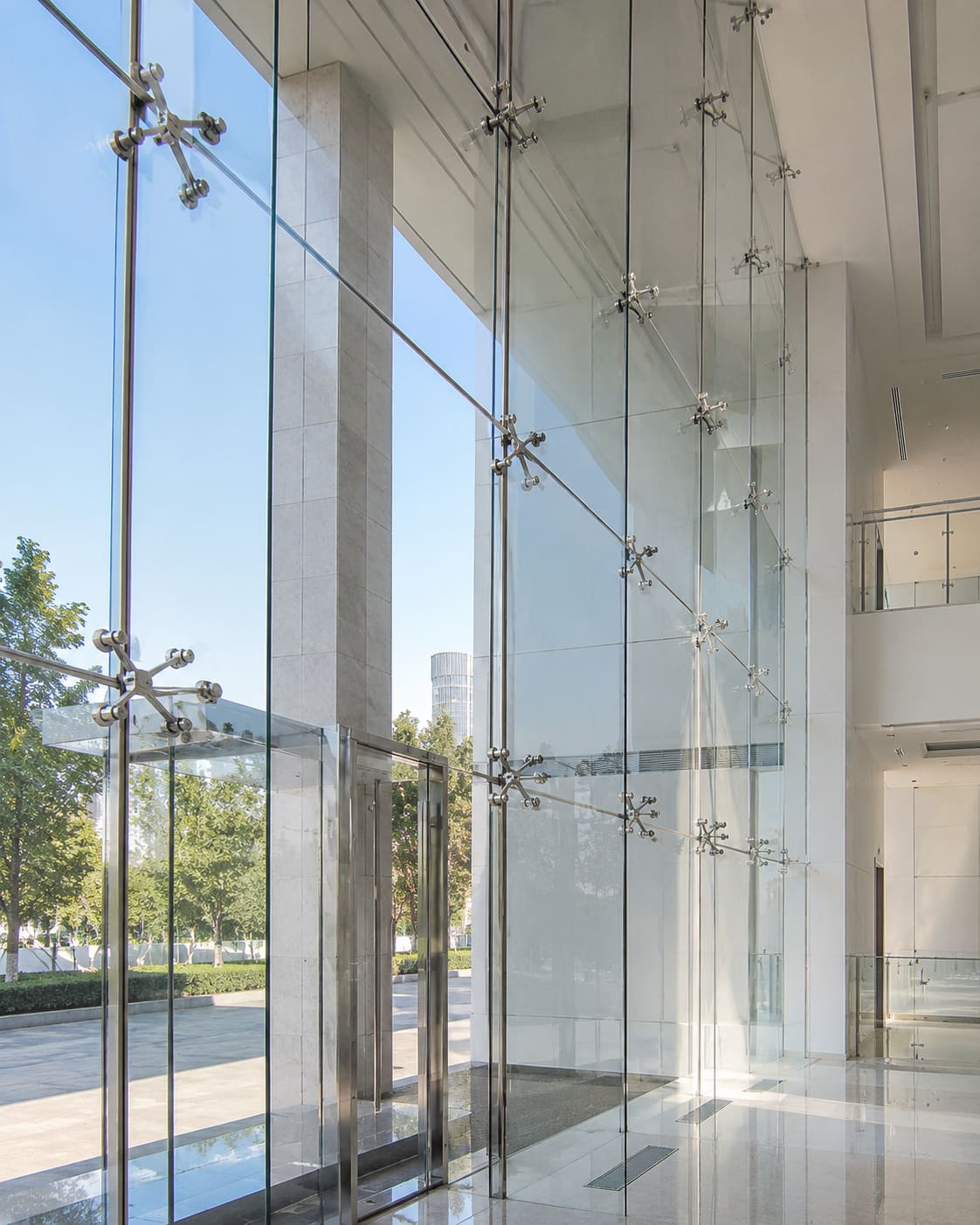
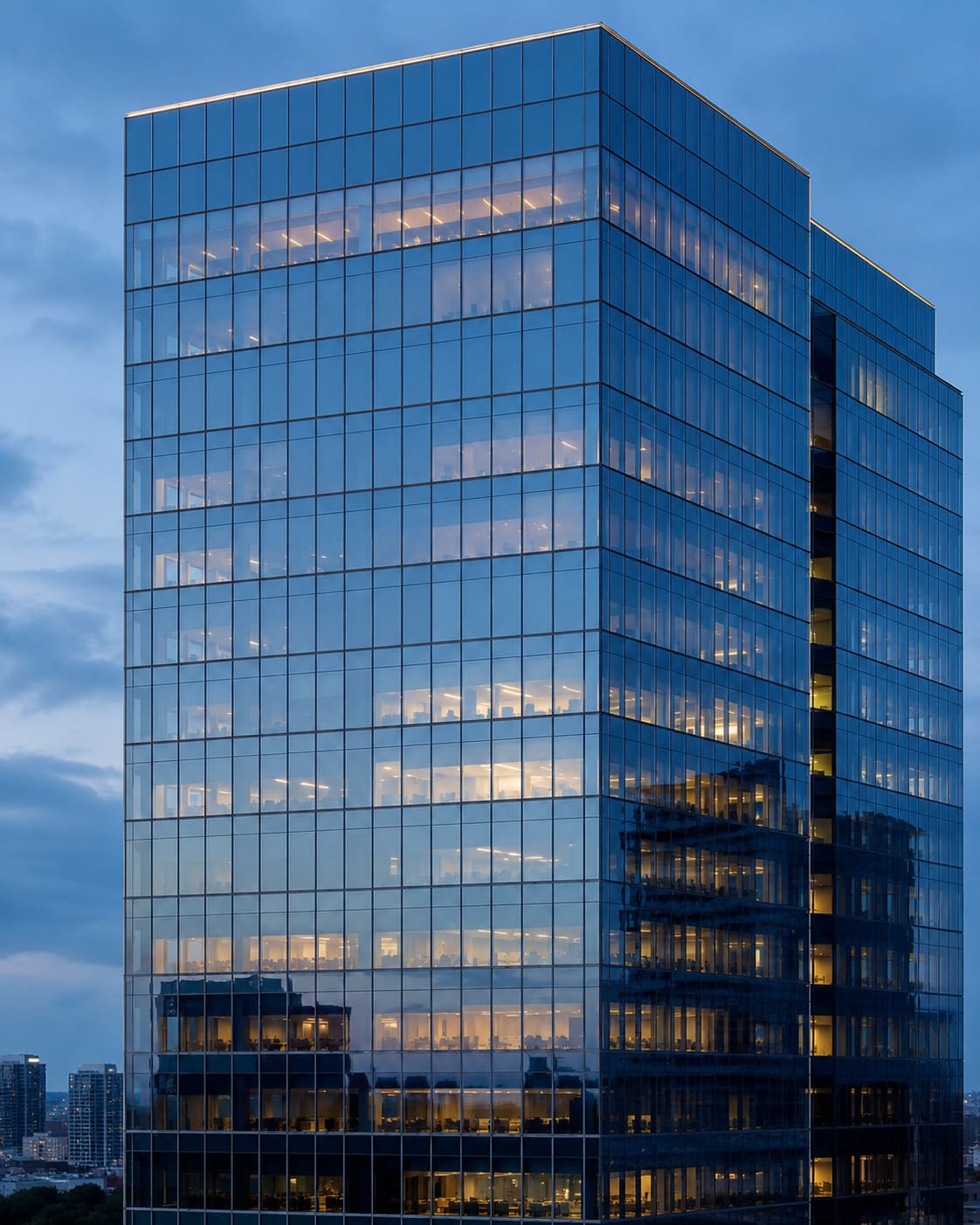
For offices and commercial buildings, DGUs are often the default rather than an upgrade, because the cooling load across a full glass elevation is large and continuous. A structural glazing or curtain wall glazing facade in Gachibowli or the Financial District almost always uses insulated units, and pairing them with DGU facade detailing is standard practice for energy performance and occupant comfort.
If you are weighing this against material choices more broadly, our comparison of uPVC vs aluminium windows covers the frame side of the decision in detail and complements the glazing question here.