Single, double and triple glazing differ by the number of glass panes and sealed air gaps between them: single glazing is one pane with a U-value of about 5.7-6.0 W/m2K, double glazing is two panes around a 12-16 mm cavity at roughly 1.1-2.8 W/m2K, and triple glazing is three panes with two cavities at about 0.6-1.0 W/m2K. Because a lower U-value means less heat flows through, triple glazing insulates best, double glazing offers the strongest cost-to-performance balance, and single glazing is the cheapest but thermally weakest. For most homes and offices in Hyderabad, Low-E double glazing is the right answer.
But pane count alone is a misleading way to shop. The correct choice depends on your climate, your noise exposure, your budget and how the glass is coated. In cold northern countries triple glazing pays back through winter heating savings. In a hot, cooling-dominated region like Hyderabad, Secunderabad and the wider Telangana and Andhra Pradesh belt, blocking solar heat gain matters far more than stopping winter heat loss, so a double-glazed unit with a Low-E (low-emissivity) coating usually gives the best return without the weight and expense of a third pane.
This guide compares all three constructions across build, thermal performance, noise, cost, weight, lifespan and Indian standards, then gives a clear recommendation for local conditions. If you already know you want a survey, you can get a free quote and we will size the right unit for your facade or windows.
How is each glazing type built?
Glazing is classified by the number of glass panes and the sealed cavities between them. Each added pane and cavity improves insulation but also adds thickness, weight and cost to the finished unit and its frame.
- Single glazing: one pane, typically 4-12 mm float, toughened or laminated glass; total assembly 4-12 mm.
- Double glazing (IGU): two panes (commonly 4-6 mm each) separated by a 12-16 mm cavity of dry air or argon; total 24-28 mm.
- Triple glazing: three panes with two 12-16 mm cavities; total roughly 36-50 mm and around 50 percent heavier than an equivalent double unit.
- The cavity is sealed at its edge with a spacer bar (aluminium or a warm-edge polymer) that holds desiccant to keep the gap moisture-free and prevent internal fogging.
- An argon fill and a Low-E coating on a cavity-facing surface lower the U-value further without adding any pane, which is why a good double unit can rival a basic triple unit on comfort.
The sealed cavity is the part you cannot see but that does the real work. Because Hyderabad summers push glass surface temperatures high and the monsoon drives humidity up, seal quality is what separates a unit that performs for two decades from one that fogs internally within a few years.
How do U-value and SHGC compare?
Thermal performance is measured by two numbers: U-value, which is how fast heat conducts through the assembly, and SHGC (solar heat gain coefficient), which is how much of the sun's radiant heat passes through. For both, lower means less unwanted heat flow.
- Single glazing: U-value ~5.7-6.0 W/m2K, high SHGC, effectively no insulation.
- Double glazing (dry air): U-value ~2.7-2.8 W/m2K.
- Double glazing (argon + Low-E): U-value ~1.1-1.6 W/m2K.
- Triple glazing (argon + Low-E): U-value ~0.6-1.0 W/m2K.
- In a hot climate the SHGC is the number that governs your air-conditioning bill. A low SHGC of 0.25-0.40 keeps solar heat out, and that is exactly what a Low-E double-glazed unit delivers, which makes it the ECBC-aligned sweet spot for the region.
Here is the practical takeaway for Gachibowli, Kokapet, Madhapur and the Financial District: an ultra-low U-value from triple glazing mostly helps in winter heat-loss climates. Hyderabad barely has a heating season, so paying for a third pane to shave the U-value from 1.2 to 0.7 buys comfort you will rarely feel, while a good solar-control coating on double glazing pays back every single summer afternoon. This is the same logic behind choosing the right reflective glass facade or DGU facade on commercial towers.
Which glazing blocks the most noise?
Double and triple glazing both cut noise far better than single glazing, but the biggest gains come from lamination and from using panes of different thickness, not simply from adding panes.
- Single glazing: roughly 25-30 dB reduction.
- Standard double glazing: roughly 30-35 dB reduction.
- Laminated or acoustic double glazing (with a PVB interlayer): roughly 35-42 dB reduction.
- Triple glazing: strong, but not automatically better than a good laminated double unit for traffic noise, because equal pane thicknesses can share a resonant frequency and let certain tones through.
- The trick is asymmetry: pairing, say, a 6 mm pane with a 8 mm laminated pane spreads the resonance and kills more road noise than three equal panes would.
Along busy corridors such as the ORR service roads, Kondapur main road or the Hitec City stretch, an asymmetric laminated double-glazed unit is usually the most cost-effective noise solution. If acoustics are your priority indoors rather than at the facade, an acoustic glass partition uses the same laminated principle to quiet meeting rooms and cabins.
What does each glazing type cost in India?
Cost rises with every pane and every performance coating, and the frame and hardware must get stronger as the glass gets heavier, so the real budget is more than the glass alone.
- Single glazing: approximately INR 350-700 per sq ft (glass only).
- Double glazing: approximately INR 700-1,400 per sq ft installed.
- Triple glazing: approximately INR 1,400-2,500+ per sq ft installed.
- A Low-E coating typically adds INR 100-250 per sq ft; an argon fill is a modest extra over dry air.
- Triple glazing's added weight requires heavier frames, larger hardware and stronger structural fixing, which pushes total facade cost up further than the glass price suggests.
For a typical Hyderabad flat or a small office cabin, moving from single to Low-E double glazing is the upgrade that actually changes how the room feels; moving from double to triple is usually the point of diminishing returns. Spend the difference on a better frame instead - a thermal break aluminium window or a well-made uPVC sliding window stops heat bridging through the frame, which is often the weakest link once you have decent glass.
How long does each type last, and what fails?
All three constructions can last for decades, but the failure mode that matters for double and triple units is the edge seal, not the glass.
- Single glazing has no cavity to fail, so it lasts as long as the glass and frame survive - but it never insulates well.
- A well-sealed IGU (double or triple) typically lasts 15-25 years before the edge seal degrades and lets humid air condense inside the cavity, showing as permanent internal fogging that cannot be cleaned.
- Warm-edge spacers, quality desiccant, dual sealing (polyisobutylene plus silicone or polysulphide) and correct site handling all extend that life.
- Hyderabad's heat-and-monsoon cycle stresses seals through daily thermal expansion, so a certified fabricator and clean installation matter more here than in a mild climate.
- Triple units, being heavier, put more load on hinges, rollers and structural silicone over time, which is another quiet reason double glazing ages more gracefully in most buildings.
This is why sourcing your IGU from a workshop that seals and pressure-tests units properly is worth more than a headline price. You can see the range of enclosures and facades we have delivered across the city in our completed projects.
Which Indian standards govern glazing?
Glazing in India should follow the National Building Code (NBC) 2016 and the Energy Conservation Building Code (ECBC), with material safety and wind-load design to the relevant Indian Standards.
- Safety and toughened glass: conform to IS 2553.
- Wind load design on glass and framing: per IS 875 Part 3, which matters for high-rise facades in exposed areas like Kokapet and the Financial District.
- Structural silicone glazing sealant: per ASTM C1401.
- Energy compliance and rated performance: guided by ECBC and BEE star ratings.
- Human-impact safety glazing in doors, low windows and railings: use toughened or laminated glass to reduce injury risk.
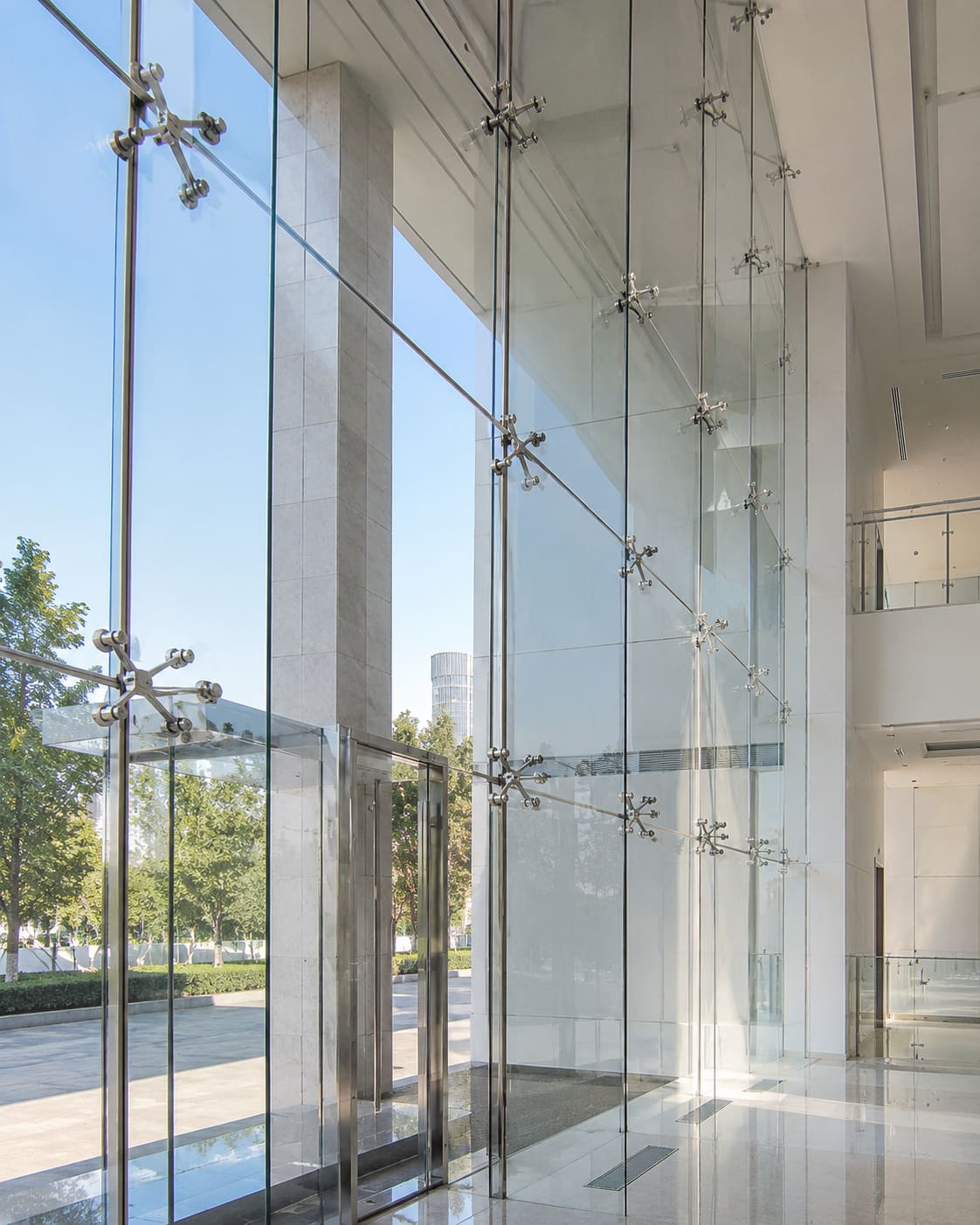
On tall or wind-exposed elevations these standards drive the glass thickness and the fixing method, whether you use a structural glazing system, a unitized curtain wall or a bolted spider glazing frontage. A short facade consultancy review at design stage usually saves far more than it costs by getting the glass specification right the first time.
Which glazing should you choose in Hyderabad?
For most buildings in Hyderabad, Secunderabad and across Telangana and Andhra Pradesh, the answer is Low-E argon double glazing. It blocks solar heat, cuts noise well when laminated, meets ECBC comfortably and costs far less than triple glazing.
- Homes and offices (Gachibowli, Madhapur, Kondapur, Kokapet): Low-E argon double glazing in a good frame is the default choice for comfort and energy value.
- Budget, non-air-conditioned or utility spaces: single glazing is acceptable where thermal comfort is not a priority and cost rules.
- High-noise sites or premium fully air-conditioned buildings: consider triple glazing, or an asymmetric laminated double unit which often matches it for noise at lower cost.
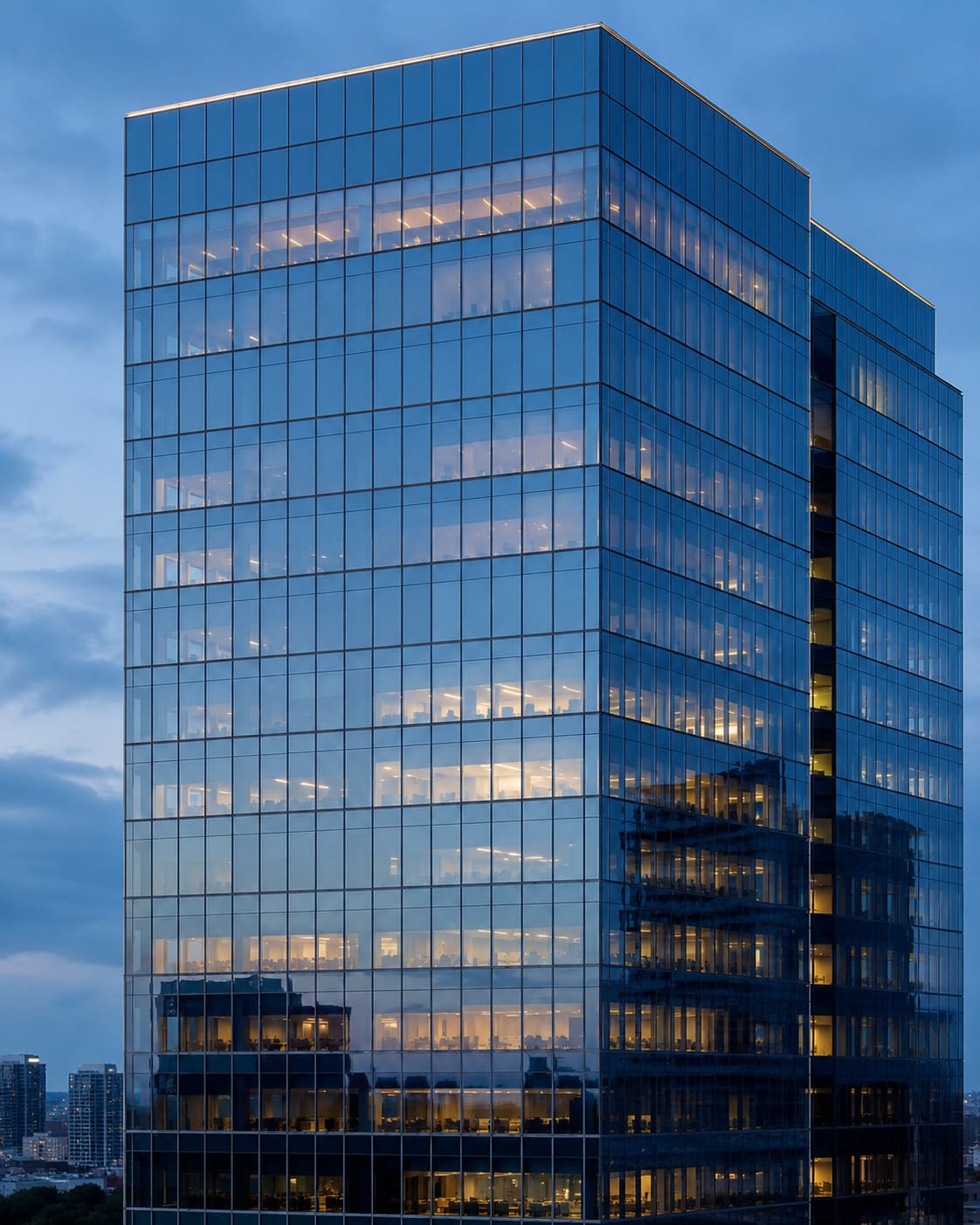
- Commercial towers and showrooms: pair Low-E DGUs with the right facade system, and add a solar-control or reflective glass facade where west and south sun is harsh.
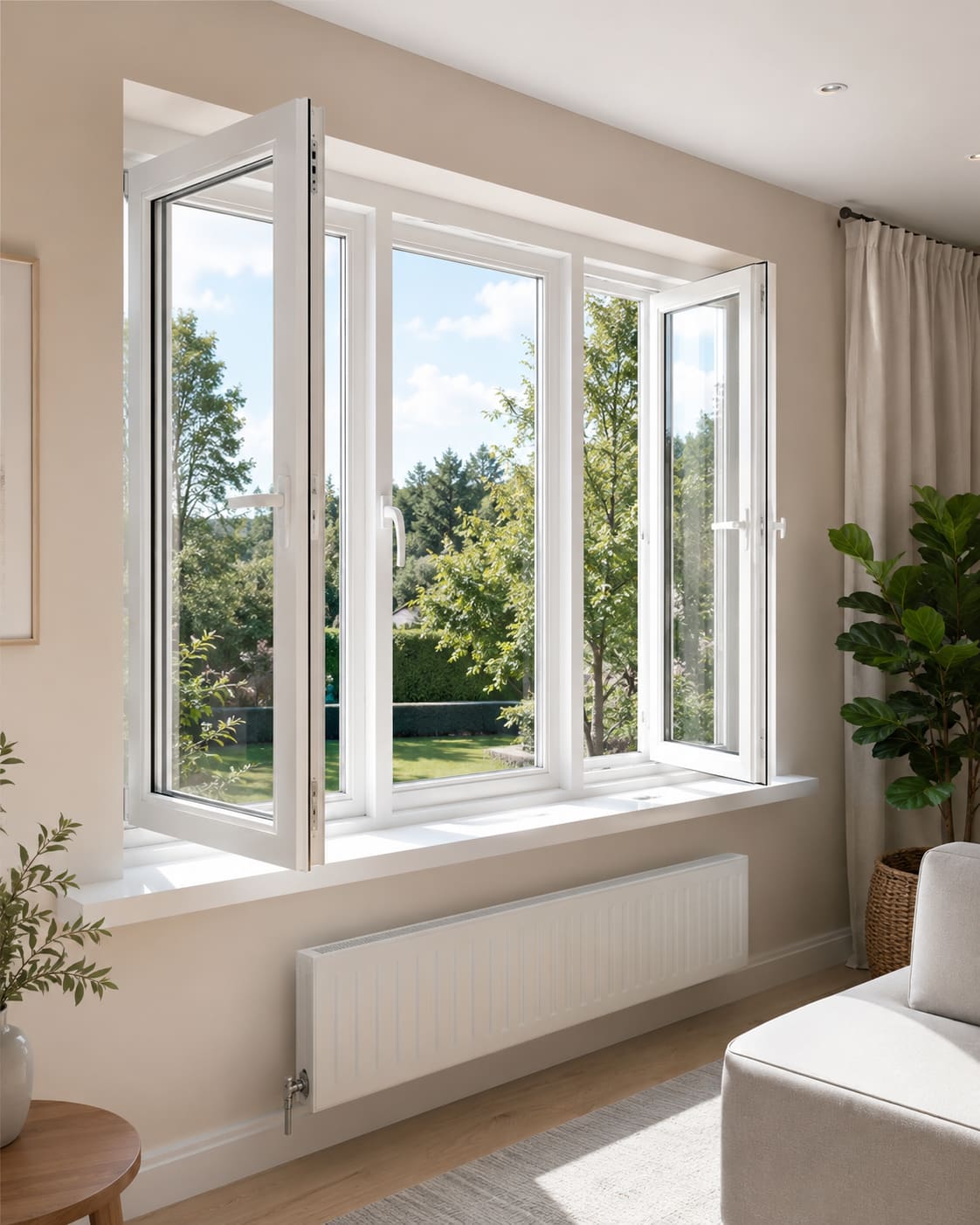
- Residential retrofits: often the single biggest comfort upgrade is swapping single-glazed frames for uPVC casement or sliding windows with a double-glazed sealed unit.
Hakimi Aluminium and Glass supplies, fabricates and installs single, double and triple glazed units across Hyderabad and Secunderabad, along with the frames and facade systems that carry them. If you want a specification matched to your building's orientation, budget and noise exposure, get a free quote and we will recommend the exact glass make-up that performs for your site.