Window frame materials compared: uPVC, aluminium, timber and composite are the four principal choices, and they differ most in thermal insulation (U-value), lifespan, cost per square foot and maintenance. uPVC and timber insulate best (frame U-values around 1.3-2.0 W/m2K), thermally broken aluminium is mid-range (2.0-2.4 W/m2K), and bare aluminium conducts heat readily (5.0-7.0 W/m2K); aluminium in turn wins on structural strength, slim sightlines and lifespan (30-45 years). For a typical Hyderabad home, uPVC gives the best value insulation, while aluminium is the material of choice for large openings and facades.
This article sets out a single data table so you can weigh the trade-offs against your climate, budget and opening size, then walks through each metric in detail. In a hot-composite city like Hyderabad, where summer highs cross 40 C and the monsoon drives wind-blown rain and dust, the frame's thermal break and the paired glass matter as much as the material name. Whether you are fitting out an apartment in Gachibowli, a villa in Kokapet or an office in Hitec City, the right frame plus the right glass unit is what keeps rooms cool, quiet and dry.
Window performance in India is framed by the National Building Code of India (NBC) 2016, the Energy Conservation Building Code (ECBC) and BEE star ratings for fenestration. We supply and install all four systems, so the comparison below is written from real project experience across Telangana and Andhra Pradesh rather than brochure figures. If you want a tailored recommendation, you can get a free quote and we will size the frame and glass to your specific openings.
The Data Table: Four Materials at a Glance
The table below compares the four main window frame materials on the metrics that decide most purchases. Figures reflect typical Indian residential product ranges in 2026 and assume a standard operable window with double glazing where relevant.
- uPVC: Frame U-value 1.3-2.0 W/m2K; lifespan 20-30 years; cost INR 450-900/sq ft; maintenance very low; strength moderate (steel-reinforced); recyclable yes.
- Aluminium (thermally broken): Frame U-value 2.0-2.4 W/m2K; lifespan 30-45 years; cost INR 600-1,200/sq ft; maintenance low; strength very high; recyclable 100%.
- Aluminium (standard, no thermal break): Frame U-value 5.0-7.0 W/m2K; lifespan 30-45 years; cost INR 350-700/sq ft; maintenance low; strength very high; recyclable 100%.
- Timber (hardwood): Frame U-value 1.4-2.0 W/m2K; lifespan 30-60 years; cost INR 900-2,500/sq ft; maintenance high (periodic sealing/painting); strength high; renewable.
- Composite (wood-clad or fibreglass/uPVC-aluminium): Frame U-value 1.3-1.8 W/m2K; lifespan 30-40 years; cost INR 1,000-2,800/sq ft; maintenance low; strength high.
No single material wins on every axis, which is why most homes end up with a mix: uPVC or uPVC casement windows in bedrooms for insulation, and aluminium sliding windows for balconies and large living-room openings where slim frames and big glass matter more.
Thermal Performance and U-Value: Which Frame Insulates Best?
uPVC and timber are the best-insulating frame materials because both are low-conductivity, while aluminium requires a polyamide thermal break to compete. A lower U-value means less heat transfer; a bare aluminium frame at 5.0-7.0 W/m2K can transmit three to four times more heat than a uPVC frame, which is why cheap non-broken aluminium windows feel hot to the touch on a Hyderabad afternoon.
The whole-window U-value combines frame and glass, so glazing choice is decisive. Single glazing gives a window U-value around 5.0-5.8 W/m2K; double-glazed insulated glass units (DGUs) drop it to roughly 1.8-2.8 W/m2K, and low-E coatings cut solar heat gain further. In practice, upgrading the glass unit often does more for comfort than upgrading the frame material.
In Hyderabad's cooling-dominated climate the Solar Heat Gain Coefficient (SHGC) often matters more than U-value alone, because the enemy is direct solar radiation through west- and south-facing windows. ECBC sets SHGC and U-value ceilings for the fenestration of conditioned commercial buildings, and our thermal break windows are specified to meet those limits on office projects in the Financial District and Madhapur.
- For air-conditioned homes in hot climates, pair any frame with a low-E DGU to control both conduction and solar gain.
- Use spacer bars and warm-edge technology in the DGU to cut condensation at the glass edge during humid monsoon nights.
- If you specify a DGU facade or curtain wall, the frame and glass are engineered as one thermal system rather than chosen separately.
Strength, Sightlines and Large Openings
Aluminium is the strongest common frame material and supports the largest glass panels and slimmest sightlines, which is why it dominates facades, sliding systems and floor-to-ceiling glazing. uPVC spans are limited unless galvanised steel reinforcement is inserted into the profile chambers, and even then very large sliders are better served by aluminium.
Frames and glazing must resist wind load calculated under IS 875 Part 3, which becomes critical for high-rise and large-span windows on Hyderabad's open-terrain and elevated sites such as the towers rising around Kokapet and the Financial District. The taller and more exposed the opening, the more the frame's stiffness matters.
- Aluminium: best for large sliders, curtain walls and facades; sightlines as slim as 20-45 mm. Explore our aluminium doors and windows range for large-format openings.
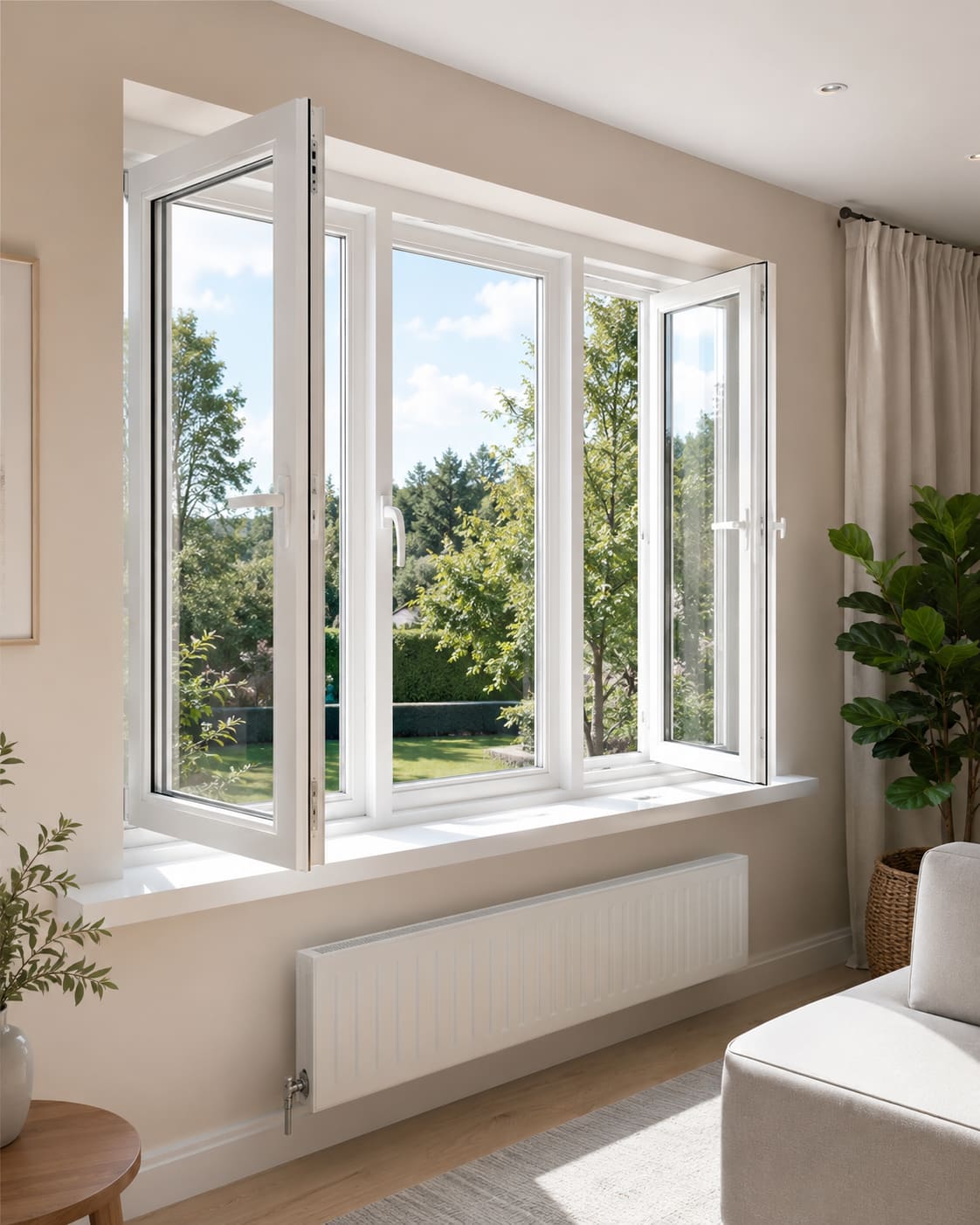
- uPVC: suited to standard casement and sliding windows up to moderate sizes; typical frame depth 60-70 mm with multi-chamber profiles.
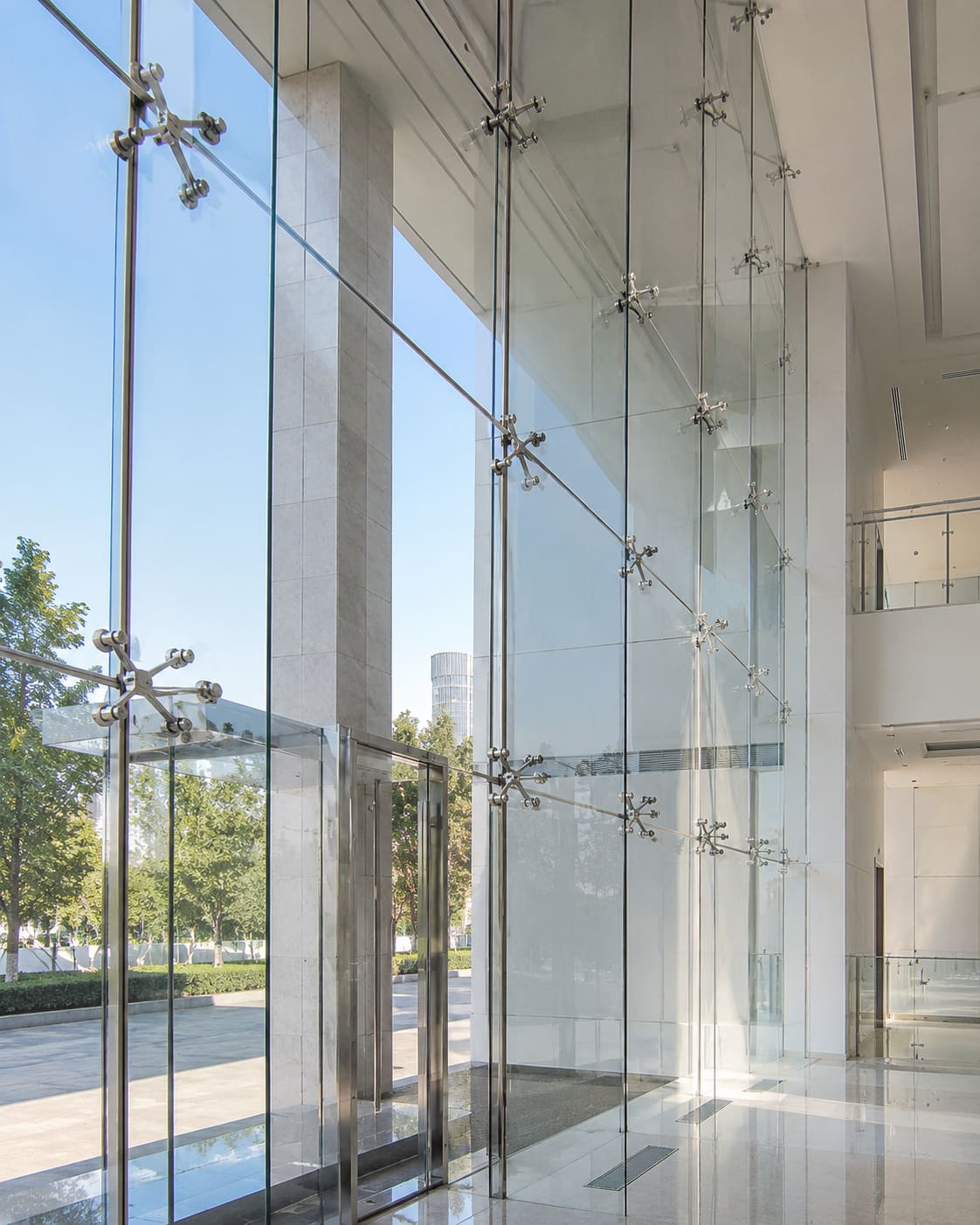
- For genuinely large glass walls, a structural glazing or facade and structural glazing system replaces the conventional window frame entirely and carries the glass on engineered aluminium mullions.
- Structural glazing on facades uses silicone qualified to standards such as ASTM C1401 for structural sealant glazing, so the glass-to-frame bond is certified for wind and thermal movement.
Cost, Lifespan and Maintenance Over 30 Years
uPVC gives the best insulation-per-rupee for homes, aluminium the best strength-and-lifespan value, and timber the highest cost and upkeep. Over a 30-year horizon, maintenance often outweighs purchase price, so the cheapest window at installation is rarely the cheapest to own.
- uPVC: lowest maintenance; does not rust, rot or need painting; UV-stabilised profiles resist yellowing; 10-year-plus warranties common. Ideal for Hyderabad's dust because the smooth profile wipes clean.
- Aluminium: powder-coated or anodised finishes resist corrosion; occasional cleaning; longest service life at 30-45 years. Powder coating in the 60-80 micron range holds up well against UV and monsoon rain.
- Timber: requires sealing or repainting every 3-5 years and is vulnerable to moisture and termites without treatment, which is a real concern during the Telangana monsoon.
- Composite: low maintenance but the highest upfront cost of the four; best justified where a specific timber look is wanted without the upkeep.
A useful rule of thumb: budget the full supply-and-fit cost including hinges, locks, mesh and glazing, not just the profile rate per square foot, because hardware and the glass unit can be 30-40% of the final bill. You can see how these systems look installed across our completed projects in and around Hyderabad.
Acoustic Insulation and Dust Sealing
For noise and dust control, uPVC and thermally broken aluminium with good gaskets and a laminated or double-glazed unit outperform single-glazed standard frames by a wide margin. If your window faces a busy road in Kondapur or the ORR service road, acoustics may matter as much as heat.
Sound reduction depends more on the glass and the seal than the frame material itself. A laminated glass DGU can cut perceived traffic noise substantially, and multi-point locking pulls the sash tight against the gaskets to close air-leak paths.
- uPVC: multi-chamber profiles and continuous EPDM gaskets give strong acoustic and dust sealing, well suited to Hyderabad's dusty pre-monsoon months.
- Aluminium: needs quality gaskets and a thermal break to match uPVC on sound; the payoff is slimmer frames on large windows.
- For very quiet rooms, specify an acoustic glass partition approach internally and laminated DGUs externally.
- Ensure the installer uses backer rod and sealant correctly at the wall junction; most air and dust leakage on site comes from a poor frame-to-wall seal, not the window.
How to Choose for Hyderabad and Indian Conditions
Choose uPVC for the best value thermal and acoustic insulation in homes, aluminium for large openings, facades and high-strength needs, and timber or composite for heritage aesthetics with the budget to maintain them. Match the decision to opening size, orientation and whether the room is air-conditioned.
- Bedrooms and living rooms with AC: uPVC or thermally broken aluminium with a low-E DGU. See our uPVC windows options for standard residential openings.
- Facades, large sliders, commercial glazing: thermally broken aluminium or a dedicated aluminium windows system.
- West-facing rooms with heavy afternoon sun: prioritise low SHGC glass and consider external shading or reflective coatings over frame material alone.
- Coastal or high-humidity sites (relevant across Andhra Pradesh): aluminium or uPVC over untreated timber, which suffers in salt air and damp.
Specify safety glass to IS 2553 for large or low-level panes, and confirm frame design meets NBC 2016 for ventilation and egress. Hakimi Aluminium and Glass supplies and installs uPVC, aluminium and composite window systems across Hyderabad, Secunderabad and the wider Telangana and Andhra Pradesh region, and can survey your site before recommending a material.
Common Mistakes When Comparing Window Frames
The most common mistake is comparing frames on price per square foot alone while ignoring the glass unit, the thermal break and the hardware, which together decide real-world performance. A cheap aluminium window with no thermal break and single glazing will underperform a mid-range uPVC unit every time.
- Buying non-thermally-broken aluminium for an air-conditioned room: the frame conducts heat straight through and drives up cooling bills.
- Skipping the DGU to save money: single glazing undoes most of the benefit of a good frame.
- Ignoring wind load on high floors: large windows on upper storeys need engineered profiles, not standard residential sections.
- Overlooking installation quality: a well-made window fitted badly will leak air, water and dust; insist on proper packing, fixing and sealing.
- Assuming timber is always premium: without regular sealing it can warp, swell and attract termites within a few monsoons in this climate.
If you are unsure which system fits your budget and openings, our team can compare options side by side for your exact rooms; just request a free site consultation.