Low-E (low-emissivity) glass cuts more total heat than reflective glass because it lowers both the solar radiation entering a building (SHGC) and the rate of heat conducted through the pane (U-value), whereas reflective glass mainly bounces direct sunlight away without improving thermal insulation. Low-E uses an ultra-thin, nearly invisible metal-oxide coating that reflects long-wave infrared heat, while reflective glass carries a denser metallic layer that behaves like a one-way mirror against the sun.
The right choice depends on your priority. Low-E glass is superior for year-round energy efficiency, insulation and reduced air-conditioning load, while reflective glass is a cost-effective option where daytime glare, privacy and a mirrored aesthetic matter most. In hot cities such as Hyderabad and Secunderabad, where cooling dominates electricity bills for eight months a year, Low-E glass in an insulated (double-glazed) unit almost always produces the lowest overall heat ingress.
This guide breaks down how each glass works, the exact performance numbers, realistic Hyderabad pricing, Indian code compliance, and which product suits offices, showrooms and homes across Gachibowli, Kokapet, Madhapur and the Financial District. If you want a spec matched to your building orientation, our team can help you choose the right reflective glass facade or Low-E DGU facade system.
How Does Each Glass Actually Control Heat?
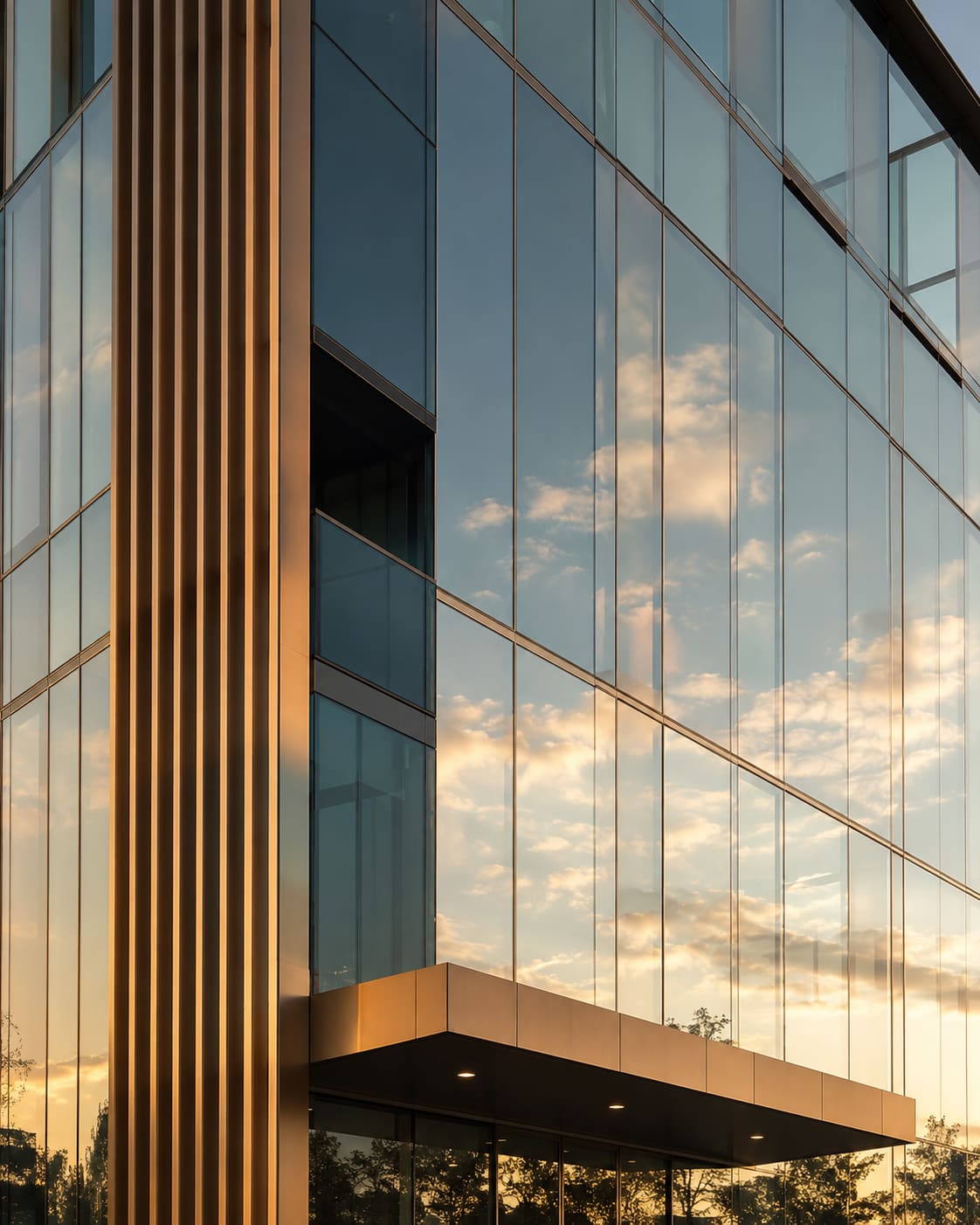
Reflective glass controls heat by mirroring a large share of incoming solar radiation at the outer surface, using a metallic or metal-oxide coating applied during float production or by sputtering. It stops sunlight before it enters the room, which is why it is so effective against harsh, direct glare on east and west elevations.
Low-E glass works differently. Its coating is spectrally selective: it lets most of the visible light pass while reflecting the invisible infrared (radiant) part of the spectrum that carries heat. It also has very low emissivity, meaning the glass itself re-radiates very little of the heat it absorbs back into the room. The result is a pane that stays cooler and insulates better in both directions.
- Reflective glass: blocks solar heat at the surface, strong against direct sun and glare, but conducts absorbed heat readily (higher U-value)
- Low-E glass: blocks radiant infrared and improves insulation, cutting both incoming solar heat and conductive heat gain
- Reflective coatings are visible and mirror-like; Low-E coatings are almost transparent and colour-neutral
The practical difference in Hyderabad: reflective glass feels cooler at 2 PM under direct sun, but a west-facing reflective wall still radiates stored heat into the office well after sunset. A Low-E unit keeps that heat out around the clock, which is what shows up on the monthly electricity bill.
Reflective vs Low-E: Key Performance Metrics Compared
The two glasses are best compared using three standard metrics: SHGC (solar heat gain coefficient), U-value (insulation) and VLT (visible light transmission). A good facade balances all three rather than chasing one.
- SHGC: Low-E ranges roughly 0.25-0.50; reflective ranges roughly 0.25-0.45 (lower is better for heat control)
- U-value: Low-E double-glazed units reach 1.6-1.9 W/m2K; single reflective glass is 3.0-5.8 W/m2K (lower means better insulation)
- Visible Light Transmission: Low-E keeps 50-70% for bright, clear interiors; reflective is often 10-40%, giving darker, tinted views
- UV and infrared rejection: Low-E blocks up to 90% of harmful UV and IR, protecting furnishings, flooring and merchandise from fading
- Light-to-solar-gain ratio (LSG): Low-E scores above 1.7-2.0, meaning far more daylight per unit of heat; most reflective glass sits below 1.2
The headline: reflective glass wins on peak glare rejection and privacy, but Low-E wins decisively on total 24-hour heat control, daylight quality and thermal comfort. If daylight and cooling savings both matter, Low-E is the stronger performer. For a data sheet review against your drawings, a facade consultancy check pays for itself.
What Do Reflective and Low-E Glass Cost in Hyderabad?
Reflective glass generally costs less than Low-E glass, but Low-E delivers greater long-term energy savings that offset its higher upfront price. Below are realistic installed ranges for the Hyderabad and Telangana market in 2026; exact figures depend on brand, thickness, coating grade and framing.
- Single reflective glass (5-6 mm toughened): approximately Rs 130-320 per sq ft supplied and installed
- Reflective DGU (double-glazed, reflective outer): approximately Rs 380-650 per sq ft
- Soft-coat Low-E DGU (clear or lightly tinted): approximately Rs 550-950 per sq ft
- High-performance solar-control Low-E DGU: approximately Rs 750-1,100 per sq ft
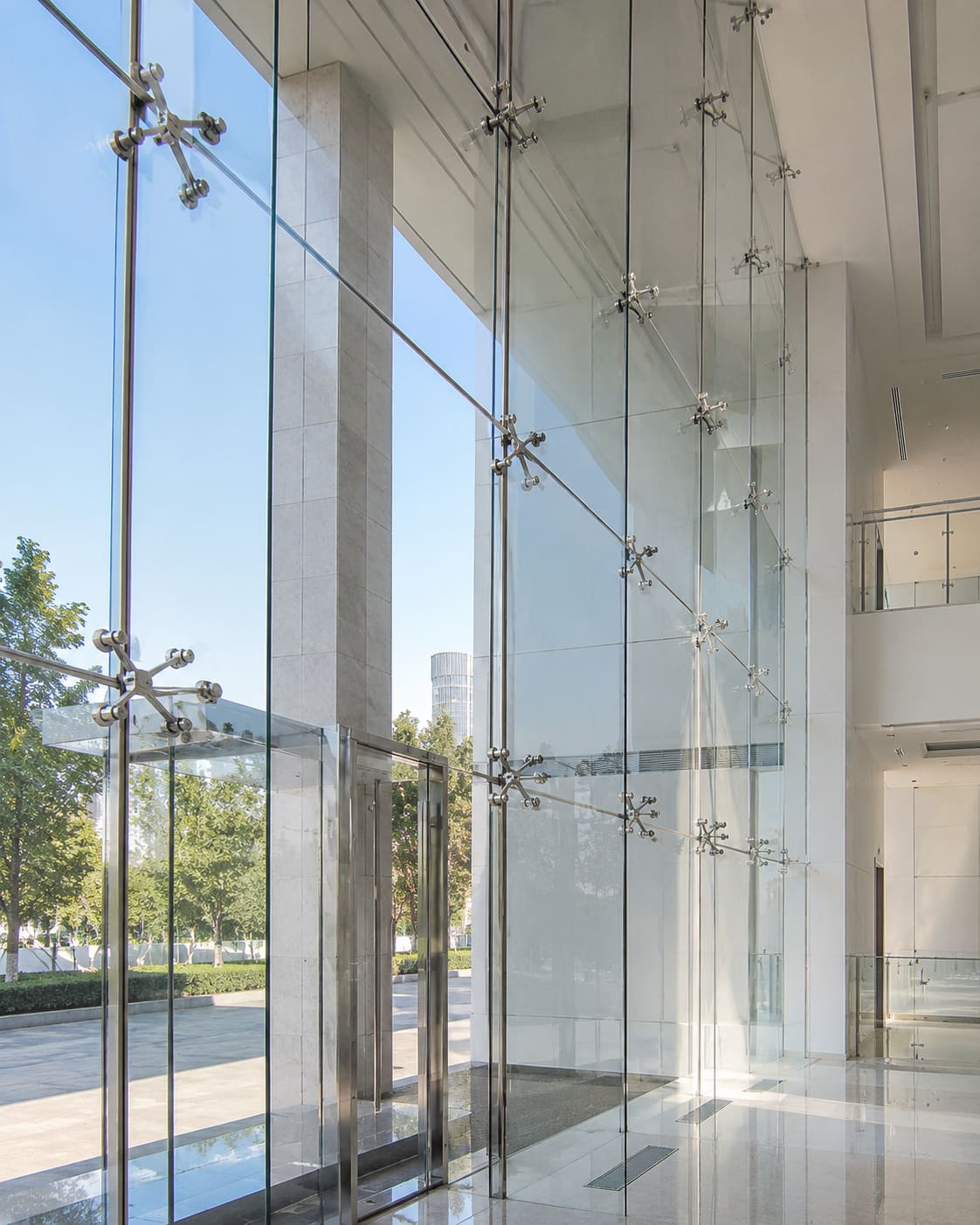
- Structural or spider glazing systems add framing, sealant and engineering cost on top of the glass
A Low-E DGU typically cuts cooling load by 20-40% versus single reflective glass, so on an air-conditioned office in Hitec City or the Financial District the premium is usually recovered in three to six years through lower running costs. For a line-item quote tied to your elevation area and orientation, get a free quote and we will price both options side by side.
Lifespan, Coating Durability and Maintenance
Both coatings last the life of the glass when they are protected correctly, but the two coating families have different rules about where they can sit.
- Soft-coat (sputtered) Low-E is the highest-performing type but must sit on surface 2 or 3 inside a sealed insulated unit, protected from air and moisture
- Hard-coat (pyrolytic) Low-E is more robust and can be used in single glazing, though its performance is slightly lower
- Reflective coatings come in both online (hard, durable, can face weather) and offline (softer, usually laminated or in a DGU) versions
- Well-sealed units last 25 years or more; failure usually starts at the edge seal, not the coating itself
- Maintenance for both is minimal: clean with plain water and a soft, non-abrasive cloth, avoid ammonia and abrasive pads on exposed coatings
Hyderabad's heavy pre-monsoon dust and hard water can leave mineral spotting on glass, so budget for periodic professional cleaning on tall elevations. Choosing a factory-sealed DGU over a soft coating exposed to the weather is the single biggest durability decision, and it is worth reviewing before you finalise a glass facade work package.
Standards and Code Compliance in India
Energy-efficient glazing in India is governed by the Energy Conservation Building Code (ECBC) and the National Building Code of India (NBC) 2016, which set facade performance and safety requirements that most commercial buildings in Telangana must meet.
- ECBC prescribes maximum SHGC (commonly 0.25-0.27 for hot climates) and U-value limits, which strongly favour Low-E and solar-control coated glass
- IS 2553 governs toughened (tempered) safety glass used for both reflective and Low-E facade panels
- IS 875 Part 3 specifies wind-load design for facade and curtain-wall glazing, important for tall towers in Kokapet and Gachibowli
- ASTM C1401 is the standard guide for structural sealant (silicone) glazing systems
- BEE star ratings and green-building programs (IGBC, GRIHA) reward low-SHGC, low-U-value assemblies typical of Low-E DGUs
For any four-side-supported or bolted facade, the glass spec must be signed off alongside the framing design. Pairing the right coating with a properly engineered structural glazing system is what keeps a building both code-compliant and comfortable.
Which Glass Suits Hyderabad's Climate Best?
For Hyderabad and Secunderabad, a solar-control Low-E double-glazed unit is the best choice for cutting cooling costs, while single reflective glass suits budget projects that prioritise glare control and privacy over energy savings.
- Hyderabad has a hot semi-arid to composite climate with summer highs above 40 C from March to June, so cooling is the dominant energy demand
- Low-E insulated units minimise annual air-conditioning load while keeping interiors bright, which matters for daylight-hungry offices in Madhapur and Kondapur
- Reflective glass stays popular for large commercial elevations where a mirrored look, strong daytime glare rejection and street-level privacy are the main goals
- The monsoon and pre-monsoon dust favour a sealed DGU, since exposed soft coatings are harder to keep clean on exposed facades
- Solar-control Low-E (a reflective outer layer plus a low-emissivity coating) gives you both glare rejection and insulation in one unit, the sweet spot for west-facing glass in Telangana
In short: pick Low-E for offices, IT parks and homes where comfort and running cost dominate; pick reflective where budget and a bold mirrored elevation lead. Many buildings mix both across different orientations.
Choosing by Building Type: Offices, Showrooms and Homes
The best glass depends as much on the room behind it as on the climate. Matching the coating to the use case avoids paying for performance you do not need, or under-specifying and living with heat and glare.
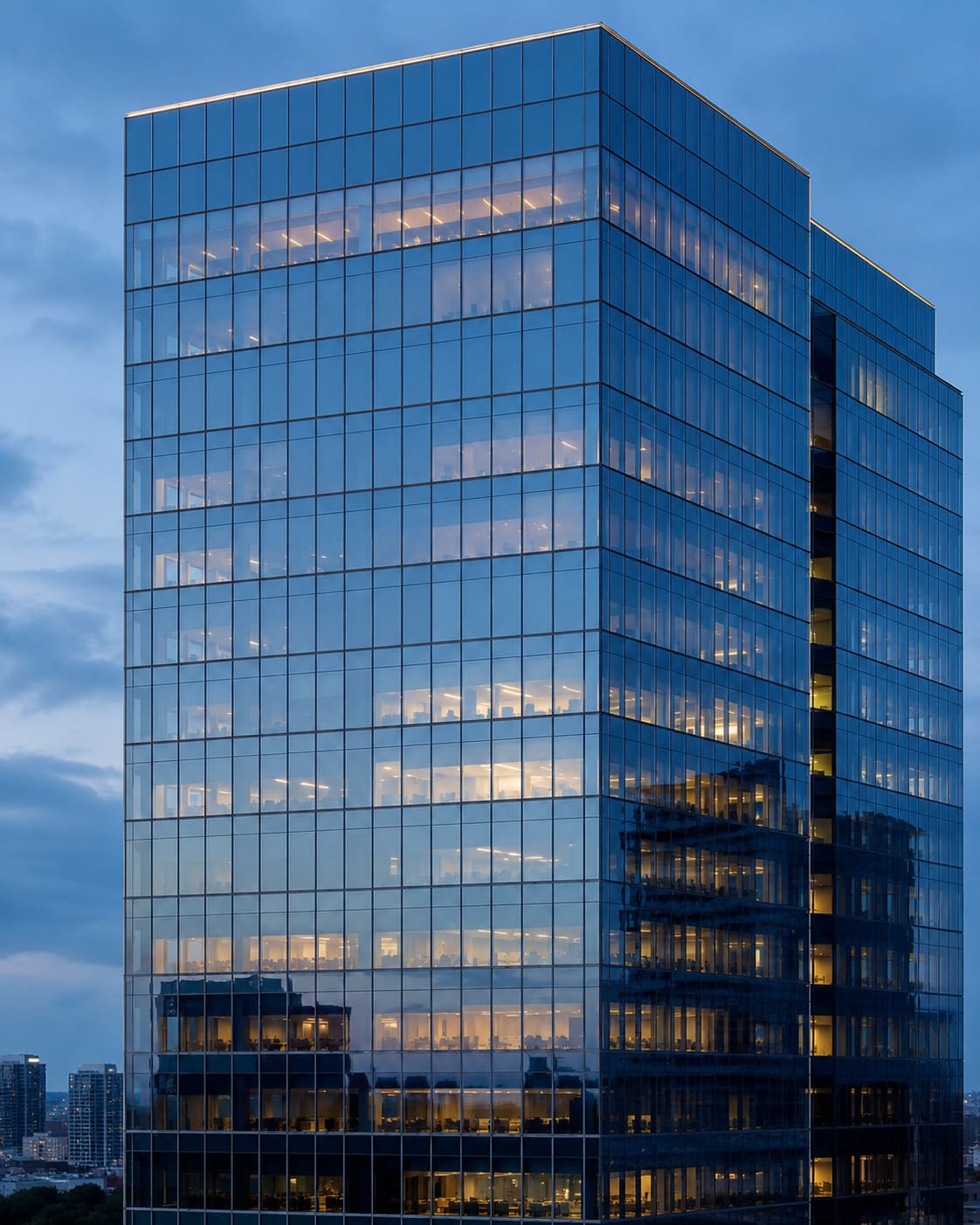
- Corporate offices and IT parks: solar-control Low-E DGU for low cooling load, good daylight and glare comfort at desks, ideal behind an office front glazing or curtain-wall elevation
- Retail showrooms and shopfronts: high-VLT Low-E so products and interiors stay bright and true-coloured, using showroom glazing with slim framing
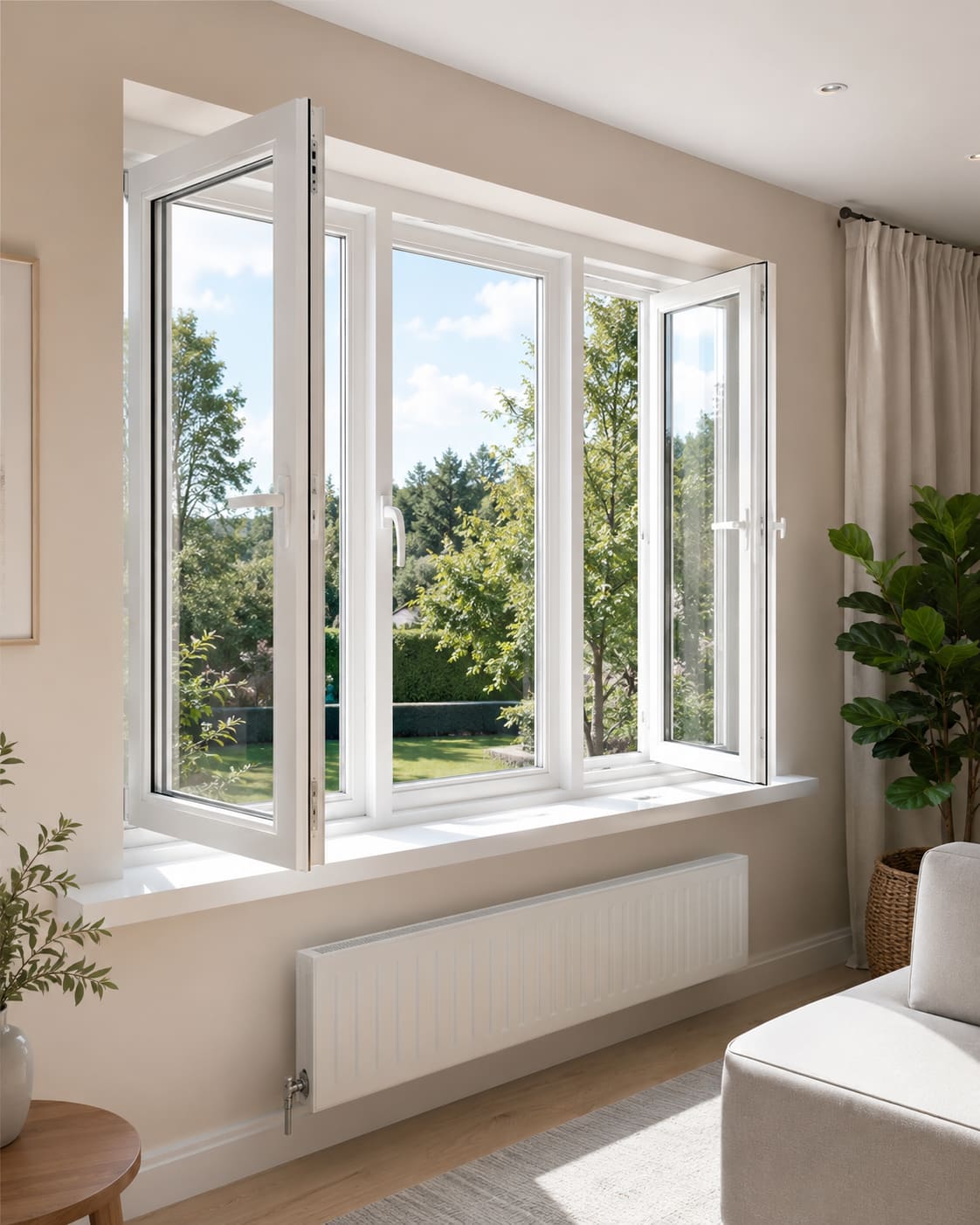
- Homes and villas in Kokapet or Tellapur: Low-E in windows and balconies to cut afternoon heat while keeping views clear, ideal with aluminium doors and windows
- Budget commercial fronts and boundary elevations: single reflective glass where privacy and a mirrored look outrank energy savings
- Mixed-orientation towers: reflective on hot west faces, high-VLT Low-E on shaded north faces to balance cost and daylight
You can see how these choices look on completed buildings in our projects gallery, which covers reflective and Low-E facades across Hyderabad.
Common Mistakes When Specifying Facade Glass
Most facade regret in Hyderabad comes from a handful of avoidable errors made at the specification stage, long before installation.
- Choosing glass on colour alone: a dark reflective tint looks premium but can trap heat and darken interiors more than expected
- Ignoring orientation: the same building often needs different glass on its east, west and north faces, not one spec everywhere
- Using single glazing on air-conditioned space: a single reflective pane still conducts heat all day, undoing much of its solar benefit
- Forgetting VLT: over-tinted glass forces lights on during the day, adding electricity cost that cancels the cooling saving
- Skipping the edge seal and spacer quality on DGUs: cheap seals fog up within a few monsoons and ruin the unit
- Not verifying toughening and wind-load design on tall facades, which is both a safety and an insurance issue
A short review of your drawings against ECBC targets catches almost all of these. If you are comparing quotes, ask each vendor for the SHGC, U-value and VLT of the exact glass, not just the brand name. For deeper reading, see our related guide on choosing between toughened and laminated glass for facades and railings.