For most Hyderabad homes, casement windows are the better pick for ventilation and monsoon sealing, while sliding windows win where outdoor space is tight, the opening is very wide, or you want a lower-maintenance, no-swing option. In short: put casement on bedrooms and rain-facing walls, and sliding on balconies, corridors and compact flats. Get both wrong and you invite poor airflow, dusty tracks, water seepage and higher AC bills.
Choosing between sliding vs casement windows is one of the most common decisions homeowners face when planning a new build or renovation across Hyderabad, Secunderabad and the wider Telangana and Andhra Pradesh region. Both styles are genuinely good, but they behave very differently in our climate of 42 degree summers, gritty Deccan dust and heavy south-west monsoon rain from June to September.
At Hakimi Aluminium and Glass we fit both types every week across Gachibowli, Kokapet, Madhapur, Kondapur and the Financial District, so this guide cuts through the showroom marketing. Below we explain exactly how each window performs on ventilation, security, cleaning, sealing and cost, and give indicative 2026 INR rates so you can budget with confidence.
Sliding vs Casement Windows: What Is the Core Difference?
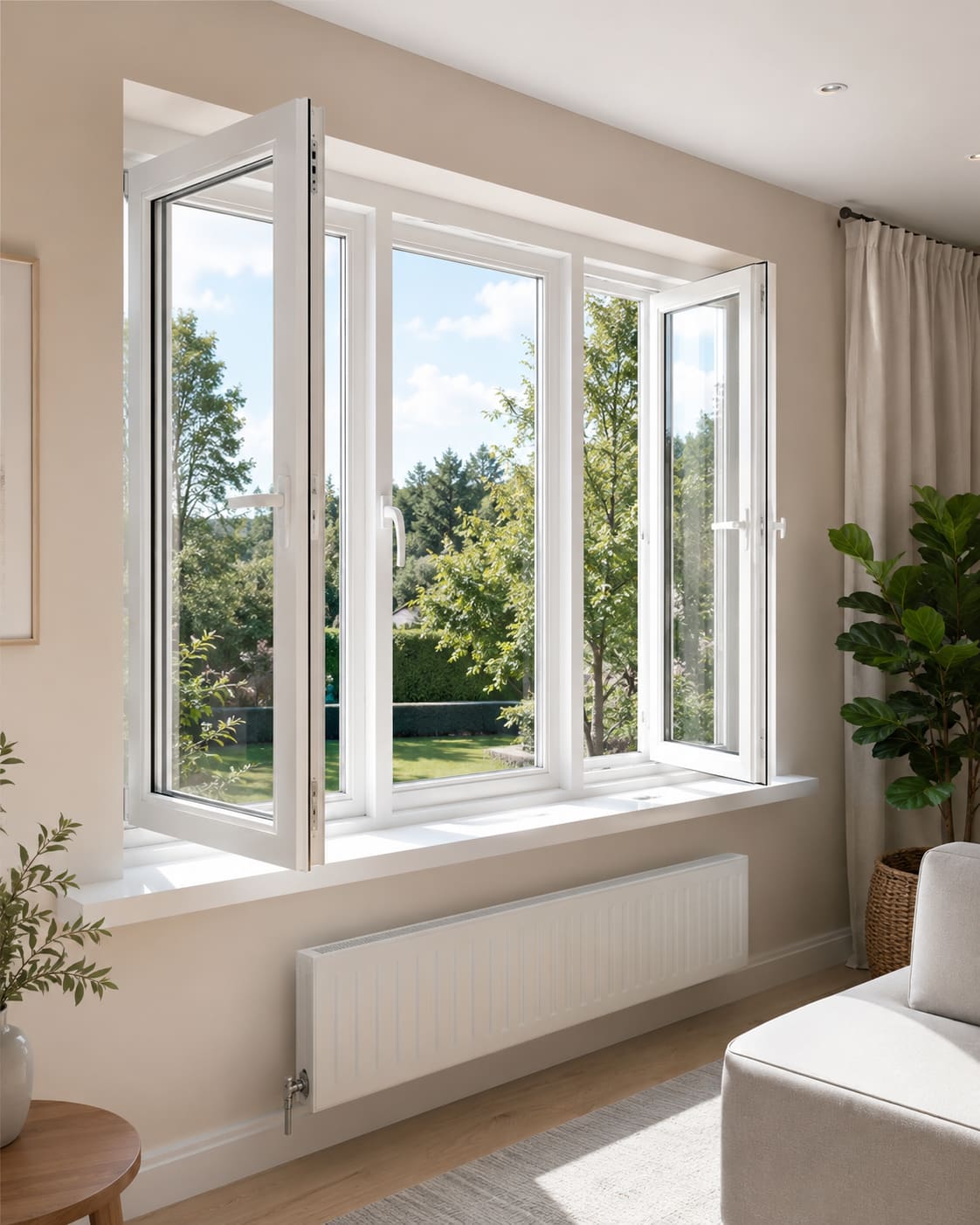
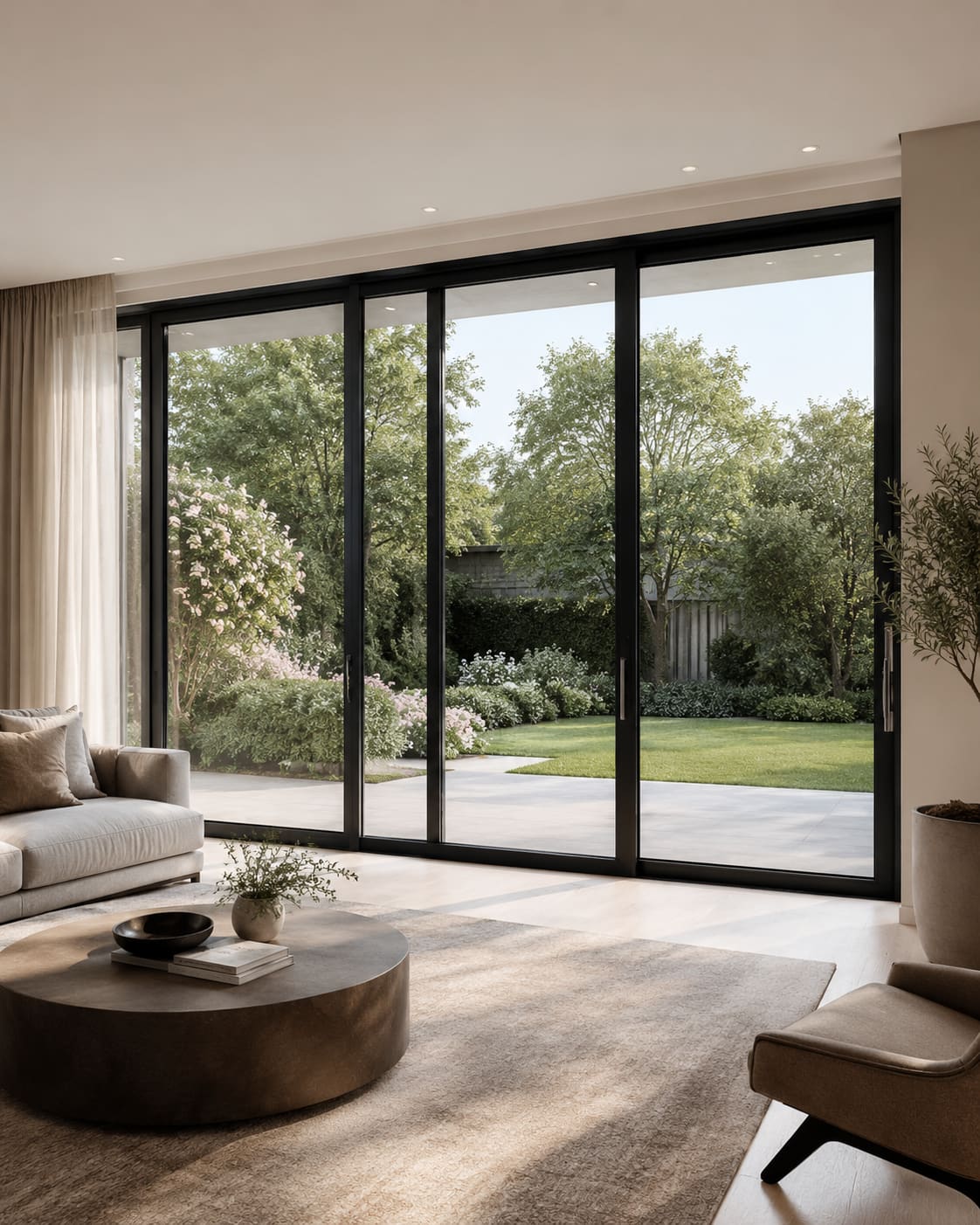
A sliding window has two or more panels, called shutters, that glide horizontally along a track. The sash moves sideways and never projects outside the wall. A casement window is hinged at the side and swings outward like a door, opening the full width of the frame.
That single mechanical difference drives everything else: how much air you get, how you clean the glass, how well it seals against rain, how secure it is, and how much it costs to fabricate and install.
- Sliding: opens up to roughly 50% of the aperture at once, sits flush, ideal where outdoor space is tight such as balconies, corridors and compact flats.
- Casement: opens up to 100% of the aperture, scoops passing cross-breezes, but needs clear space outside to swing without hitting a grille, sunshade or neighbouring wall.
Both can be built in aluminium or uPVC, both accept single or double glazing, and both are available in our aluminium doors and windows and uPVC doors and windows ranges. The frame material and hardware quality often matter more than the style itself, which is why cheap versions of either window disappoint.
Which Window Ventilates Better in Hyderabad's Heat?
For raw airflow, casement windows win clearly. Because the sash swings fully open and can be angled to catch and funnel a passing breeze into the room, they deliver noticeably better cross-ventilation. That matters enormously in Hyderabad's warm, sticky pre-monsoon months of April and May, when a well-placed casement can cut how often you reach for the AC remote.
Sliding windows, by design, can only ever open about half the aperture because one shutter slides behind the other. You still get good airflow through a wide sliding unit, but never the full-width gust a casement provides. If natural ventilation and lower electricity bills are your priority, casement is the smarter engineering choice.
- Place casement windows on opposite or adjacent walls to create a cross-draught that pulls hot air out and cool air in.
- Use tilt and turn windows where you want casement-grade airflow plus a secure trickle-vent position for rainy days.
- On very wide openings, a large sliding unit or a slide and fold window can out-ventilate a small casement simply through sheer opening area.
Which Seals Better Against the Monsoon and Dust?
For weather sealing, casement again has the edge. Its sash presses onto a continuous EPDM gasket around the entire frame, closing like a cork in a bottle. That compression seal resists the horizontal, wind-driven rain and fine grit our June to September monsoon throws at south-west facing walls, and it keeps Deccan dust out during the dry, blustery months too.
Sliding windows seal along brush or fin gaskets that run down the meeting rails and tracks. On a quality profile with interlock sections and twin weather brushes, this is genuinely very good. On cheap, thin sections, though, the track can collect fine dust, and in a heavy downpour water can pool in the bottom channel if the drainage weep holes are undersized or blocked.
- Choose casement for bedrooms, high floors and rain-facing (typically south-west) elevations in areas like Kokapet and Narsingi where towers catch the full monsoon wind.
- Choose sliding where the opening is wide, space is limited, or a full outward swing would foul a grille, sunshade or balcony railing.
- Whichever you pick, insist on proper drainage weep holes and quality gaskets; ask to see them during measurement. Our fabrication notes and finished projects show the profile detailing we use for monsoon-prone facades.
For upper-floor apartments and commercial towers where sealing is critical, consider thermal break windows which pair the compression seal with an insulated frame to cut heat gain and condensation.
Cleaning and Everyday Use: Which Is More Practical?
Sliding windows are the easier daily companion in many respects. They never bang shut in a sudden gust, they need zero swing space, and on ground and first floors the outer face is often reachable from inside or from the balcony. Children and elderly family members find them intuitive and safe because nothing swings out to knock into.
The catch comes on higher floors. Cleaning the outer glass of a sliding unit on the fifth floor of a Madhapur or Hitec City apartment can be awkward and sometimes unsafe, because you cannot easily reach the outside face. Casement windows solve this neatly: they swing right out, so you can wipe both faces of the glass while standing comfortably indoors. Above the second floor, that is a real, recurring convenience.
- Sliding: no swing, no slamming, great for kitchens over a counter and for homes with young children.
- Casement: both glass faces cleanable from inside, ideal for high-rise flats in Financial District and Gachibowli towers.
- For very large glazed spans, pair fixed picture glass with a small openable casement or sliding vent to balance view, cleaning and airflow.
Which Window Is More Secure?
On security, modern casement units generally have the advantage. A good casement uses multi-point locking, where a single handle throws bolts into the frame at several points along the sash, making it much harder to lever open. The outward-opening sash also has no accessible track to lift the shutter off.
Basic sliding windows historically relied on a simple two-point crescent latch, which a determined intruder can jemmy. The good news is that quality sliding systems have caught up: they now offer multi-point locks, anti-lift blocks and interlocking meeting rails that resist forcing. So the real security question is less about style and more about hardware grade.
- For ground-floor and boundary-facing windows, specify multi-point locking regardless of style, and consider laminated or toughened glass for break resistance.
- Add aluminium safety grills where you want an extra physical barrier without spoiling the view.
- In commercial or high-risk settings, step up to dedicated security glazing with laminated glass and reinforced frames.
Whatever the style, ask us to fit branded German or reputed Indian hardware; the lock and hinge quality is what actually keeps a home safe, not the marketing sticker.
How Much Do Sliding and Casement Windows Cost in Hyderabad?
Pricing depends on frame material, glass thickness, hardware brand and finish, but as indicative 2026 rates in the Hyderabad market you can budget along these lines:
- Aluminium sliding windows: roughly Rs 450 to Rs 800 per sq ft for standard profiles, and Rs 800 to Rs 1,200 per sq ft for premium slim or thermally broken sections.
- uPVC sliding windows: roughly Rs 550 to Rs 900 per sq ft depending on the system and reinforcement.
- Aluminium casement windows: roughly Rs 550 to Rs 1,000 per sq ft, as hinges, friction stays and multi-point locks add cost.
- uPVC casement windows: roughly Rs 700 to Rs 1,100 per sq ft with quality German-system hardware and steel-reinforced profiles.
As a rule of thumb, casement runs 10 to 20 percent more than a comparable sliding unit because of the extra ironmongery. That premium can pay back over time through lower cooling costs and better rain protection, especially on exposed elevations. Double glazing, laminated glass, mesh shutters and premium finishes each add to the base rate, so always compare like for like when you collect quotes. When you are ready, you can get a free on-site quote and we will measure every opening across Hyderabad, Secunderabad and Telangana before pricing.
Aluminium or uPVC: Which Frame for Which Style?
The sliding-versus-casement decision sits alongside a second choice: aluminium or uPVC. Aluminium gives you slimmer sightlines, more glass, higher strength for large spans and a modern look that suits the glass-forward architecture common in Kondapur and the Financial District. uPVC offers slightly better thermal insulation and sound damping out of the box and is naturally corrosion-proof, which some buyers prefer in humid, coastal-influenced pockets of Andhra Pradesh.
- Large sliding spans and floor-to-ceiling glazing: aluminium usually wins on strength and slim frames, via our aluminium sliding windows.
- Bedrooms and study rooms wanting quiet and insulation: uPVC casement is a strong pick, using uPVC casement windows.
- Coastal or very humid sites: uPVC resists corrosion with zero repainting.
- Premium apartments wanting the best of both: thermally broken aluminium casement combines slim frames with insulation.
There is no single winner. The best homes we deliver mix materials and styles opening by opening, and that room-by-room thinking is exactly what a good fabricator should offer instead of a one-size-fits-all pitch.
How to Decide Room by Room
Rather than picking one style for the whole house, walk through each opening and ask three questions: How big is the opening? Which way does it face? Is there space to swing outward? Your answers will point clearly to sliding or casement almost every time.
- Master and children's bedrooms: casement for airflow, sealing and security, unless the window faces a narrow shaft.
- Living room with a wide balcony opening: large sliding or a slide-and-fold for uninterrupted view and easy access.
- Kitchen over a counter: sliding, so nothing swings across the worktop or gets greasy hinges.
- High-floor windows above the second floor: casement, for safe two-sided cleaning from inside.
- South-west, rain-lashed elevations: casement, for the plug-tight compression seal.
- Corridors, staircases and utility areas next to walls or grilles: sliding, where an outward swing would foul something.
If you are weighing frame material too, our guide comparing aluminium and uPVC windows pairs well with this article. When you have a rough plan, send it over and we will refine it on site.